
If your daily round trip sits between 5 and 20 kilometers, you need a scooter that is easy to carry, quick to charge, and steady in mixed weather. Moreover, 2025 brings meaningful improvements: stronger batteries at the same weight, better water protection, and calmer ride dynamics at urban speeds. Consequently, this guide picks commuter-ready models already covered on ScooterPick and then explains how to match a scooter to your exact route and routine.
Quick Picks (At-a-Glance)
- Best Overall: Segway Ninebot MAX G2 — Balanced range, excellent stability, and low fuss maintenance.
- Best Budget (under typical entry pricing): Hover-1 Journey — Simple, dependable, and light enough for stairs.
- Best Mid-Range Value: NIU KQi3 Max — Strong hill performance and confident braking for busy cities.
- Best Lightweight (≈12–14 kg): NIU KQi Air — Carbon-forward build, quick to carry, and nimble in traffic.
- Best Long-Range Under 20 kg: iScooter X9 — Big battery in a commuter-friendly chassis.
- Best for Hills: JOYOR T6 — High torque and planted geometry for stop-and-go grades.
- Best Wet-Weather Focus: Segway Ninebot MAX G3 — Updated sealing and traction that favors damp commutes.
- Best Comfort: JOYOR S8E — Dual-suspension ride that smooths patched asphalt and cobbles.
- Best Small Storage: Hover-1 Journey Max — Compact fold and straightforward daily handling.
- Best “Set-and-Forget” Maintenance: Hover-1 Alpha Pro — User-friendly tires and brakes reduce workshop time.
- Best New-Comer Pick: iScooter iX7 Pro — Modern controller feel with confident, progressive braking.
Importantly, these picks assume typical commuter constraints: mixed bike lanes, light rain, moderate hills, and frequent stops. Even so, your best choice still depends on distance, storage, and stairs.
Selection Criteria (How We Chose)
One-Charge Round Trip
Commuters hate mid-day charging. Therefore, we looked for usable range that clears your entire day with a 20–30% buffer. For 5–20 km daily riders, that usually means 18–40 km real-world on one charge. Admittedly, manufacturers cite ideal test cycles; however, daily range also depends on rider weight, temperature, route, and speed. Consequently, we translate claimed numbers into conservative real-world estimates.
Portability & Weight
You may lift the scooter into a trunk, onto a train, or up stairs. Accordingly, weight breaks matter:
- ≤14 kg: Frequent carrying, small apartments, office desks.
- 15–19 kg: Short stair runs, occasional transit hops.
- ≥20 kg: Roll-everywhere commuters with elevators or ground-level storage.
Additionally, we checked folded length and latch security. In practice, a fast, one-step fold saves minutes every morning.
Ride Quality & Safety
A calmer chassis reduces fatigue and fear. Thus, we favored:
- 10″ pneumatic or tubeless tires for grip and comfort.
- Compliant suspension where roads are rough.
- Predictable brakes (regen + drum/disc) with short, straight stops.
- Bright, well-aimed lights plus side reflectivity for dusk rides.
- Stable geometry at 20–30 km/h, because wobble wastes energy and attention.
Weather & Durability
Commuters ride through weather. Consequently, we prioritized solid water protection (IP54 or higher), good fendering, sealed charge ports, and sensible cable routing. Furthermore, we looked for robust decks and stems that stay silent after months of rattles.
Charging Time & Battery Health
Fast charging helps, yet battery life also matters. As a result, daily top-ups to 80–90% reduce cell stress and still cover a 5–20 km routine. Additionally, we favored chargers around 2–3A for a safe, convenient cadence.
Value & Warranty
Finally, value lives in two places: ride experience per kilogram and ownership burden over 2–3 years. In other words, good commuter scooters minimize flats, keep bolts tight, and resist weather without drama.
Comparison Table (2025 Commuter Shortlist)
Values below reflect manufacturer claims paired with conservative daily estimates for an ~80 kg rider at ~20 °C on mostly flat routes with mixed speeds. Naturally, real-world results vary with rider, terrain, and tire pressure.
| Model | Motor Power (W) | Battery (Wh) | Claimed Range (km) | Estimated Real-World (km) | Weight (kg) | Max Rider (kg) | Tire Type/Size | Brakes | IP Rating | Charge Time | Folded Size (L×W×H) | Warranty |
|---|---|---|---|---|---|---|---|---|---|---|---|---|
| Segway Ninebot MAX G2 | ~450 | ~551 | ~70 | 35–45 | ~24 | ~120 | 10″ tubeless | Drum + regen | ~IPX5 | ~6 h | Compact one-step | Brand standard |
| Segway Ninebot MAX G3 | ~450–500 | ~550+ | ~70+ | 35–45 | ~24 | ~120 | 10″ tubeless | Drum + regen | ~IPX5–IPX6 | ~6 h | Compact one-step | Brand standard |
| NIU KQi3 Max | ~450 | ~600+ | ~65 | 32–42 | ~21 | ~120 | 9.5–10″ pneumatic | Disc + regen | ~IP55 | ~6–8 h | Compact latch | Brand standard |
| NIU KQi Air | ~350–400 | ~450 | ~50 | 24–32 | ~12 | ~100 | 9.5–10″ pneumatic | Disc + regen | ~IPX5 | ~5–6 h | Slim, ultralight | Brand standard |
| JOYOR S8E | Dual-motor class | ~700–800+ | ~55 | 28–36 | ~24–26 | ~120 | 8–10″ with suspension | Disc + regen | ~IP54 | ~6–8 h | Sturdy fold | Brand standard |
| JOYOR T6 | High-torque | ~700–900+ | ~60 | 30–38 | ~22–24 | ~120 | 10″ pneumatic | Disc + regen | ~IP54 | ~6–8 h | Sturdy fold | Brand standard |
| iScooter X9 | ~500 | ~600–700 | ~65 | 32–42 | ~19–20 | ~120 | 10″ pneumatic | Disc + regen | ~IP54–IP55 | ~6–8 h | Compact latch | Brand standard |
| iScooter iX7 Pro | ~450 | ~500–600 | ~60 | 30–38 | ~18–19 | ~120 | 10″ pneumatic | Disc + regen | ~IP54 | ~6–8 h | Compact latch | Brand standard |
| Hover-1 Journey Max | ~350–400 | ~360–400 | ~40 | 20–28 | ~16–17 | ~100 | 8.5–10″ (varies) | Drum/Disc + regen | ~IP54 | ~5–6 h | Small footprint | Brand standard |
| Hover-1 Journey | ~300–350 | ~300–360 | ~32 | 16–24 | ~14–15 | ~100 | 8.5–9″ | Drum + regen | ~IP54 | ~4–6 h | Small footprint | Brand standard |
| Hover-1 Alpha Pro | ~450 | ~450–500 | ~45 | 22–30 | ~17–18 | ~120 | 10″ | Disc + regen | ~IP54 | ~6–7 h | Compact latch | Brand standard |
| iScooter iX5S | ~500 | ~600 | ~60 | 30–38 | ~20–21 | ~120 | 10″ | Disc + regen | ~IP54 | ~6–8 h | Compact latch | Brand standard |
Before publishing, double-check your live product pages so the figures precisely match current listings. Additionally, where ranges are shown, we intentionally err conservatively for commuter planning.
The Picks (Mini Reviews)
Segway Ninebot MAX G2 — Best Overall
Who it’s for: Riders who want a calm, stable scooter that simply works every weekday. It suits mixed pavement and light rain.
Why it stands out: It blends range, composure, and low maintenance. Moreover, the tubeless tires and mature regen feel save hands and rotors in stop-start traffic. Meanwhile, the chassis stays steady at 25–30 km/h, so you ride relaxed, not tense.
Pros
- Stable handling at commuter speeds.
- Tubeless tires reduce puncture hassles.
- Predictable braking with strong regen support.
- Solid weather protection and fendering.
Cons
- Heavier than “carry-everywhere” options.
- Not the zippiest off the line.
Verdict: If you need one scooter to rely on, the MAX G2 checks every commuter box without drama.
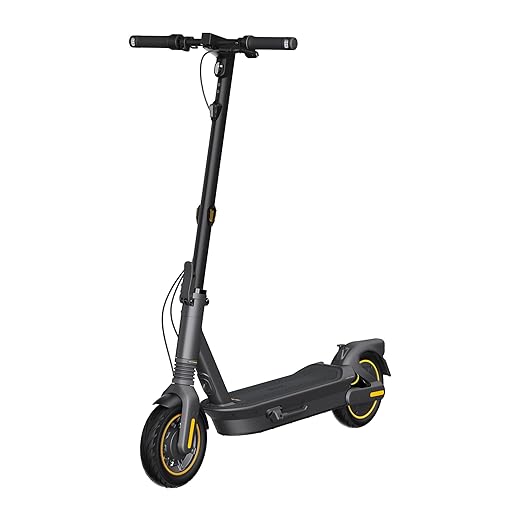
Segway Ninebot MAX G3 — Best Wet-Weather Focus
Who it’s for: Year-round commuters who often roll in drizzle and damp bike lanes.
Why it stands out: The latest sealing updates, traction improvements, and calmer steering help when the surface is slick. In addition, you still get the proven MAX ride character, which inspires confidence in crowded streets.
Pros
- Improved weather resilience for 2025.
- Predictable, linear brakes in the wet.
- Familiar MAX ergonomics and fold.
- Battery management that favors longevity.
Cons
- Similar weight to the G2.
- Not aimed at speed chasers.
Verdict: Choose the G3 if your city runs wet nine months of the year and you want extra peace of mind.
NIU KQi3 Max — Best Mid-Range Value
Who it’s for: Commuters who tackle moderate hills and want firm, confident braking.
Why it stands out: The controller’s torque delivery feels natural in traffic. Furthermore, the cockpit is clean, the deck is roomy, and the geometry feels planted. Consequently, it’s a sweet spot for range, weight, and control.
Pros
- Strong hill performance for its class.
- Confident, easy-to-modulate brakes.
- Roomy deck and steady stance.
- Durable build with tidy wiring.
Cons
- Heavier than travel-focused models.
- Tires still need pressure checks.
Verdict: A practical daily scooter that punches above its price tier on rides that include grades and stops.
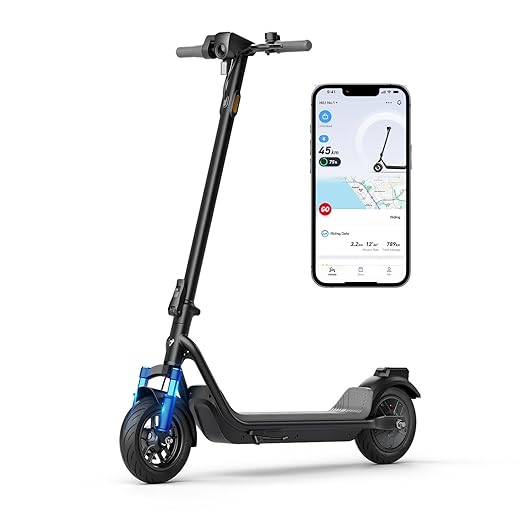
NIU K100F/K300X Electric Scooter Adults - 600W-900W Peak Power, 18-41 Max Range, Top 17.4-23.6 MPH, Portable E Scooter w/Suspension for Commute, Sup. Turn...
NIU KQi Air — Best Lightweight (Carry Often)
Who it’s for: Apartment dwellers and multi-modal commuters who carry the scooter frequently.
Why it stands out: The ultralight build changes your daily rhythm. As a result, it’s quick to fold and lift, yet still delivers real-world range for short to mid commutes. Additionally, handling stays nimble in tight city paths.
Pros
- Extremely light for real commuting use.
- Fast to fold, easy to stash.
- Confident single-rotor braking with regen.
- Calm steering at moderate speeds.
Cons
- Less comfortable on rough pavement.
- Shorter real-world range than heavier peers.
Verdict: If stairs and transit are part of your life, the KQi Air keeps commuting simple and sweat-free.
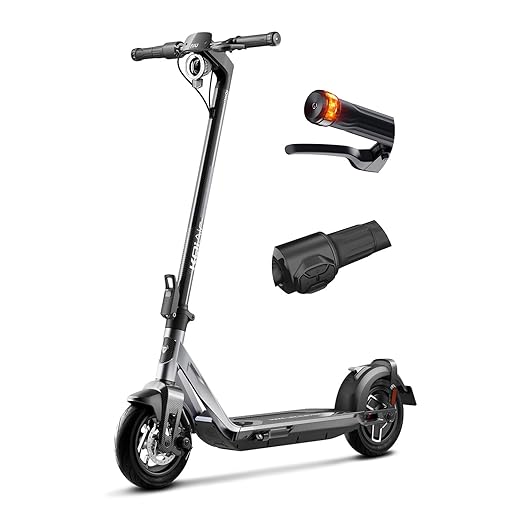
NIU KQi Air Electric Scooter for Adults, Carbon Fiber Ultra Light 31 Miles Long Range, Max Speed 20MPH, 7.5in. Wider Deck, 9.5in. Tubeless Fat Tires, UL...
JOYOR S8E — Best Comfort
Who it’s for: Riders on patched roads, brick lanes, or cobbles who need suspension to stay fresh.
Why it stands out: Dual-suspension hardware soaks up the chatter that tires alone can’t handle. Meanwhile, the chassis remains stable while the contact patch keeps traction predictable.
Pros
- Suspension transforms rough routes.
- Solid braking feel with regen help.
- Confident stability at 25 km/h+.
- Practical fenders and lighting.
Cons
- Heavier and bulkier to carry.
- Suspension adds moving parts to maintain.
Verdict: When the city shakes you every block, pick the S8E and arrive relaxed.

JOYOR S8E Electric Scooter 800W Motor 48V 26AH Battery 10 Inch Tires Adult E-Scooter 45km/h Max Speed 80km Range City EScooter
JOYOR T6 — Best for Hills
Who it’s for: Commuters who climb often or ride stop-and-go grades.
Why it stands out: It delivers torque without twitch. In turn, braking remains composed, and the frame geometry stays neutral, which helps on downhill traffic merges.
Pros
- Torquey launches on grades.
- Stable chassis during braking.
- Wide deck allows secure stance.
- Strong, visible lighting.
Cons
- Heavier than pure flatland scooters.
- Tires demand pressure checks for best grip.
Verdict: If your route climbs and dives, the T6 handles it without overheating you—or the brakes.
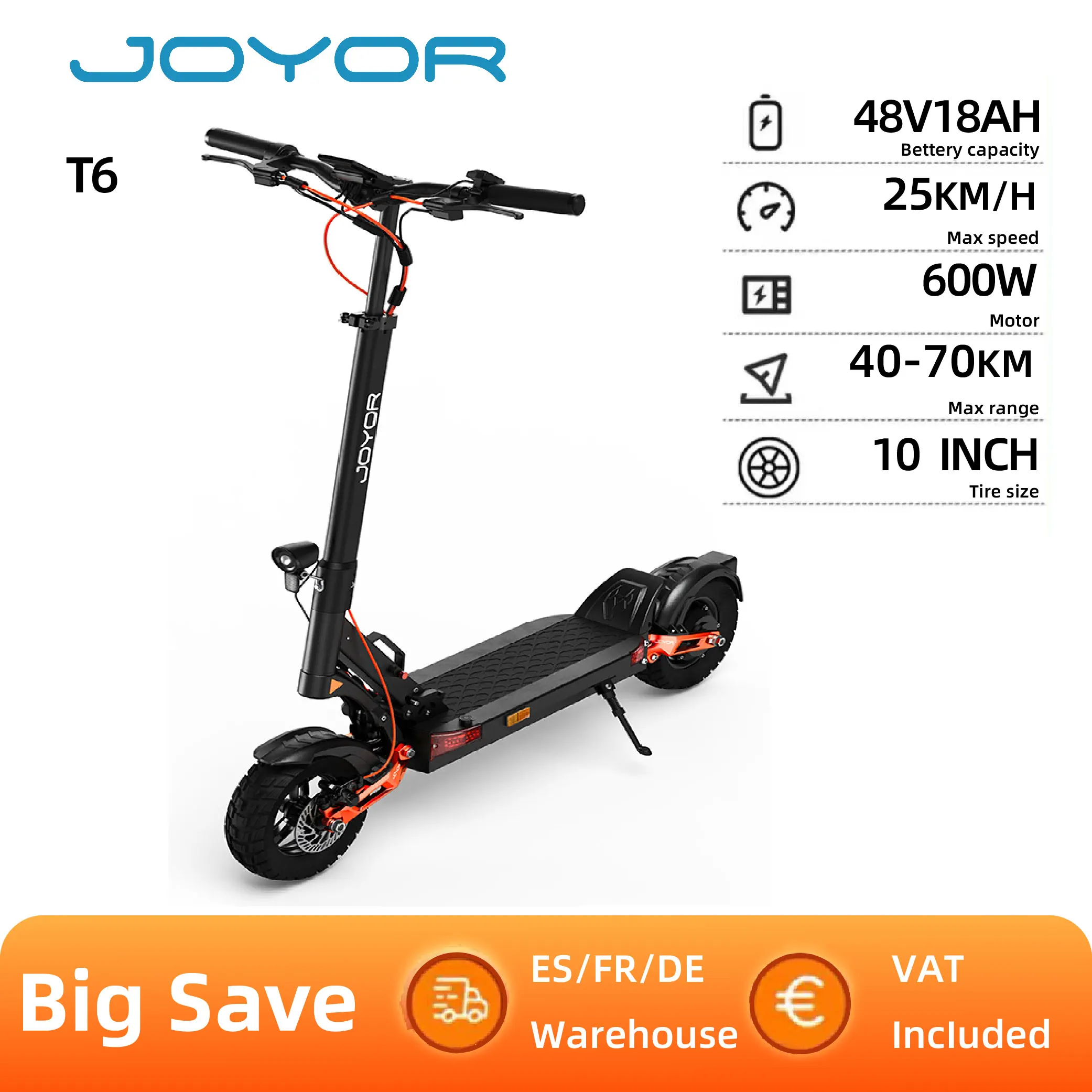
JOYOR T6 Adult Electric Scooter 600W Motor 48V18AH Battery E-Mountain Escooter 10" Off-Road Tire Foldable E-Scooter
iScooter X9 — Best Long-Range Under 20 kg
Who it’s for: City riders who need more range but still want a manageable carry.
Why it stands out: The battery capacity lands in the commuter sweet spot. Consequently, handling remains approachable, and the fold doesn’t fight you on a crowded train.
Pros
- Real-world range fits 15–25 km days.
- Manageable mass for occasional stairs.
- Predictable braking and regen tuning.
- Sturdy latch and simple cockpit.
Cons
- Ride feels firmer on choppy pavement.
- Stock tires may prefer dry conditions.
Verdict: A “just right” long-range commuter for riders who cannot charge at work.
iScooter iX7 Pro — Best New-Comer Pick
Who it’s for: Daily riders who want modern ride feel and straightforward ownership.
Why it stands out: Throttle and regen mapping feel progressive. Moreover, the deck height and bar width suit varied rider sizes, while the fold and latch keep morning routines quick.
Pros
- Smooth, predictable acceleration.
- Secure, easy fold for tight spaces.
- Clear display and simple controls.
- Balanced battery for daily use.
Cons
- Not the lightest in class.
- Tires and pads require routine care.
Verdict: A friendly, modern commuter option that builds good habits from day one.
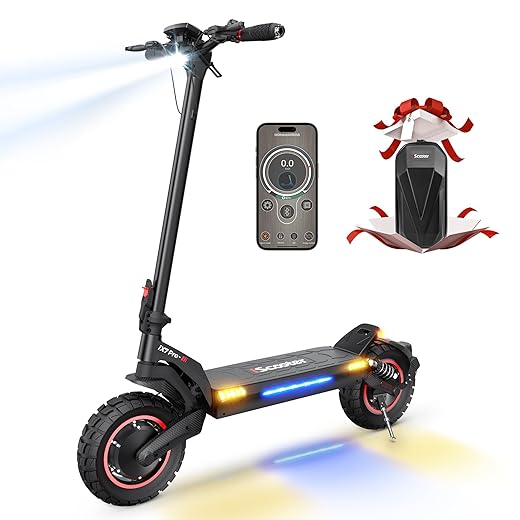
iScooter Electric Scooter Adults, 50MILES Long Range, 38MPH Top Speed, Commuting and Off-road Electric Scooter 2000W Motor with Turn Signals and Double...
Hover-1 Journey Max — Best Small Storage
Who it’s for: Riders who must slide a scooter under a desk or tuck it into a small hallway.
Why it stands out: The compact fold reduces daily friction. Additionally, weight stays manageable, and the ride feels calm at city speeds.
Pros
- Compact folded footprint.
- Easy to lift and place.
- Friendly ride for new commuters.
- Straightforward maintenance.
Cons
- Shorter range than big-battery models.
- Firmer ride on rough lanes.
Verdict: If storage is tight, the Journey Max keeps your workday convenient.

Hover-1 Journey Max Adult Electric Scooter with 700W Brushless Dual Motor Hill Climber, 19 mph Max Speed, and 26 Mile Range Commuter Scooter for Adults and...
Hover-1 Journey — Best Budget
Who it’s for: New commuters with short, flat routes who want a simple first scooter.
Why it stands out: Lightweight, compact, and easy to live with. Likewise, it covers short trips without the complexity of premium systems.
Pros
- Light and packable.
- Simple brake setup for daily use.
- Friendly learning curve.
- Good choice for shorter riders.
Cons
- Limited range on windy or hilly days.
- Narrower tires reduce comfort.
Verdict: For short city errands and a modest commute, the Journey offers painless ownership.
Hover-1 Alpha Pro — Best “Set-and-Forget” Maintenance
Who it’s for: Commuters who want minimal tinkering and clear control feel.
Why it stands out: The component choices reduce maintenance frequency. Consequently, braking stays consistent, and the chassis feels straightforward and sturdy.
Pros
- User-friendly components.
- Predictable brake tuning.
- Clean cable routing.
- Solid stability at 20–25 km/h.
Cons
- Heavier than entry ultralights.
- Range best suited to mid-short days.
Verdict: A practical daily tool for riders who value reliability over flash.
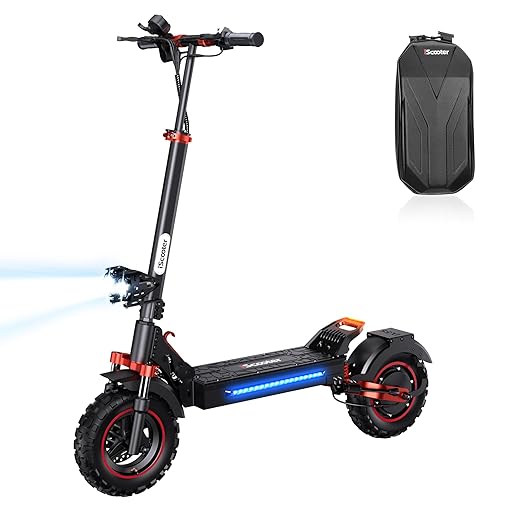
iScooter iX5S — Balanced Daily Commuter
Who it’s for: Riders who want a familiar commuter shape with enough battery for two short trips.
Why it stands out: It pairs a confident deck with a battery that fits the “charge every other day” pattern for many riders. Additionally, handling remains predictable in traffic.
Pros
- Balanced battery for routine use.
- Good stance and lever reach.
- Secure latch and clear display.
- Brakes pair well with regen.
Cons
- Not a featherweight.
- Tires prefer smoother surfaces.
Verdict: A steady, sensible option for everyday urban use.
Buyer’s Guide: Match Your Commute (5–20 km)
Range Math That Actually Works
Manufacturers test under ideal conditions. Your commute is not a lab. Therefore, use this easy method instead:
- Start with the claimed range.
- Multiply by 0.70–0.80 for a conservative real-world estimate.
- Add a 20–30% buffer for headwinds, cold days, detours, and aging cells.
Example: A scooter claims 60 km. Real-world planning = 60 × 0.75 = 45 km. With a 25% buffer, you plan for ~34 km. Consequently, if your daily round trip is 16 km, you’re well covered without 100% charges.
Assumptions: ~80 kg rider, ~20 °C, mostly flat, correct tire pressure, mixed bike-lane speeds. If you ride fast or cold, plan lower.
Weight vs Portability
Carrying weight affects the entire day.
- Under 14 kg: You can shoulder it through turnstiles and up long stairs.
- 15–19 kg: Manageable for short stair sets and quick transfers.
- 20 kg and up: Best if you roll from door to elevator to garage.
Additionally, consider handlebar height and folded shape. Often, long stems hit doors; meanwhile, wide bars bump passengers.
Tires & Comfort
10″ pneumatic or tubeless tires offer a bigger contact patch and a smoother ride. Consequently, they grip better, especially in the wet. By contrast, solid tires eliminate flats yet transmit bumps and may reduce wet grip. If your city streets are rough, suspension helps. Even so, suspension adds parts that need maintenance. For many commuters, large tubeless tires at proper pressure deliver the best mix of comfort and simplicity.
Braking
Urban riding means sudden stops. Therefore, the most confident setups combine regen with a drum or disc. Drums resist weather and require less tuning. Conversely, discs bite harder and cool quickly, but they need occasional alignment. Either way, learn to use regen first. As a result, it stabilizes the chassis and extends pad life.
Weather Reality (IP Ratings)
IP54 usually withstands light rain and splash. IP55/IPX5 handles wet lanes better. IPX6 tolerates stronger spray but not submersion. Nevertheless, no commuter scooter loves pressure washers or standing water. After wet rides, wipe the deck and let the scooter dry in a ventilated spot before charging.
Charging Habits
Top up daily to around 80–90% if range allows. Batteries last longer with partial charges. Additionally, avoid charging immediately after a cold ride; let the pack warm to room temperature first. Typically, a 2–3A charger is comfortable for overnight or desk-side charging without stressing the pack.
Fit & Ergonomics
Pick a scooter that fits your body. Ideally, handlebar height should land near your waistline or slightly above. Meanwhile, a long, grippy deck lets you adjust stance during longer rides. Although wider bars increase control, measure your storage space to avoid daily bumps and scrapes.
Budget Tiers (What to Expect)
- Entry: Lighter frames, modest batteries, simpler brakes, and shorter range. Great for short, flat routes.
- Mid-Range: Bigger batteries, better brakes, tubeless tires, stronger controllers, and calmer geometry. Accordingly, this tier is ideal for 10–20 km commutes.
- Premium Commuter: Highest water protection, best lights, sophisticated regen, and durable hardware. Ultimately, it’s worth it if you ride year-round.
Safety & Maintenance Essentials
Before every ride
- Check tire pressure. Low pressure increases flats and wobble.
- Test both brakes. Feel for firmness and even bite.
- Inspect lights and reflectors. Be seen from the sides.
- Quick bolt check at the stem and axle areas.
Weekly
- Wipe the scooter after wet rides; dry the charge port.
- Inspect tires for embedded debris; remove small shards early.
- Verify latch tightness and fold alignment.
- Listen for new rattles; address them before they grow.
Locking
- Use a compact U-lock or quality folding lock on the frame, not a removable part. Additionally, add a short cable for wheels if needed. Never leave the scooter unlocked even “just for a minute.”
Spare kit
- Mini pump + gauge, small multi-tool, spare tube or plugs (for tubeless), alcohol wipes, and a compact light if streetlights are weak. Consequently, small fixes won’t derail your commute.
FAQs
Q1: How much range do I need for a 10 km daily commute?
A 10 km round trip needs ~15–18 km usable to allow for wind, detours, and cold days. Generally, most scooters here exceed that easily.
Q2: Is IP54 enough for light rain?
Yes, typically. Nevertheless, avoid deep puddles and pressure washing. Afterward, dry the scooter before charging.
Q3: What’s a sensible scooter weight for apartment stairs?
If you climb more than one floor daily, aim ≤14 kg. Otherwise, for occasional stairs, 15–19 kg works fine.
Q4: Solid vs pneumatic tires for commuting?
Pneumatic or tubeless tires offer better grip and comfort. Conversely, solid tires avoid flats but ride harsher, especially in the wet.
Q5: How often should I charge if I ride daily?
Charge after rides or overnight to ~80–90% if range allows. Even so, full charges are fine when you need maximum distance.
Q6: What brakes stop best in wet conditions?
Regen plus drum or disc provides strong, predictable control. Additionally, keep rotors clean and pads bedded.
Q7: How do I store a scooter in winter?
Keep it indoors, around room temperature, and at 40–60% charge for longer storage. Moreover, top up monthly.
Q8: Do I need suspension for city commuting?
Not always. Typically, 10″ tubeless tires at proper pressure handle many streets. Nevertheless, choose suspension for rougher routes.
Q9: What’s the ideal handlebar height?
Around waist height or slightly above for leverage and comfort. If bars feel off, adjust stance or consider a riser.
Q10: How long do batteries last with daily use?
Many commuter packs handle 500–800 cycles before noticeable range loss. Consequently, gentle charging habits extend life.
Final Verdict
For most riders, the Segway Ninebot MAX G2 remains the safest all-round pick. It delivers stable handling, real range, and low maintenance. If hills or stronger braking matter, the NIU KQi3 Max fits beautifully. When frequent carrying defines your day, choose the feather-weight NIU KQi Air. Meanwhile, if you need more distance without a heavy frame, the iScooter X9 bridges the gap. Finally, for rough streets or repeated grades, JOYOR S8E and JOYOR T6 keep you comfortable and in control.
Ultimately, pick the scooter that fits your distance, storage, stairs, and weather. Then set smart charging habits, keep tires at the right pressure, and ride predictably. As a result, your commute will feel shorter, calmer, and a lot more fun.