- Home
- Scooters
- Electric Scooters
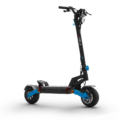
- Varla Eagle One V3.0
Varla Eagle One V3.0
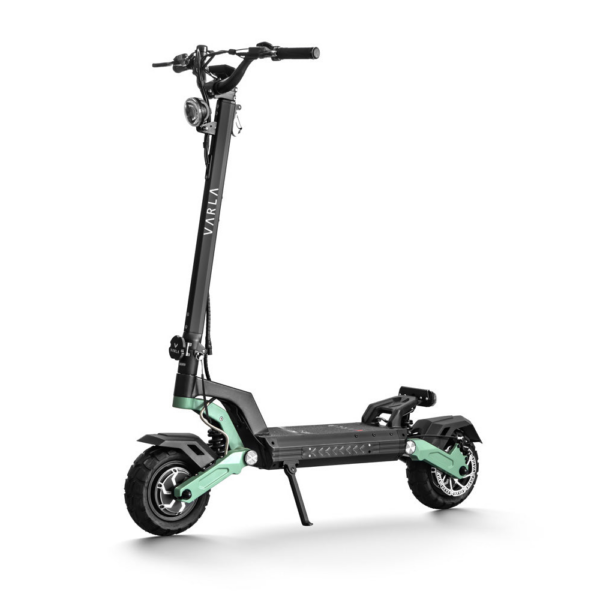
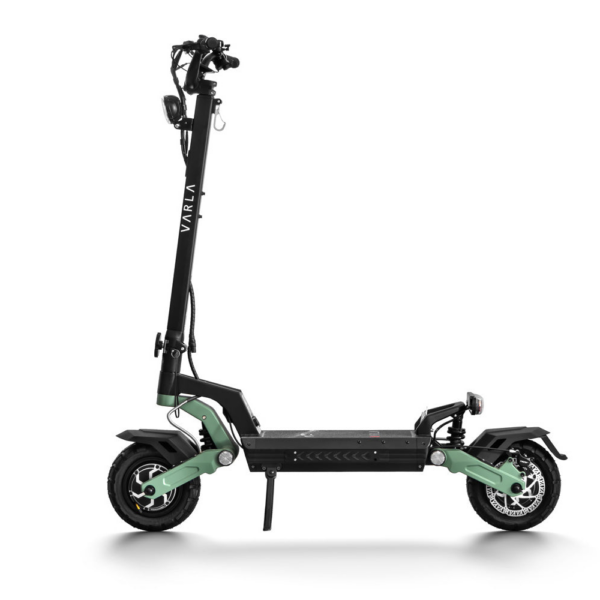
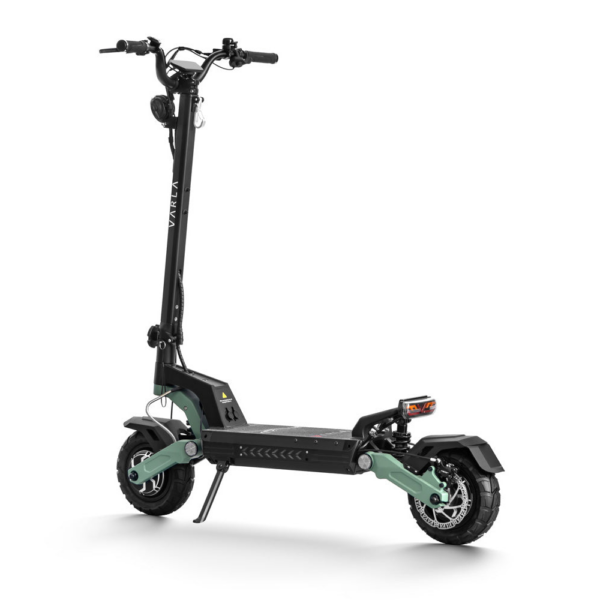
- Battery Range: 48 miles (77 km)
- Top Speed: 41 mph (66 km/h)
- Motor Power: 2 × 1200 W dual hub motors
- Weight Capacity: 330 lb (150 kg)
- Charging Time: Not specified
- Scooter Weight: 88 lb (39.9 kg)
PROS
- Upgraded dual 1200 W motors for stronger acceleration
- 60 V 20.8 Ah (1248 Wh) battery
- Up to 48 miles (77 km) claimed range
- 11×4 in air tubeless tires for off-road grip
- Dual hydraulic brakes and dual suspension
- NFC-style security and modern lighting package
CONS
- Very heavy 88 lb (39.9 kg) scooter
- Charge time not clearly specified by manufacturer
- No official smartphone app integration
- Large 11 in tires and deck need more storage space
Table of contents
- Varla Eagle One V3.0 Overview
- Where the Varla Eagle One V3.0 Shines
- Key Specifications
- Design & Build Quality
- Performance
- Battery, Range & Efficiency
- Ride Quality & Comfort
- Braking & Safety Features
- Portability & Daily Usability
- Varla Eagle One V3.0 vs Alternatives
- Who the Varla Eagle One V3.0 Is (and Isn’t) For
The Varla Eagle One V3.0 is a big step up from a typical city scooter. It brings real power, long range, and a stable ride that feels safe even when you pick up speed. So it suits riders who want a serious daily machine that can also handle weekend fun on rougher paths.
If you have looked at the original Varla Eagle One before, this V3.0 version will feel like the more grown-up, refined option. It keeps the spirit of the older model, yet it adds power, better lighting, and a more polished overall feel.
Varla Eagle One V3.0 Overview
The Varla Eagle One V3.0 is an all-terrain electric scooter with dual 1200W hub motors for 2400W rated output and up to 3200W peak. It runs on a 52V 26Ah LG21700 battery that stores around 1352 Wh. So you get strong torque, good hill performance, and enough range for real daily use, not just short joyrides.
Top speed sits in the mid 30 mph range, which is about 56 km/h. In practice, many riders see speeds close to 40 mph, around 64 km/h, on flat ground with a full battery. That puts this scooter firmly in the performance category. It is not a shared rental and it does not pretend to be one.
The scooter itself weighs about 82 lb, or roughly 37 kg. It supports riders up to 330 lb, around 150 kg. So it works well for taller and heavier riders who often push smaller commuter scooters past their comfort zone. A full suspension setup and 10 x 3.5 inch tubeless air tires tie the package together and give the Varla Eagle One V3.0 a planted, confident ride.
Where the Varla Eagle One V3.0 Shines
The Varla Eagle One V3.0 shines in three main areas. It has strong range, real comfort, and solid hardware for bigger bodies.
The big 52V 26Ah battery offers long rides without constant charging. So daily round trips of 20–30 mi, about 32–48 km, are realistic for many riders, even with some hills and mixed speeds. That alone already puts it above many mid-range models with smaller packs.
Comfort is the next big win. The wide deck, tall bars, and full suspension make longer rides much easier on your body. Your knees and wrists do not take constant hits from every crack in the pavement. Instead, the scooter feels closer to a small motorcycle in the way it floats over rough patches.
Finally, this scooter is friendly to heavier riders. The load rating, strong frame, and dual motors mean it does not bog down as soon as the road tilts up. So if you felt underwhelmed by weaker 500–800W scooters in the past, this model will feel like a big upgrade.
Key Specifications
Here are the key specifications that matter for everyday use.
- Motors: Dual 1200W hub motors, up to 3200W peak
- Battery: 52V 26Ah LG21700 lithium-ion, about 1352 Wh
- Top speed: Around 35 mph (about 56 km/h), peaks near 40 mph (about 64 km/h)
- Claimed max range: Up to 50 mi (roughly 80 km) in gentle eco riding
- Realistic mixed range: Around 30–35 mi (about 48–56 km) for most riders
- Weight: About 82 lb (around 37 kg)
- Max rider load: 330 lb (about 150 kg), with best performance under about 250 lb (113 kg)
- Tires: 10 x 3.5 in tubeless pneumatic tires
- Brakes: Dual hydraulic disc brakes with electronic braking
- Suspension: Independent front and rear shock absorbers
- Water protection: IP54 splash resistance
- Charging time: About 8–9 hours with one charger, about 4–5 hours with two
These specifications place the Varla Eagle One V3.0 in the same performance tier as many 40 mph class scooters. Yet it still keeps a practical side that works for real commuting.
Design & Build Quality
The frame uses 6061 aluminum alloy and feels solid when you step on it. The deck is long and rectangular, at about 22.8 in by 7.8 in, roughly 58 cm by 20 cm. So there is enough space for a natural staggered stance. You do not have to hang your toes or heels off the edges just to feel stable.
Coarse grip tape covers the deck and gives your shoes a firm hold. Then the tall stem lets most adults stand upright without bending forward. Riders around six feet and above still get a relaxed position, which matters a lot on longer rides.
The folding system uses a metal clamp and safety clip. Once you line it up and close it properly, the stem only shows slight flex under heavy pressure. So at normal speeds the front end feels stable, not shaky.
Up front, the cockpit has a wide color display, thumb throttle, hydraulic brake levers, and buttons for lights, turn signals, and modes. The layout is clean and easy to learn. After a few rides, you can change modes or toggle lights without taking your eyes off the road for long.
The NFC card lock works like a basic key. You tap the card on the display area to unlock the scooter. That will not stop a determined thief, yet it still prevents casual misuse and gives one more layer of protection on top of a physical lock.
Performance
Power delivery on the Varla Eagle One V3.0 feels strong and smooth at the same time. In the highest mode, the scooter jumps from a standstill to 15 mph, about 24 km/h, in a few seconds. So it keeps up with city traffic around lights and intersections without stress.
If you prefer a gentler feel, you can start in a lower speed mode. Then the throttle ramps up more slowly and gives you time to get used to the power. That is handy if this is your first dual motor scooter.
At cruising speeds around 20–25 mph, 32–40 km/h, the scooter feels calm. The long wheelbase, wide tires, and suspension work together to keep the deck steady, even over broken pavement. You still feel the road, yet the scooter does not shake you around.
Near top speed, in the 35–40 mph range, the Varla Eagle One V3.0 remains stable as long as you keep a relaxed grip and good stance. There is some stem flex if you push hard on the bars, which is normal for a folding scooter of this size. So if you keep your weight centered and avoid stiff arms, the ride stays predictable.
Hill performance is another strong point. Typical city hills in the 7–10% grade range are no problem for this scooter, even with heavier riders. You may see a small drop in speed on long climbs, yet the motors keep pulling rather than fading out. That makes a big difference if your daily route includes bridges, ramps, or hilly suburbs.
Battery, Range & Efficiency
The 52V 26Ah LG21700 battery is the heart of the Varla Eagle One V3.0. It stores plenty of energy, and it uses quality cells that handle repeated charge cycles well when treated right. So you can ride often without worrying that the pack will fade quickly.
In ideal eco conditions on flat ground, with a lighter rider and gentle speed, the scooter can reach up to 50 mi, about 80 km. In real life, most riders sit closer to 30–35 mi, around 48–56 km. That is still a strong result, especially when hills, wind, and stop-and-go traffic enter the picture.
Rider weight, tire pressure, temperature, and riding style all change that number. A lighter rider on smooth bike paths sees more miles. A heavier rider on hills who rides near top speed will see less. So it helps to think about your own route and habits when you estimate range.
Charging is simple. You plug in one charger for an overnight top-up, which takes about 8–9 hours from low. Or you use two chargers at once to cut that time to roughly 4–5 hours. Many owners stop daily charging at around 80–90% and avoid leaving the scooter at 0% for long. That habit helps the battery stay healthy over the long term.
Ride Quality & Comfort
Ride comfort is where the Varla Eagle One V3.0 really feels like a step up from smaller scooters. The dual suspension front and rear smooths out cracks, joints, and patched asphalt. So your knees and back stay much happier at the end of a long ride.
The 10 x 3.5 in tubeless pneumatic tires add another layer of comfort and grip. Their wide contact patch gives good stability on imperfect roads. Then the air inside the tires softens small bumps that would feel harsh with solid rubber wheels.
Ergonomics are well thought out. The deck is long enough for a natural wide stance. The stem has enough height for different body types. So you do not feel cramped, even if you are on the taller side.
At higher speeds, the scooter feels planted as long as you keep your body relaxed and your weight centered. There is minor stem movement if you push or rock hard on the bars, yet it stays within a normal range for a folding design. For many riders, that balance between flex and stiffness gives a smooth yet controlled feel.
Braking & Safety Features
The Varla Eagle One V3.0 uses dual hydraulic disc brakes with large rotors. Braking power is strong, and lever feel is easy to read. Light pressure gives mild slowing. Stronger pulls give hard stops. So you can adjust speed very precisely.
Electronic braking adds more stopping force by letting the motors help slow the wheels. This not only improves stopping distances but also reduces wear on pads over time. When you pull both levers firmly and shift your weight slightly back, the scooter comes down from 25–30 mph quickly and in a straight line.
Lighting is another safety win. The front headlight throws a bright beam ahead, which helps you see and be seen at night. The rear light glows during riding and lights up more under braking. Turn signals at the back tell drivers and cyclists what you plan to do next. Then the side deck lighting helps outline the scooter from different angles.
The IP54 rating means the scooter can handle light rain and road spray. It is not built for deep puddles or heavy storms. So it is still smart to slow down and avoid standing water when the weather turns bad. Traffic rules about helmets, lights, and top speeds vary by region, so checking your local rules before daily use is always a good idea.
Portability & Daily Usability
At about 82 lb, this scooter is not a featherweight. Carrying it up a long staircase every day is hard work. So the Varla Eagle One V3.0 fits best for riders who have elevator access, ground-level storage, or a garage. Short lifts into a car trunk or over a curb are fine for many people, though.
The folding system helps with storage and transport. You fold the stem down, secure it, and the scooter becomes compact enough for many car trunks and home corners. It is still a large object, yet much easier to tuck away than a motorbike.
Daily details feel thought out. The kickstand holds the scooter steady. Tire valves are easy to reach, so checking pressure once a week is quick. The display is bright enough to read in daylight. So you always know your speed, mode, and battery level at a glance.
For security, the NFC card lock adds a small barrier. Yet a strong chain or U-lock through the frame or rear swingarm remains important when you park outside. This scooter has real value, and treating it like a small motorcycle in terms of security is a smart habit.
Varla Eagle One V3.0 vs Alternatives
If you compare the Varla Eagle One V3.0 to the base Varla Eagle One, you will notice that the V3.0 feels more refined. It keeps the dual motor power and rugged spirit, yet it adds better lighting, more range, and a more mature ride feel. So it fits riders who want the next step up without going to a bigger, heavier machine.
Against the Varla Eagle One Pro, the V3.0 sits in an interesting middle position. The Pro pushes more toward extreme performance and range. The V3.0 aims for a balance of power, comfort, and practicality. So if you want a strong scooter that still feels manageable for daily use, the V3.0 makes a lot of sense. If you want maximum power and do not mind extra size and weight, the Pro is the one that pulls ahead.
Other 35–40 mph scooters in this class often match the V3.0 on paper in some areas. Yet many of them cut down on lighting, deck space, or comfort. The Varla Eagle One V3.0 leans toward a well-rounded package instead of chasing only top speed or only weight.
Who the Varla Eagle One V3.0 Is (and Isn’t) For
So who should pick this scooter. And who should skip it.
The Varla Eagle One V3.0 is a great fit if you:
- Want a fast scooter for daily commutes of 10–25 mi (16–40 km) each way
- Weigh more than 200 lb (about 90 kg) and still want strong hill climbing
- Ride at dawn, dusk, or night and care about strong lights and clear signals
- Enjoy weekend rides on mixed surfaces like bike paths, packed dirt, and park roads
It is not the best choice if you:
- Need to carry a scooter up several flights of stairs every single day
- Rely on crowded trains or buses where a lighter, smaller model is easier to handle
- Only ride short downtown hops and mainly want a compact, ultra-light commuter
For many riders who are ready to step beyond basic rental-style scooters, the Varla Eagle One V3.0 offers a sweet spot. It brings real speed, long range, and strong comfort. Yet it still feels friendly enough that a careful, patient rider can grow into it. With regular checks, sensible riding, and good gear, it can serve as a true daily transport tool and a fun weekend machine at the same time.
Specifications
General
| Model The Model specifies the exact version or name of the scooter. It helps identify its unique design, features, and specifications within the manufacturer’s product line. Knowing the model makes it easier to compare options, find compatible accessories, or look up support information. | Eagle One V3.0 |
| Brand The Brand identifies the manufacturer or company that designs and produces the scooter. A trusted brand is a sign of quality, reliability, and good customer support. Well-known brands often have higher standards for safety, performance, and after-sales service, giving you more confidence in your purchase. | Varla |
| Release Date The Release Date indicates when the scooter model was officially launched on the market. This helps you know how current the design, technology, and features are. A newer release date often means updated components, improved performance, and the latest safety or smart features. | 05 December 2025 |
| Recommended Age Recommended Age indicates the minimum age range that the scooter is designed for, based on safety, size, and ease of use. Following the recommended age helps ensure that riders can handle the scooter’s speed, weight, and controls comfortably and safely. Always check local laws and use protective gear, especially for younger riders. | +16 |
Performance & Power
| Motor Power (Wattage) What it means: The motor power, measured in watts (W), shows how strong the scooter’s electric motor is. Why it matters: Higher wattage usually means better acceleration, more torque, and improved performance on hills or rough terrain. For example, a 250W motor is good for flat city roads and light riders, while a 500W or 1000W motor provides more power for faster speeds or climbing steep inclines. | Dual hub motor, 2 × 1200 W (60 V) |
| Top Speed The Top Speed indicates the maximum speed that the scooter can reach under optimal conditions. It’s usually measured on level ground with a fully charged battery and an average rider weight. A higher top speed allows you to travel longer distances faster, but always ensure you ride within legal speed limits and your personal comfort zone for safety. | 41 mph (66 km/h) |
| Battery Capacity Battery Capacity refers to the total amount of energy the scooter’s battery can store, usually measured in ampere-hours (Ah) or watt-hours (Wh). A higher battery capacity means you can ride longer distances on a single charge, reducing the need for frequent recharging. Keep in mind that actual range can vary depending on rider weight, terrain, speed, and weather conditions. | 60 V 20.8 Ah (1248 Wh) lithium-ion battery |
| Estimated Range per Charge The Estimated Range per Charge indicates the average distance the scooter can travel on a single full battery charge. This range is calculated under optimal conditions, such as flat terrain, moderate speed, and average rider weight. Real-world range may vary depending on riding style, terrain, weather, and load. A longer range means fewer recharges and greater freedom for longer trips. | Up to 48 miles (77 km), depending on riding conditions |
| Hill Climb Ability Hill Climb Ability describes the maximum incline or slope that the scooter can handle while maintaining stable performance. It’s typically expressed as a percentage or in degrees. A higher hill climb rating means the scooter can tackle steeper hills without losing too much speed or power. Actual climbing performance may vary based on rider weight, battery charge, and terrain conditions. | Climbs up to 35° slopes |
| Drive System The Drive System refers to how power from the motor is delivered to the wheels. Electric scooters typically use either a hub motor (directly integrated into the wheel) or a chain/belt drive system. A high-quality drive system ensures smooth acceleration, efficient power transfer, and low maintenance. The choice of drive system affects performance, noise level, and overall ride experience. | Dual hub (2WD) |
Charging & Electrical
| Charging Time Charging Time indicates how long it takes to fully recharge the scooter’s battery from empty to 100% using the standard charger provided. Faster charging means less downtime and more time on the road. Actual charging time may vary slightly depending on battery capacity, charger output, and environmental conditions. | Not specified |
| Battery Type Battery Type refers to the specific technology used in the scooter’s battery, which affects performance, lifespan, weight, and charging time. Most modern electric scooters use high-quality lithium-ion (Li-ion) batteries because they offer a good balance of energy density, durability, and low maintenance. A reliable battery type ensures consistent power delivery and longer riding ranges. | Lithium-ion pack with Smart BMS |
| Removable Battery A Removable Battery means the battery pack can be easily detached from the scooter for convenient charging and replacement. This feature allows you to charge the battery separately, swap it with a spare for extended range, or securely store it indoors in extreme weather. Removable batteries add flexibility and make it easier to keep your scooter powered up wherever you are. | Non-removable internal battery (fixed pack) |
| Regenerative Braking Regenerative Braking is an energy-saving feature that converts some of the energy normally lost during braking back into battery power. When you slow down or brake, the motor works in reverse to generate electricity, which helps extend the scooter’s range and improves overall efficiency. This system also reduces wear on traditional brake components, leading to lower maintenance over time. | Not specified |
| Lighting Lighting refers to the built-in front and rear lights that enhance visibility and safety when riding in low-light conditions or at night. Good lighting helps you see the road ahead and ensures that other road users can see you. Many scooters include LED headlights, taillights, and sometimes brake lights or side reflectors for added safety and compliance with local traffic regulations. | High-output LED headlight plus rear LED and accent lighting |
Build & Dimensions
| Scooter Weight Scooter Weight refers to the total weight of the scooter when fully assembled, including the battery. This affects how easy it is to carry, lift, and store the scooter when not in use. A lighter scooter is more portable and convenient for commuting, especially if you need to carry it upstairs or onto public transport. Keep in mind that a sturdy frame and quality components may add to the weight but also contribute to better durability and ride stability. | 88 lb (39.9 kg) |
| Maximum Rider Weight Maximum Rider Weight indicates the highest rider weight that the scooter is designed to safely support while maintaining optimal performance and stability. Staying within this limit helps ensure reliable acceleration, braking, and climbing ability, and it protects the frame, suspension, and motor from excessive strain. Exceeding the recommended limit may reduce performance and increase wear on components. | 330 lb (150 kg) max; 265 lb (120 kg) recommended |
| Deck Size Deck Size refers to the dimensions of the scooter’s standing platform. A wider and longer deck provides more foot space, allowing you to stand comfortably and adjust your stance while riding. A well-sized deck improves balance and stability, especially on longer rides or at higher speeds. Compact decks, on the other hand, help keep the scooter lightweight and portable. | Reinforced 6061 aluminum alloy frame with long wheelbase |
| Handlebar Height Handlebar Height refers to the distance from the deck to the handlebars, which affects your riding posture and comfort. An appropriate handlebar height helps you maintain good balance, reduces strain on your back and arms, and makes steering more comfortable. Some scooters have adjustable handlebars to fit riders of different heights, while others have a fixed height for a streamlined design. | Fixed handlebar height for taller adult riders |
| Folding Mechanism The Folding Mechanism describes how easily and securely the scooter can be folded for carrying and storage. A well-designed folding system lets you quickly collapse the scooter into a compact size, making it convenient to transport on public transit, store under a desk, or fit into a car trunk. Look for sturdy latches and safety locks to ensure the scooter stays firmly in place when folded or unfolded. | Heavy-duty folding clamp with safety latch |
| Dimensions Folded Dimensions indicate the size of the scooter when it’s fully folded. This measurement shows how much space the scooter will take up when stored or carried, making it easier to check if it will fit in your car trunk, under a desk, or in a closet. Compact folded dimensions are ideal for commuters who need to bring their scooter on public transport or store it in tight spaces. | Unfolded dimensions: Not specified; Folded dimensions: Not specified |
| Material Material refers to the primary construction materials used for the scooter’s frame and key components. High-quality materials like aircraft-grade aluminum, reinforced steel, or durable composites provide strength, stability, and a lighter overall weight. A sturdy material ensures the scooter can handle daily wear and tear while maintaining safety and performance. | 6061 aluminum alloy |
Safety & Control
| Brake Type(s) Brake Type(s) describe the braking systems the scooter uses to help you slow down or stop safely. Common brake types include mechanical brakes (like drum or disc brakes), electronic brakes, and foot brakes. Many scooters combine multiple braking systems for added safety and shorter stopping distances. The type and quality of brakes affect your control, especially when riding at higher speeds or on slopes. | Dual hydraulic disc brakes front and rear |
| Suspension Suspension refers to the system that absorbs shocks and vibrations while riding, providing a smoother and more comfortable ride over uneven or rough surfaces. Scooters may have front suspension, rear suspension, or dual suspension for better shock absorption and stability. Good suspension helps reduce rider fatigue and improves control, especially when riding on bumpy roads or off-road paths. | Front & rear suspension for off-road use |
| Tire Type Tire Type refers to the kind of tires the scooter uses, which directly affects ride comfort, traction, and maintenance. Common types include solid (airless) tires, pneumatic (air-filled) tires, or hybrid options. Pneumatic tires offer better shock absorption and a smoother ride on rough surfaces, while solid tires are puncture-proof and require less upkeep. The right tire type helps ensure safe handling and a comfortable ride in different conditions. | 11×4 in air tubeless tires |
| Tire Size Tire Size indicates the diameter and width of the scooter’s tires, which affect ride comfort, stability, and how well the scooter handles different terrains. Larger tires generally offer better shock absorption and a smoother ride over bumps and rough surfaces, while smaller tires keep the scooter lighter and more portable. Choosing the right tire size helps ensure a balance between agility and comfort. | 11-inch |
| Kickstand The Kickstand is a built-in stand that allows you to park your scooter upright when it’s not in use. A sturdy kickstand keeps the scooter stable and prevents it from tipping over, protecting it from scratches and damage. It also makes storing and accessing your scooter more convenient, whether you’re at home, work, or on the go. | Side kickstand |
| Water Resistance Rating Water Resistance Rating indicates how well the scooter is protected against water and moisture, usually shown as an IP (Ingress Protection) rating. This rating helps you understand whether the scooter can handle light rain, splashes, or wet roads without damage. While most scooters are not fully waterproof, a good water resistance rating adds peace of mind when riding in changing weather conditions. Always avoid deep puddles or submerging the scooter to protect its electrical components. | IP54 |
Features & Extras
| Display/Console The Display (or Console) shows important real-time information about your ride, helping you monitor your scooter’s status at a glance. Typical displays show speed, battery level, distance traveled, and riding mode. Some models also include additional features like Bluetooth connectivity, app integration, or backlighting for better visibility at night. A clear and easy-to-read display enhances safety and convenience on every trip. | 3.5 in display with speed, battery, riding mode and trip data |
| Ride Modes Ride Modes refer to the different speed and power settings you can choose to match your riding style or road conditions. Common modes include eco for maximum range and energy efficiency, standard for everyday balance, and sport or turbo for higher speed and stronger acceleration. Switching between ride modes allows you to customize performance, conserve battery, and ride safely in various environments. | Multiple selectable riding modes and speed gears |
| Smart App Connectivity Smart App Connectivity lets you pair your scooter with a dedicated mobile app via Bluetooth. Using the app, you can monitor real-time ride stats like speed, battery level, and range, adjust settings such as ride modes or cruise control, lock the scooter for added security, and sometimes receive firmware updates. This feature adds convenience and allows you to personalize your riding experience right from your smartphone. | No dedicated smartphone app documented |
| Anti-Theft System The Anti-Theft System helps protect your scooter from unauthorized use or theft. This feature can include built-in alarms, electronic motor locks, GPS tracking, or remote locking through a mobile app. A good anti-theft system provides peace of mind when parking your scooter in public spaces, adding an extra layer of security to safeguard your investment. | Card-style security / locking system plus power controls |
| Cruise Control Cruise Control allows you to maintain a steady speed without continuously holding the throttle. This feature makes longer rides more comfortable by reducing hand fatigue and providing a smoother, more relaxed riding experience — especially on flat, open roads or bike lanes. For safety, cruise control can usually be easily activated or deactivated while riding. | Not specified |
| Accessories Included Accessories Included lists the additional items that come with the scooter to enhance your riding experience and convenience. Common accessories may include a charger, kickstand, bell, lights, phone holder, or carrying strap. These extras add value by making your scooter safer, easier to use, and ready to ride straight out of the box. | Scooter, charger, tools, fender and deck accessories, security card, user manual |
Warranty & Compliance
| Warranty Period The Warranty Period indicates how long the manufacturer guarantees the scooter against defects in materials and workmanship under normal use. A good warranty provides peace of mind, showing the brand’s confidence in its product quality. Always check what parts are covered, such as the frame, battery, and motor, and follow the maintenance guidelines to keep your warranty valid. | 2-year limited warranty on main components (region-dependent) |
| Certifications Certifications confirm that the scooter meets specific safety, quality, and environmental standards set by recognized organizations or regulatory bodies. Common certifications may include CE, RoHS, UL, or other local compliance marks, depending on your region. These certifications ensure that the scooter is manufactured to high standards and is safe and legal to use in your country. | Not specified |