- Home
- Scooters
- Electric Scooters
- Gotrax G3
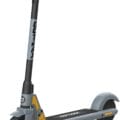
Gotrax G3


- Battery Range: 18 miles (29 km)
- Top Speed: 32 km/h (20 mph)
- Motor Power: 350 W rated
- Weight Capacity: 220 lb (100 kg)
- Charging Time: ~4–5 hours
- Scooter Weight & Portability: ~16 kg (35 lb)
PROS
- Balanced mix of speed, range, and portability
- 20 mph top speed keeps pace in bike lanes
- Built-in digital code lock adds security
- 8.5″ pneumatic tires improve comfort
- Cruise control and multiple ride modes included
- Compact folding design for storage and transport
CONS
- Real-world range is shorter than claimed (13–15 miles)
- No suspension; rough terrain feels bumpy
- Heavier than entry-level Gotrax models
- App features are basic compared to premium brands
- Not designed for very long-distance riders
Gotrax G3 Overview
Introduction: A Step Up in the Gotrax Line
The Gotrax G3 was designed as a middle ground between the company’s lightweight entry-level scooters and its more premium long-range machines. Released in 2021, it quickly became one of Gotrax’s most popular commuters thanks to its balanced blend of speed, range, and extra features like a built-in digital lock.
While models like the XR Ultra and XR Elite focus on affordability and portability, the G3 adds stronger performance and slightly more endurance. At the same time, it avoids the weight and bulk of heavy-duty flagships like the G Max Ultra. This makes the G3 an appealing choice for riders who want more than the basics but still need a scooter that’s easy to carry and store.
With a 374 Wh battery, a 20 mph top speed, and 8.5-inch pneumatic tires, the G3 is positioned for daily commuting in urban settings. It’s fast enough to keep up in bike lanes, efficient enough for medium-distance rides, and practical enough to fit seamlessly into everyday life.
In this extended overview, we’ll explore the G3’s performance, comfort, features, and real-world usability in depth.
Motor Power and Performance
The G3 is powered by a 350 W rear hub motor that peaks at around 500 W. This motor size puts it in the same class as many of Gotrax’s popular mid-tier scooters. While not built for extreme power, it delivers a steady and smooth ride for city commuting.
The scooter reaches a top speed of 20 mph (32 km/h), which is faster than many entry-level models capped at 15.5 mph. This extra speed helps riders flow more naturally with cyclists and other scooters in city bike lanes. For many riders, 20 mph is the sweet spot between practicality and excitement—it’s quick enough to cover ground but not overwhelming for beginners.
Acceleration feels linear and controlled. Riders won’t experience jerky takeoffs, which makes the G3 approachable for first-time owners. It’s powerful enough to tackle inclines up to 15°, though heavier riders may see some slowdown on steeper grades. Compared to smaller scooters like the XR Ultra, the G3 handles hills noticeably better.
Riding Modes and Everyday Use
The G3 includes three riding modes:
- Eco Mode — Conserves battery by limiting speed, useful for crowded sidewalks or conserving range on long rides.
- Standard Mode — Balances performance and efficiency for everyday commuting.
- Sport Mode — Unlocks the full 20 mph top speed and maximum torque, best for open bike lanes and less crowded areas.
Switching modes is quick and easy using the LED display. This flexibility lets riders adjust based on traffic, terrain, or battery level. For example, someone commuting in the morning rush might start in Sport Mode for speed, then switch to Eco Mode when navigating busier pedestrian zones.
Battery Life and Range
The G3’s 374 Wh lithium-ion battery gives it a claimed range of 18 miles (29 km) per charge. In practice, most riders see 13–15 miles (21–24 km) depending on terrain, rider weight, and riding mode.
For many urban commuters, this range is more than enough for daily use. A rider traveling 5–6 miles each way to work can make the trip comfortably with energy to spare. Even if you add errands or short detours, the G3 can handle a full day of commuting without running out of juice.
Charging takes around 4–5 hours, which means riders can plug in overnight or during the workday. The Smart Battery Management System (BMS) protects against overheating, overcharging, and short circuits, ensuring long-term battery health.
Compared to the XR Elite, which offers a similar real-world range but slower speeds, the G3 feels like a more performance-oriented upgrade. On the other hand, it cannot compete with the G Max Ultra, which nearly doubles the range but comes with extra weight.
Ride Comfort and Deck Design
Comfort is an area where the G3 delivers more than expected for its price. The 8.5-inch pneumatic tires do a solid job absorbing small bumps and cracks in the road. While there’s no suspension, the air-filled tires make a noticeable difference compared to scooters with solid wheels.
The deck is 6.7 inches wide, providing enough space for a stable stance. Riders can adjust foot placement for comfort, which helps on longer rides. The anti-slip finish adds security, even in slightly wet conditions.
The scooter’s weight of 16 kg (35 lb) also plays a role in ride stability. It’s heavy enough to feel planted on the road but still manageable for carrying up a flight of stairs or onto public transport.
Handlebar height is fixed, but it’s comfortable for most average-height riders. Steering feels controlled, and the scooter responds predictably to quick turns or lane changes.
Safety and Braking Features
The G3 puts a strong emphasis on safety. It uses a dual braking system that combines a front regenerative brake with a rear mechanical disc brake. This setup gives riders flexibility:
- The regen brake offers gentle deceleration and recharges the battery slightly.
- The disc brake provides stronger stopping power when needed.
Together, they ensure confident braking even in busy traffic situations.
For visibility, the scooter includes a front LED headlight, a rear tail/brake light, and side reflectors. These features make it safe for riding at night or in low-light conditions.
The G3 also introduces a unique digital code lock built into the scooter. This feature allows riders to secure their scooter without relying solely on an external lock, adding peace of mind for short stops at shops or cafes.
Portability and Folding
Weighing about 35 lb (16 kg), the G3 strikes a balance between sturdiness and portability. It’s heavier than lightweight models like the XR Ultra, but still far more portable than long-range machines like the G Max Ultra.
The one-step folding mechanism makes it quick to collapse, and the reinforced latch ensures it stays secure while folded. Its folded size is compact enough for car trunks, under desks, or apartment storage.
For riders who occasionally carry their scooter upstairs or onto public transport, the G3 remains manageable. It’s not feather-light, but it’s far from impractical.
Features and Smart Extras
Beyond performance, the G3 includes several features that make daily commuting easier:
- LED Display — Shows speed, battery life, and riding mode at a glance.
- Cruise Control — Lets riders maintain steady speeds without keeping pressure on the throttle.
- App Connectivity — The Gotrax app provides ride stats, basic diagnostics, and motor lock features.
- Digital Lock — Built into the scooter, providing added theft protection.
These extras elevate the G3 above Gotrax’s entry-level models, making it feel more premium without dramatically increasing the price.
Build Quality and Durability
The G3 is built with an aluminum alloy frame, which feels sturdy and reliable. The scooter supports riders up to 220 lb (100 kg) without noticeable flex.
It has an IP54 water resistance rating, which means it can handle light rain and splashes. Riders should still avoid riding in heavy storms, but the rating ensures the scooter holds up well in everyday conditions.
With basic maintenance—like keeping tires inflated and brakes adjusted—the G3 can last for years. Its build quality aligns with Gotrax’s reputation for dependable commuter scooters.
Comparisons in the Gotrax Lineup
The G3 fits neatly in the Gotrax range:
- Compared to the XR Elite, it offers faster speeds and slightly better performance, with similar range.
- Compared to the G4, it has a smaller battery but weighs less, making it more portable.
- Compared to the G Max Ultra, it’s far lighter and cheaper but sacrifices significant range.
This balance makes the G3 the sweet spot for many riders who want more than the basics but don’t need extreme endurance.
Ideal Use Cases
The G3 is a great match for:
- Commuters traveling 5–7 miles each way.
- Students who need a reliable campus scooter with extra safety features.
- Urban dwellers who value portability but also want more speed than budget scooters.
- Weekend riders who enjoy casual trips through the city or parks.
It may not be the best pick for those needing 20+ miles per day, but for average riders, it fits the bill perfectly.
Real-World Scenarios
Let’s consider a few real-world rider situations:
- Daily Commuter: Uses the G3 for a 6-mile round trip to work. Charges every two to three days and enjoys the faster top speed compared to cheaper models.
- Student Rider: Travels across campus with occasional short trips into the city. Appreciates the built-in lock for parking outside classrooms.
- Leisure Rider: Uses the G3 for weekend rides around town. The 15-mile real-world range is plenty for exploring without worrying about running out of power.
These scenarios highlight the G3’s practicality for everyday riders.
Final Verdict
The Gotrax G3 hits a sweet spot in the scooter market. It blends speed, range, safety, and smart features into a package that feels premium without carrying a premium price tag.
It may not have the extreme range of the G Max Ultra or the ultra-light portability of the XR Ultra, but it offers something arguably more valuable for many riders: balance. The G3 is fast enough, portable enough, and reliable enough to serve as a dependable daily commuter.
For riders who want a scooter that can handle weekday commutes and weekend fun without constant charging or excessive weight, the G3 stands out as one of the best mid-tier choices in 2025.
Specifications
General
| Model The Model specifies the exact version or name of the scooter. It helps identify its unique design, features, and specifications within the manufacturer’s product line. Knowing the model makes it easier to compare options, find compatible accessories, or look up support information. | G3 |
| Brand The Brand identifies the manufacturer or company that designs and produces the scooter. A trusted brand is a sign of quality, reliability, and good customer support. Well-known brands often have higher standards for safety, performance, and after-sales service, giving you more confidence in your purchase. | Gotrax |
| Release Date The Release Date indicates when the scooter model was officially launched on the market. This helps you know how current the design, technology, and features are. A newer release date often means updated components, improved performance, and the latest safety or smart features. | 01 May 2021 |
| Recommended Age Recommended Age indicates the minimum age range that the scooter is designed for, based on safety, size, and ease of use. Following the recommended age helps ensure that riders can handle the scooter’s speed, weight, and controls comfortably and safely. Always check local laws and use protective gear, especially for younger riders. | 16+ years |
Performance & Power
| Motor Power (Wattage) What it means: The motor power, measured in watts (W), shows how strong the scooter’s electric motor is. Why it matters: Higher wattage usually means better acceleration, more torque, and improved performance on hills or rough terrain. For example, a 250W motor is good for flat city roads and light riders, while a 500W or 1000W motor provides more power for faster speeds or climbing steep inclines. | 350 W rated, ~500 W peak |
| Top Speed The Top Speed indicates the maximum speed that the scooter can reach under optimal conditions. It’s usually measured on level ground with a fully charged battery and an average rider weight. A higher top speed allows you to travel longer distances faster, but always ensure you ride within legal speed limits and your personal comfort zone for safety. | 32 km/h (20 mph) |
| Battery Capacity Battery Capacity refers to the total amount of energy the scooter’s battery can store, usually measured in ampere-hours (Ah) or watt-hours (Wh). A higher battery capacity means you can ride longer distances on a single charge, reducing the need for frequent recharging. Keep in mind that actual range can vary depending on rider weight, terrain, speed, and weather conditions. | 374 Wh (36V 10.4Ah lithium-ion) |
| Estimated Range per Charge The Estimated Range per Charge indicates the average distance the scooter can travel on a single full battery charge. This range is calculated under optimal conditions, such as flat terrain, moderate speed, and average rider weight. Real-world range may vary depending on riding style, terrain, weather, and load. A longer range means fewer recharges and greater freedom for longer trips. | Up to 18 miles (29 km) claimed; real-world ~13–15 miles (21–24 km) |
| Hill Climb Ability Hill Climb Ability describes the maximum incline or slope that the scooter can handle while maintaining stable performance. It’s typically expressed as a percentage or in degrees. A higher hill climb rating means the scooter can tackle steeper hills without losing too much speed or power. Actual climbing performance may vary based on rider weight, battery charge, and terrain conditions. | Up to 15° inclines |
| Drive System The Drive System refers to how power from the motor is delivered to the wheels. Electric scooters typically use either a hub motor (directly integrated into the wheel) or a chain/belt drive system. A high-quality drive system ensures smooth acceleration, efficient power transfer, and low maintenance. The choice of drive system affects performance, noise level, and overall ride experience. | Rear-wheel hub motor |
Charging & Electrical
| Charging Time Charging Time indicates how long it takes to fully recharge the scooter’s battery from empty to 100% using the standard charger provided. Faster charging means less downtime and more time on the road. Actual charging time may vary slightly depending on battery capacity, charger output, and environmental conditions. | ~4–5 hours |
| Battery Type Battery Type refers to the specific technology used in the scooter’s battery, which affects performance, lifespan, weight, and charging time. Most modern electric scooters use high-quality lithium-ion (Li-ion) batteries because they offer a good balance of energy density, durability, and low maintenance. A reliable battery type ensures consistent power delivery and longer riding ranges. | Lithium-ion with Smart BMS |
| Removable Battery A Removable Battery means the battery pack can be easily detached from the scooter for convenient charging and replacement. This feature allows you to charge the battery separately, swap it with a spare for extended range, or securely store it indoors in extreme weather. Removable batteries add flexibility and make it easier to keep your scooter powered up wherever you are. | No |
| Regenerative Braking Regenerative Braking is an energy-saving feature that converts some of the energy normally lost during braking back into battery power. When you slow down or brake, the motor works in reverse to generate electricity, which helps extend the scooter’s range and improves overall efficiency. This system also reduces wear on traditional brake components, leading to lower maintenance over time. | Yes |
| Lighting Lighting refers to the built-in front and rear lights that enhance visibility and safety when riding in low-light conditions or at night. Good lighting helps you see the road ahead and ensures that other road users can see you. Many scooters include LED headlights, taillights, and sometimes brake lights or side reflectors for added safety and compliance with local traffic regulations. | LED headlight, tail light, side reflectors |
Build & Dimensions
| Scooter Weight Scooter Weight refers to the total weight of the scooter when fully assembled, including the battery. This affects how easy it is to carry, lift, and store the scooter when not in use. A lighter scooter is more portable and convenient for commuting, especially if you need to carry it upstairs or onto public transport. Keep in mind that a sturdy frame and quality components may add to the weight but also contribute to better durability and ride stability. | ~16 kg (35 lb) |
| Maximum Rider Weight Maximum Rider Weight indicates the highest rider weight that the scooter is designed to safely support while maintaining optimal performance and stability. Staying within this limit helps ensure reliable acceleration, braking, and climbing ability, and it protects the frame, suspension, and motor from excessive strain. Exceeding the recommended limit may reduce performance and increase wear on components. | 220 lb (100 kg) |
| Deck Size Deck Size refers to the dimensions of the scooter’s standing platform. A wider and longer deck provides more foot space, allowing you to stand comfortably and adjust your stance while riding. A well-sized deck improves balance and stability, especially on longer rides or at higher speeds. Compact decks, on the other hand, help keep the scooter lightweight and portable. | 6.7″ (170 mm) wide anti-slip platform |
| Handlebar Height Handlebar Height refers to the distance from the deck to the handlebars, which affects your riding posture and comfort. An appropriate handlebar height helps you maintain good balance, reduces strain on your back and arms, and makes steering more comfortable. Some scooters have adjustable handlebars to fit riders of different heights, while others have a fixed height for a streamlined design. | Fixed T-bar design |
| Folding Mechanism The Folding Mechanism describes how easily and securely the scooter can be folded for carrying and storage. A well-designed folding system lets you quickly collapse the scooter into a compact size, making it convenient to transport on public transit, store under a desk, or fit into a car trunk. Look for sturdy latches and safety locks to ensure the scooter stays firmly in place when folded or unfolded. | Yes |
| Dimensions Folded Dimensions indicate the size of the scooter when it’s fully folded. This measurement shows how much space the scooter will take up when stored or carried, making it easier to check if it will fit in your car trunk, under a desk, or in a closet. Compact folded dimensions are ideal for commuters who need to bring their scooter on public transport or store it in tight spaces. | Compact for trunk or indoor storage |
| Material Material refers to the primary construction materials used for the scooter’s frame and key components. High-quality materials like aircraft-grade aluminum, reinforced steel, or durable composites provide strength, stability, and a lighter overall weight. A sturdy material ensures the scooter can handle daily wear and tear while maintaining safety and performance. | Aluminum alloy frame |
Safety & Control
| Brake Type(s) Brake Type(s) describe the braking systems the scooter uses to help you slow down or stop safely. Common brake types include mechanical brakes (like drum or disc brakes), electronic brakes, and foot brakes. Many scooters combine multiple braking systems for added safety and shorter stopping distances. The type and quality of brakes affect your control, especially when riding at higher speeds or on slopes. | Dual: front regenerative + rear disc brake |
| Suspension Suspension refers to the system that absorbs shocks and vibrations while riding, providing a smoother and more comfortable ride over uneven or rough surfaces. Scooters may have front suspension, rear suspension, or dual suspension for better shock absorption and stability. Good suspension helps reduce rider fatigue and improves control, especially when riding on bumpy roads or off-road paths. | None |
| Tire Type Tire Type refers to the kind of tires the scooter uses, which directly affects ride comfort, traction, and maintenance. Common types include solid (airless) tires, pneumatic (air-filled) tires, or hybrid options. Pneumatic tires offer better shock absorption and a smoother ride on rough surfaces, while solid tires are puncture-proof and require less upkeep. The right tire type helps ensure safe handling and a comfortable ride in different conditions. | 8.5″ pneumatic air-filled tires |
| Tire Size Tire Size indicates the diameter and width of the scooter’s tires, which affect ride comfort, stability, and how well the scooter handles different terrains. Larger tires generally offer better shock absorption and a smoother ride over bumps and rough surfaces, while smaller tires keep the scooter lighter and more portable. Choosing the right tire size helps ensure a balance between agility and comfort. | 8.5″ (front & rear) |
| Kickstand The Kickstand is a built-in stand that allows you to park your scooter upright when it’s not in use. A sturdy kickstand keeps the scooter stable and prevents it from tipping over, protecting it from scratches and damage. It also makes storing and accessing your scooter more convenient, whether you’re at home, work, or on the go. | Yes |
| Water Resistance Rating Water Resistance Rating indicates how well the scooter is protected against water and moisture, usually shown as an IP (Ingress Protection) rating. This rating helps you understand whether the scooter can handle light rain, splashes, or wet roads without damage. While most scooters are not fully waterproof, a good water resistance rating adds peace of mind when riding in changing weather conditions. Always avoid deep puddles or submerging the scooter to protect its electrical components. | IP54 |
Features & Extras
| Display/Console The Display (or Console) shows important real-time information about your ride, helping you monitor your scooter’s status at a glance. Typical displays show speed, battery level, distance traveled, and riding mode. Some models also include additional features like Bluetooth connectivity, app integration, or backlighting for better visibility at night. A clear and easy-to-read display enhances safety and convenience on every trip. | LED screen with speed, battery, and mode |
| Ride Modes Ride Modes refer to the different speed and power settings you can choose to match your riding style or road conditions. Common modes include eco for maximum range and energy efficiency, standard for everyday balance, and sport or turbo for higher speed and stronger acceleration. Switching between ride modes allows you to customize performance, conserve battery, and ride safely in various environments. | Eco, Standard, Sport |
| Smart App Connectivity Smart App Connectivity lets you pair your scooter with a dedicated mobile app via Bluetooth. Using the app, you can monitor real-time ride stats like speed, battery level, and range, adjust settings such as ride modes or cruise control, lock the scooter for added security, and sometimes receive firmware updates. This feature adds convenience and allows you to personalize your riding experience right from your smartphone. | Yes |
| Anti-Theft System The Anti-Theft System helps protect your scooter from unauthorized use or theft. This feature can include built-in alarms, electronic motor locks, GPS tracking, or remote locking through a mobile app. A good anti-theft system provides peace of mind when parking your scooter in public spaces, adding an extra layer of security to safeguard your investment. | Built-in digital code lock |
| Cruise Control Cruise Control allows you to maintain a steady speed without continuously holding the throttle. This feature makes longer rides more comfortable by reducing hand fatigue and providing a smoother, more relaxed riding experience — especially on flat, open roads or bike lanes. For safety, cruise control can usually be easily activated or deactivated while riding. | Yes |
| Accessories Included Accessories Included lists the additional items that come with the scooter to enhance your riding experience and convenience. Common accessories may include a charger, kickstand, bell, lights, phone holder, or carrying strap. These extras add value by making your scooter safer, easier to use, and ready to ride straight out of the box. | Charger, manual, Allen key |
Warranty & Compliance
| Warranty Period The Warranty Period indicates how long the manufacturer guarantees the scooter against defects in materials and workmanship under normal use. A good warranty provides peace of mind, showing the brand’s confidence in its product quality. Always check what parts are covered, such as the frame, battery, and motor, and follow the maintenance guidelines to keep your warranty valid. | 12 months manufacturer warranty |
| Certifications Certifications confirm that the scooter meets specific safety, quality, and environmental standards set by recognized organizations or regulatory bodies. Common certifications may include CE, RoHS, UL, or other local compliance marks, depending on your region. These certifications ensure that the scooter is manufactured to high standards and is safe and legal to use in your country. | UL, CE, RoHS, IP54 |