
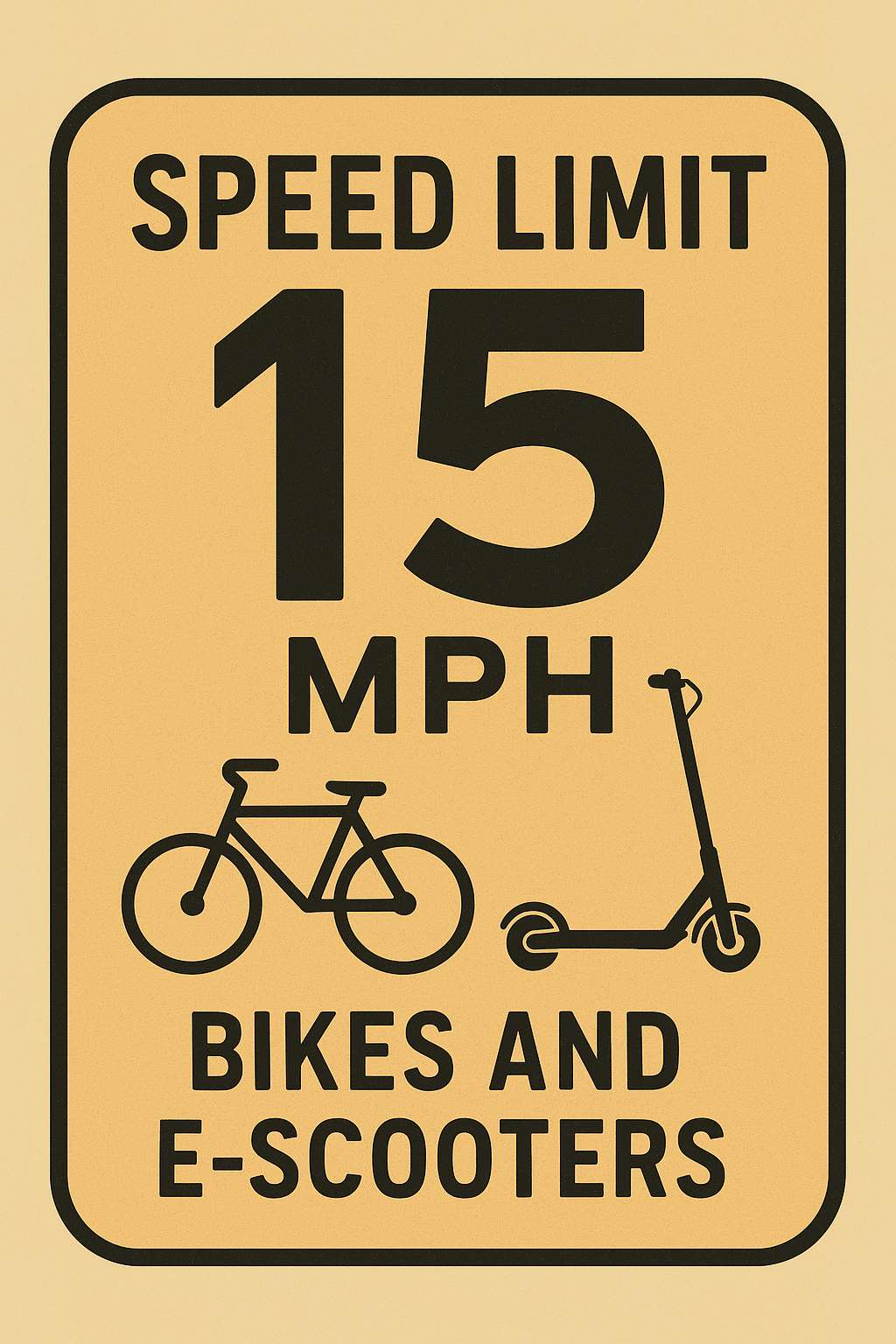
Arizona lawmakers are studying a new rule that sets a 15 mph speed cap for bikes and electric scooters on shared paths. The idea sits inside Senate Bill 1008, which focuses on places where riders, walkers and runners move side by side. The bill tries to make these paths calmer, cut near misses and lower crash risk for people on foot. At the same time, it leaves many street rules and vehicle definitions as they are today.
What the 15 mph cap does in the bill
Under SB 1008, a person on a bicycle must stay at or below 15 miles per hour on a bike or multiuse path when the way ahead is clear. When the rider passes another person, the bill sets that limit at 5 miles per hour. That pace feels close to a brisk walk, so people who stroll, jog or push strollers can feel more relaxed around faster wheels.
On top of that, the bill gives cities, towns and counties room to tighten the rule. Local officials who manage a path can set even lower limits where they see extra risk, for example near schools, parks or retirement communities. So the statewide rule becomes a floor, and local rules can still go further.
SB 1008 does not focus only on traditional bikes. It also covers many small electric devices that already appear in Arizona law. Those devices include electric bicycles, electric standup scooters, electric miniature scooters, electric personal assistive mobility devices and motorized skateboards. Riders on any of these devices must follow the same 15 mph cap on clear stretches and the 5 mph rule while passing.
Non-electric skateboards and non-electric kick scooters sit outside the bill. People who ride them by foot stay under the older rules that already apply to human powered gear. So the proposal draws a clear line between devices with motors and devices that rely only on muscle.
Why lawmakers want slower shared paths
Supporters link the proposal to the rapid growth of electric micromobility in Arizona cities such as Phoenix, Scottsdale and Tempe. More residents now hop on e-bikes and scooters for short errands, school runs and work commutes. On quiet streets that extra speed often feels fine, so riders get used to cruising at 20 mph or more. On narrow paths full of families, dogs and joggers, the same speed can feel harsh and even scary.
Former traffic officers raised worries after seeing children and teens ride fast very close to pedestrians. Their reports helped shape the idea of a firm statewide cap for shared paths. In simple terms, the bill tries to keep path culture closer to a neighborhood sidewalk than to a busy traffic lane. So the main goal is comfort and safety, not cutting travel time.
Even so, SB 1008 still respects the technical rules that already define these devices. Arizona law splits low speed electric bicycles into three classes with different motor support limits. Class 1 and Class 2 models add power up to 20 mph, and Class 3 models add power up to 28 mph. Electric standup scooters sit in a separate group with clear limits on weight and design speed. The new bill leaves these design numbers where they are and focuses only on how fast people ride once they move onto a shared path.
How Arizona fits in with other states
Many riders see the 15 mph cap and wonder if it is high, low or just normal. Across the country, several states already use 15 mph as a common limit for shared paths or rental scooters. Examples include Arkansas, Mississippi, Nevada, New York, Utah, Washington and Wisconsin. So Arizona would join a growing group rather than strike out on its own.
Federal product rules shape what riders see in shops. National consumer standards describe low speed electric bicycles as devices with motors up to 750 watts that help riders up to roughly 20 mph. States then add their own traffic codes on top. Arizona’s plan fits that pattern. It changes where and how people can ride on shared paths rather than what stores can offer for sale.
Enforcement and real world questions
Once you read the text of SB 1008, the next question comes fast. How would anyone check these speeds on the path?
Many new electric scooters already show speed on a handlebar display, so riders can glance down and stay under 15 mph. Plenty of regular bikes do not have that kind of screen, and many riders track speed only through a phone app or a separate bike computer. So the tools for self-checking speed vary a lot from person to person.
For that reason, police departments will need clear guidance before they start heavy enforcement on paths. They will have to decide whether to rely on visual estimates, random spot checks or short patrols in the busiest sections. They will also need a plan for short bursts of speed on downhill parts or during quick sprints.
The 5 mph rule during passing draws special attention from riders. Most people like to speed up a little when they move around a slow walker or jogger. Under SB 1008, they need to ease off the throttle and pass at something close to walking pace. Supporters say that this slower pass can cut the risk of close calls for people who do not hear a bell or voice warning in time.
Violations under the bill fall into the civil traffic category. That means fines rather than criminal charges, so the main focus stays on education, speed awareness and safer habits on shared paths. In practice, that approach keeps the tone closer to a traffic warning than a court case.
What comes next for riders
SB 1008 is filed for the 2026 regular session of the Arizona Legislature, so it still has a long path ahead. The bill will go through hearings, debate and possible changes in committee. Lawmakers can adjust speed numbers, update device lists or add narrow exceptions for events and group rides. Then both chambers must pass a final version before it reaches the governor’s desk.
For now, current Arizona rules for bikes and scooters remain in place. Riders should read local signs on paths, give people on foot plenty of room and match their speed to crowd levels. If you travel outside Arizona, it also helps to check local law first. Rules for paths, streets and licenses can change from state to state.
For example, this guide on whether you need a license for an electric scooter in the USA offers a clear look at how different states treat e-scooter riders on public roads. As debate over SB 1008 moves ahead, a 15 mph cap on shared paths has a real chance to become part of everyday riding life for people who bike or scoot across Arizona.