
- Home
- Scooters
- Electric Scooters
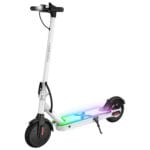
- Hover-1 Journey (H1-JNY)
Hover-1 Journey (H1-JNY)
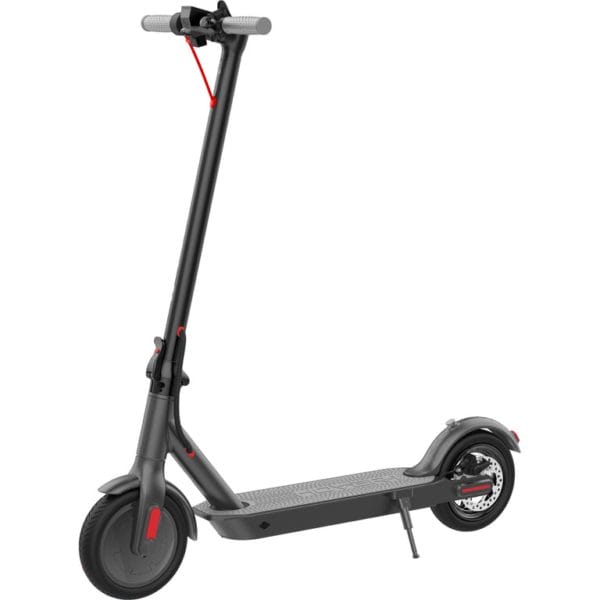
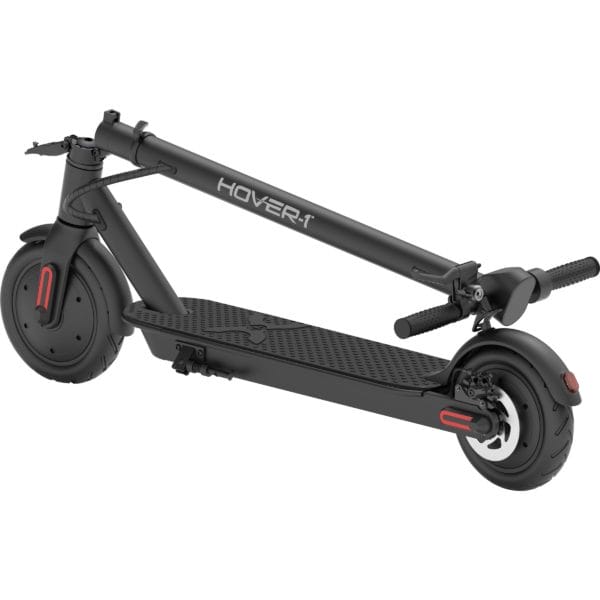

- Battery Range: 16 miles (25.7 km)
- Top Speed: 15 mph (24 km/h)
- Motor Power: 300 W
- Weight Capacity: 264 lb (120 kg)
- Charging Time: ~5 h
- Scooter Weight: 30.9 lb (14.0 kg)
PROS
- 8.5″ pneumatic tires for comfort
- Rear disc brake
- LED display with cruise control
- Foldable with compact folded size
- Max rider weight 264 lb (120 kg)
CONS
- IP rating not specified
- No stated Bluetooth app
- Regenerative braking not specified
Table of contents
- What Is the Hover-1 Journey (H1-JNY)?
- How the Hover-1 Journey (H1-JNY) Works
- Key Specifications
- Design & Build Quality
- Performance Fundamentals
- Battery, Range & Efficiency
- Ride Quality & Comfort
- Braking & Safety Features
- Portability & Daily Usability
- Maintenance & Care
- Weather & Seasonal Considerations
- Hover-1 Journey (H1-JNY) vs Alternatives
- Who the Hover-1 Journey (H1-JNY) Is (and Isn’t) For
- FAQs
- Glossary
- Final Notes on Everyday Use
The Hover-1 Journey (H1-JNY) is a compact, beginner-friendly electric scooter built for short commutes and easy storage. It aims to balance approachable power, simple controls, and a practical range for city rides and campus trips. If you want a straightforward first scooter that folds quickly, slips under a desk, and delivers dependable everyday transport, this model is designed for you.
What Is the Hover-1 Journey (H1-JNY)?
At its core, the Hover-1 Journey is an entry-class, lightweight commuter scooter with a brushless hub motor, a 36-volt lithium-ion battery, and 8.5-inch tires. It targets riders who value portability and predictability over raw speed. The deck feels stable for casual cruising, while the cockpit keeps the interface minimal: a throttle, a brake lever, and a clear display so you can focus on the ride.
This model suits first-time riders, students, and last-mile commuters who need a portable vehicle that can be carried on stairs or tucked beside a café table. Because it folds fast, it plays well with buses, trains, and car trunks. As a result, multi-modal travel feels natural.
How the Hover-1 Journey (H1-JNY) Works
Although e-scooters can sound complex, the Journey’s layout is easy to grasp. Think of it like a bicycle with a quiet electric helper:
- Motor (rear hub, brushless): The motor sits inside the wheel hub. As you press the thumb throttle, the controller feeds current to the hub, which turns the wheel directly. There are no chains or belts to maintain, which simplifies ownership and reduces noise.
- Controller (the “brain”): The controller governs acceleration and current draw. It reads your throttle input, then meters power so acceleration stays smooth. It also coordinates electronic braking, battery protection, and speed limiting.
- Battery (36 V lithium-ion): The pack stores energy much like a compact “fuel tank.” Voltage determines system power potential, while amp-hours reflect capacity. The Journey’s battery is sized for short commutes and errands, not all-day touring.
- Throttle (thumb lever): Push gently for gradual pull-away or deeper for brisker starts. Because response is progressive, you can modulate speed easily in bike lanes and crowded paths.
- Brakes (electronic + mechanical): The rear wheel typically handles electronic braking, which uses the motor to slow the scooter. A mechanical backup—commonly a rear foot brake or lever-actuated system—adds extra stopping force. Together, they give you control in both light and panic stops.
That’s the whole picture. In daily use, you turn the scooter on, kick off gently, add throttle, and cruise. When you need to stop, you roll off the throttle and brake progressively. Then, at your destination, you fold the stem, carry or park, and charge as needed.
Key Specifications
Below are the manufacturer-published specifications for the Hover-1 Journey (H1-JNY), presented in both US and metric units where applicable. Where the manufacturer has not stated a value, it’s noted accordingly.
General
| Item | Value |
|---|---|
| Model | Hover-1 Journey (H1-JNY) |
| Class | Entry-level commuter e-scooter |
| Intended use | Short commutes, campus, last-mile travel |
| Rider capacity (max load) | 220 lb (100 kg), manufacturer-stated |
| Frame material | Aluminum alloy |
| Tire size | 8.5 in (216 mm) |
| Tire type | Pneumatic (air-filled), manufacturer-stated |
Performance & Power
| Item | Value |
|---|---|
| Motor | 300 W brushless rear hub (nominal) |
| Top speed | Up to ~14 mph (≈ 22.5 km/h) |
| Claimed range | Up to ~16 miles (≈ 26 km) under ideal conditions |
| Hill performance | Short urban grades (≈ 7–10%) at reduced speed; see “Performance Fundamentals” |
| Ride modes | Multiple speed modes (manufacturer-stated) |
| Drive | Rear-wheel, direct hub drive |
Battery, Charging & Electrical
| Item | Value |
|---|---|
| Battery voltage / capacity | 36 V nominal, ~6.0 Ah (≈ 216 Wh), manufacturer-stated |
| Charger | 42 V output; typical compact brick |
| Charge time | ~4.5–6 hours from low state (typical) |
| Battery management | Integrated protections for charge/discharge (BMS) |
| Display | Handlebar display with speed, battery status, and mode |
| Lighting | Front LED headlight; rear light/reflectors (manufacturer-stated) |
Build & Dimensions
| Item | Value |
|---|---|
| Unfolded dimensions | Not specified by manufacturer |
| Folded dimensions | Not specified by manufacturer |
| Deck size | Not specified by manufacturer |
| Wheelbase | Not specified by manufacturer |
| Scooter weight | ~27 lb (≈ 12.2 kg), manufacturer-stated |
| Kickstand | Yes |
Safety & Control
| Item | Value |
|---|---|
| Braking | Electronic motor brake + mechanical backup (rear) |
| Traction | 8.5 in pneumatic tires for grip and shock absorption |
| IP rating | Not specified by manufacturer |
| Reflectors | Side/rear reflectors (manufacturer-stated) |
| Bell | Yes (common on commuter trim) |
Features & Extras
| Item | Value |
|---|---|
| Display functions | Speed, battery bars, mode indicator |
| Cruise Control | Not specified by manufacturer |
| Folding mechanism | Quick-fold, stem latch |
| App connectivity | Not specified by manufacturer |
| Accessories | Common add-ons: phone mount, strap, lock (sold separately) |
Warranty & Compliance
| Item | Value |
|---|---|
| Warranty | Limited manufacturer warranty (commonly ~90 days) |
| Safety standards | Charger and battery protections; specific certifications not stated |
| Rider guidance | Follow local regulations and helmet recommendations |
Note: “Manufacturer-stated” indicates values presented by the brand. Real-world performance varies with rider weight, speed, temperature, terrain, and maintenance.
Design & Build Quality
The Journey’s design favors simplicity. The frame uses aluminum alloy to balance strength and weight. That choice keeps the scooter portable yet resilient against everyday dings. The deck provides a flat, grippy surface with enough standing room for most riders to adopt a forward-staggered stance. Because the profile is slim, the scooter slides easily into a closet or beside a desk.
The stem folds via a latch at the base. This mechanism works quickly after a little practice. It locks firmly, which reduces play while riding and keeps the folded scooter tidy when carried. Because the latch is a wear item, periodic inspections help maintain crisp engagement.
Up top, the cockpit follows a clean commuter layout: a central display, throttle on one side, and a brake lever on the other. The screen is bright enough for daytime glances, though direct sun can wash out fine details. Even so, the critical items—speed, battery, and mode—remain legible at a glance.
Fit-and-finish are consistent for an entry class. The cabling is routed with basic protection, and the welds look neat for the segment. While you shouldn’t expect the overbuilt heft of performance scooters, the Journey feels solid for its weight. As a result, it inspires confidence for city speeds and everyday errands.
Performance Fundamentals
Acceleration is measured, not aggressive. Off the line, the Hover-1 Journey (H1-JNY) pulls smoothly to neighborhood speeds. On flat pavement, it reaches its pace without drama. Because power delivery is progressive, tiny throttle adjustments translate to gentle speed changes. That behavior helps in mixed traffic where predictability matters.
At a steady cruise, the scooter tracks straight. The 8.5-inch pneumatic tires provide a forgiving contact patch, which helps the chassis settle over small bumps. In sweeping turns, the low deck height keeps your center of gravity in check. Therefore, the scooter feels planted at its intended speeds.
On hills, expect a slowdown. The Journey will tackle ~7–10% grades at reduced speed with a mid-weight rider. Short climbs are manageable, especially if you build momentum beforehand. Longer hills demand patience. Plan routes with gentler grades when you can, and use available bike lanes to keep pace steady.
Finally, stability improves with proper tire pressure and a firm stem latch. If you notice extra flex or a slight oscillation at higher speeds, inspect latch tightness and tire pressure first. Small adjustments often restore a calm ride.
Battery, Range & Efficiency
The Journey’s 36-volt pack offers a practical, commuter-sized capacity. Under ideal conditions and modest speeds, the manufacturer claims up to ~16 miles (≈ 26 km). Real-world numbers depend on several factors:
- Rider weight: Heavier riders draw more current for the same speed.
- Speed and stop-and-go: Frequent, hard accelerations consume energy quickly.
- Terrain and wind: Hills and headwinds raise power demand.
- Temperature: Cold weather reduces lithium-ion efficiency.
- Tire pressure: Under-inflated tires increase rolling resistance.
In practice, many riders plan on 8–12 miles (≈ 13–19 km) for predictable daily use with mixed riding. If you cruise at moderate speeds and keep tires properly inflated, you’ll likely land near the top of that band. Conversely, rapid acceleration and top-speed cruising will shrink range.
Charging is straightforward. The compact 42-volt charger plugs into a charge port on the deck or stem area (location varies slightly by revision). A full top-up from a low state typically takes ~4.5–6 hours. For longevity, avoid storing the battery completely full or completely empty for long periods. Instead, park between 40–80% when the scooter sits for more than a week. Additionally, try to charge after rides while the pack is at room temperature, not immediately after a hot climb.
Ride Quality & Comfort
Although the Journey lacks dedicated suspension, the 8.5-inch air-filled tires absorb a surprising amount of chatter. At the correct pressure, they smooth cracks, seams, and small potholes. This tire choice also improves grip in damp conditions compared with many solid-tire scooters. However, watch out for pinch flats if you run pressures too low, especially on sharp edges.
Ergonomically, the deck gives enough space for a staggered stance, which reduces fatigue on longer rides. The handlebar height suits most adults in the average range, and the grips feel secure without being overly firm. Meanwhile, stem flex remains modest for this weight class. If you experience extra flex, re-check the latch tension and make sure the main hinge is clean and debris-free.
Because the scooter is light, it’s nimble in crowded areas. Quick swerves and tight U-turns are easy, which helps in parking lots or on narrow paths. That agility, combined with the calm acceleration curve, keeps the Journey approachable for first-timers.
Braking & Safety Features
The Journey uses two layers of braking: electronic and mechanical. Rolling off the throttle engages a motor-based retarding effect that scrubs speed smoothly. The mechanical backup—either a rear foot brake or a lever-actuated system—adds stopping power when you need firm deceleration.
Braking feel is progressive. Light lever input slows gently; deeper input firms the bite. Practice matters. Therefore, rehearse controlled stops in a safe area. Learn how the scooter loads weight to the front under braking, and shift your stance accordingly.
Lighting is commuter-oriented. A front LED headlight increases conspicuity at dusk, while rear lighting or reflectors improve visibility from behind. Nonetheless, urban nights can be dark. Consider adding a helmet-mounted light or a brighter bar light if you ride after sunset. Reflective ankle bands also help drivers gauge your motion.
As for water, the manufacturer does not publish an official IP rating for this model. That absence suggests caution. Avoid riding through deep puddles, power-washing the deck, or storing the scooter in damp environments. Wipe down after wet roads and allow connectors to dry before charging.
Portability & Daily Usability
Portability is a core strength. At ~27 lb (≈ 12.2 kg), the Hover-1 Journey (H1-JNY) is easy to lift onto a bus or up a flight of stairs. The folded package is neat, and the grab point at the stem is natural for short carries. Because it parks cleanly on its kickstand, indoor storage is simple.
The folding mechanism is intuitive. Flip the latch, lower the stem, and secure it to the rear hook or tab. With practice, the process takes seconds. Periodically check latch fasteners for tightness, since vibrations can loosen hardware over time.
Security remains your responsibility. Although the scooter is portable, do not leave it unattended in high-risk areas. Use a quality lock when you must park outside, and store the charger separately. Since the Journey is smaller than a bike, many riders carry it indoors to avoid theft.
Maintenance & Care
Light, regular maintenance keeps the Journey feeling fresh:
- Weekly tire check: Set pressures within the recommended range. Under-inflation invites flats and dulls range. Over-inflation reduces grip and comfort.
- Brake inspection: Test lever feel and foot-brake travel. Adjust or service as needed. Replace worn pads or foot-brake liners promptly.
- Fastener sweep: Inspect the stem hinge, folding latch, axle nuts, and handlebar clamp. Retighten to spec if anything loosens.
- Drive cleanliness: Wipe dust and grit from the deck, latch, and wheel hubs. Keep the main hinge clean for smooth folding.
- Charging habits: Avoid full-to-empty cycles daily. Instead, target partial charges and store at mid-state when idle.
- Firmware/app (if applicable): The Journey’s core controls are hardware-based. If your revision supports app pairing, keep firmware current and verify speed-mode settings after updates.
A simple schedule helps:
- Every ride: Visual check, tire pressure, and brake feel.
- Weekly: Bolt sweep, latch tension, and deck/grip cleaning.
- Monthly: Deep clean, hinge inspection, and cable routing check.
- Seasonally: Battery health review, tire condition, and replacement planning.
Weather & Seasonal Considerations
Weather influences range, grip, and safety. In rain, traction drops. Lower your speed, brake earlier, and stay upright through turns. Paint lines and metal covers get slick, so cross them straight. Because the manufacturer doesn’t publish an IP rating, avoid heavy rain and standing water. After wet rides, dry the scooter before charging.
In heat, batteries operate more efficiently, yet extreme temperatures stress components. Park in the shade when possible, and allow a hot scooter to cool before charging. Meanwhile, cold weather cuts range. Expect noticeably fewer miles when temperatures dip near freezing. Keep the pack warm indoors and head out only when you need to.
Seasonally, check consumables. Tires harden over time and may crack if exposed to sun and ozone. Replace them before tread or casing deteriorates. Likewise, inspect grips and reflectors for wear.
Hover-1 Journey (H1-JNY) vs Alternatives
Within the commuter category, the Journey excels when portability and approachability come first. If your rides are mostly flat, under six miles round-trip, and mixed with public transit, the Journey’s light weight and tidy fold are compelling. It starts and stops predictably, which builds confidence during the first weeks of ownership.
However, riders wanting longer range or faster cruising should consider mid-class commuters with larger batteries and stiffer chassis. Those scooters weigh more but deliver stronger hill performance. At the other extreme, performance scooters offer high speeds and dual-motor acceleration, yet they sacrifice portability and simplicity.
Off-road riders belong in a different group entirely. Knobby tires, suspension, and a reinforced frame are essential when you leave pavement behind. The Journey is a city specialist; it’s happiest on bike lanes, multi-use paths, and clean urban streets.
If you’re researching a similarly named variant, see the Hover-1 H1-JNY2.
Who the Hover-1 Journey (H1-JNY) Is (and Isn’t) For
Ideal for:
- Students commuting across campus or between classes.
- Urban commuters traveling short distances with train or bus segments.
- First-time riders who prefer measured acceleration and light handling.
- Apartment dwellers with limited storage who need a quick fold.
Not ideal for:
- Riders facing long, steep hills every day.
- High-mileage commuters who need 15+ miles at brisk speeds without charging.
- Anyone seeking suspension comfort on broken pavement.
- Off-road explorers who ride gravel or singletrack.
If you recognize your routine in the first list, the Journey fits. If your needs match the second, you’ll outgrow this class quickly.
FAQs
1) How fast does the Hover-1 Journey (H1-JNY) go?
It’s rated for up to ~14 mph (≈ 22.5 km/h). Real-world speeds vary with rider weight, terrain, and battery level.
2) What’s the realistic range on one charge?
Plan on ~8–12 miles (≈ 13–19 km) for mixed riding. You’ll see the top end with modest speeds, warm temps, and proper tire pressure.
3) Does the Hover-1 Journey (H1-JNY) fold easily?
Yes. The stem latch releases quickly, and the folded scooter is compact enough for stairs, car trunks, and office storage.
4) What kind of tires does it use?
8.5-inch pneumatic tires. They improve comfort and grip compared with many solid options, but they require correct pressure and occasional tube changes.
5) Can I ride in the rain?
There’s no official IP rating listed for this model. Light splashes happen in real life, but avoid heavy rain, puddles, and power-washing. Dry the scooter before charging.
6) What maintenance should I expect?
Check tire pressure weekly, inspect the folding latch and brakes, and keep fasteners snug. Replace tires and tubes when worn.
7) Where can I find a concise Hover-1 Journey (H1-JNY) overview?
You’re reading a complete “Hover-1 Journey (H1-JNY) overview” here, covering design, performance, range, maintenance, and safety.
Glossary
- Ah (Amp-hour): Battery capacity rating. Higher Ah means more stored energy at the same voltage.
- Wh (Watt-hour): Total energy (volts × amp-hours). Useful for estimating potential range.
- Controller: The electronic “brain” that meters power from the battery to the motor and manages protections.
- Brushless hub motor: A motor built into the wheel hub that drives the wheel directly without chains or belts.
- Regen (regenerative braking): Motor-based braking that turns kinetic energy back into electrical energy; often mild on small scooters.
- Stem flex: Side-to-side or fore-aft movement in the steering column. Excess flex can feel wobbly at speed.
- IP rating: Ingress Protection code that indicates dust and water resistance. Not all scooters publish one.
- Nominal power: A motor’s rated continuous output, distinct from short peak bursts.
- BMS (Battery Management System): Circuitry that protects cells during charge and discharge and balances them over time.
- Torque: Rotational force from the motor that influences launch feel and hill-climbing ability.
- Rolling resistance: The energy lost to tire deformation and road friction; higher pressure often reduces it.
- Deck: The standing platform for your feet; width and grip affect comfort and stability.
- Wheelbase: Distance between front and rear wheel centers; longer wheelbases can feel more stable.
- Pneumatic tire: Air-filled tire that cushions bumps and increases traction; needs correct pressure.
- Speed mode: Electronic setting that caps speed and changes throttle response for control or efficiency.
Final Notes on Everyday Use
To keep your Hover-1 Journey (H1-JNY) feeling fresh:
- Choose routes with smoother pavement. Your tires will thank you.
- Keep speeds moderate in crowded areas and brake early when wet.
- Carry a small pump and patch kit on longer days.
- Charge at room temperature and avoid storing the pack full for weeks.
- Inspect the latch and fasteners monthly; a tight hinge is a stable hinge.
Ultimately, the Journey shines when you combine responsible riding with basic upkeep. Treat it like a daily tool, and it will handle your routine with minimal fuss.
Specifications
General
| Model The Model specifies the exact version or name of the scooter. It helps identify its unique design, features, and specifications within the manufacturer’s product line. Knowing the model makes it easier to compare options, find compatible accessories, or look up support information. | Journey (H1-JNY) |
| Brand The Brand identifies the manufacturer or company that designs and produces the scooter. A trusted brand is a sign of quality, reliability, and good customer support. Well-known brands often have higher standards for safety, performance, and after-sales service, giving you more confidence in your purchase. | Hover-1 |
| Release Date The Release Date indicates when the scooter model was officially launched on the market. This helps you know how current the design, technology, and features are. A newer release date often means updated components, improved performance, and the latest safety or smart features. | 27 November 2025 |
| Recommended Age Recommended Age indicates the minimum age range that the scooter is designed for, based on safety, size, and ease of use. Following the recommended age helps ensure that riders can handle the scooter’s speed, weight, and controls comfortably and safely. Always check local laws and use protective gear, especially for younger riders. | 16+ |
Performance & Power
| Motor Power (Wattage) What it means: The motor power, measured in watts (W), shows how strong the scooter’s electric motor is. Why it matters: Higher wattage usually means better acceleration, more torque, and improved performance on hills or rough terrain. For example, a 250W motor is good for flat city roads and light riders, while a 500W or 1000W motor provides more power for faster speeds or climbing steep inclines. | 300 W brushless hub motor |
| Top Speed The Top Speed indicates the maximum speed that the scooter can reach under optimal conditions. It’s usually measured on level ground with a fully charged battery and an average rider weight. A higher top speed allows you to travel longer distances faster, but always ensure you ride within legal speed limits and your personal comfort zone for safety. | 15 mph (24 km/h); may be region-limited |
| Battery Capacity Battery Capacity refers to the total amount of energy the scooter’s battery can store, usually measured in ampere-hours (Ah) or watt-hours (Wh). A higher battery capacity means you can ride longer distances on a single charge, reducing the need for frequent recharging. Keep in mind that actual range can vary depending on rider weight, terrain, speed, and weather conditions. | 36 V 6 Ah (216 Wh) |
| Estimated Range per Charge The Estimated Range per Charge indicates the average distance the scooter can travel on a single full battery charge. This range is calculated under optimal conditions, such as flat terrain, moderate speed, and average rider weight. Real-world range may vary depending on riding style, terrain, weather, and load. A longer range means fewer recharges and greater freedom for longer trips. | up to 16 miles (25.7 km) |
| Hill Climb Ability Hill Climb Ability describes the maximum incline or slope that the scooter can handle while maintaining stable performance. It’s typically expressed as a percentage or in degrees. A higher hill climb rating means the scooter can tackle steeper hills without losing too much speed or power. Actual climbing performance may vary based on rider weight, battery charge, and terrain conditions. | up to 15° (claimed) |
| Drive System The Drive System refers to how power from the motor is delivered to the wheels. Electric scooters typically use either a hub motor (directly integrated into the wheel) or a chain/belt drive system. A high-quality drive system ensures smooth acceleration, efficient power transfer, and low maintenance. The choice of drive system affects performance, noise level, and overall ride experience. | Not specified |
Charging & Electrical
| Charging Time Charging Time indicates how long it takes to fully recharge the scooter’s battery from empty to 100% using the standard charger provided. Faster charging means less downtime and more time on the road. Actual charging time may vary slightly depending on battery capacity, charger output, and environmental conditions. | Approx. 5 hours |
| Battery Type Battery Type refers to the specific technology used in the scooter’s battery, which affects performance, lifespan, weight, and charging time. Most modern electric scooters use high-quality lithium-ion (Li-ion) batteries because they offer a good balance of energy density, durability, and low maintenance. A reliable battery type ensures consistent power delivery and longer riding ranges. | Lithium-ion battery (BMS not specified) |
| Removable Battery A Removable Battery means the battery pack can be easily detached from the scooter for convenient charging and replacement. This feature allows you to charge the battery separately, swap it with a spare for extended range, or securely store it indoors in extreme weather. Removable batteries add flexibility and make it easier to keep your scooter powered up wherever you are. | Non-removable internal battery (fixed pack) |
| Regenerative Braking Regenerative Braking is an energy-saving feature that converts some of the energy normally lost during braking back into battery power. When you slow down or brake, the motor works in reverse to generate electricity, which helps extend the scooter’s range and improves overall efficiency. This system also reduces wear on traditional brake components, leading to lower maintenance over time. | Not specified |
| Lighting Lighting refers to the built-in front and rear lights that enhance visibility and safety when riding in low-light conditions or at night. Good lighting helps you see the road ahead and ensures that other road users can see you. Many scooters include LED headlights, taillights, and sometimes brake lights or side reflectors for added safety and compliance with local traffic regulations. | LED headlight + rear LED/taillight; reflectors |
Build & Dimensions
| Scooter Weight Scooter Weight refers to the total weight of the scooter when fully assembled, including the battery. This affects how easy it is to carry, lift, and store the scooter when not in use. A lighter scooter is more portable and convenient for commuting, especially if you need to carry it upstairs or onto public transport. Keep in mind that a sturdy frame and quality components may add to the weight but also contribute to better durability and ride stability. | 30.9 lb (14.0 kg) |
| Maximum Rider Weight Maximum Rider Weight indicates the highest rider weight that the scooter is designed to safely support while maintaining optimal performance and stability. Staying within this limit helps ensure reliable acceleration, braking, and climbing ability, and it protects the frame, suspension, and motor from excessive strain. Exceeding the recommended limit may reduce performance and increase wear on components. | 264 lb (120 kg) |
| Deck Size Deck Size refers to the dimensions of the scooter’s standing platform. A wider and longer deck provides more foot space, allowing you to stand comfortably and adjust your stance while riding. A well-sized deck improves balance and stability, especially on longer rides or at higher speeds. Compact decks, on the other hand, help keep the scooter lightweight and portable. | Low deck; one-step folding |
| Handlebar Height Handlebar Height refers to the distance from the deck to the handlebars, which affects your riding posture and comfort. An appropriate handlebar height helps you maintain good balance, reduces strain on your back and arms, and makes steering more comfortable. Some scooters have adjustable handlebars to fit riders of different heights, while others have a fixed height for a streamlined design. | Fixed |
| Folding Mechanism The Folding Mechanism describes how easily and securely the scooter can be folded for carrying and storage. A well-designed folding system lets you quickly collapse the scooter into a compact size, making it convenient to transport on public transit, store under a desk, or fit into a car trunk. Look for sturdy latches and safety locks to ensure the scooter stays firmly in place when folded or unfolded. | One-level quick fold latch |
| Dimensions Folded Dimensions indicate the size of the scooter when it’s fully folded. This measurement shows how much space the scooter will take up when stored or carried, making it easier to check if it will fit in your car trunk, under a desk, or in a closet. Compact folded dimensions are ideal for commuters who need to bring their scooter on public transport or store it in tight spaces. | Folded: 42.9 × 16.9 × 19.2 in (109.0 × 42.9 × 48.8 cm); Unfolded: 42.9 × 16.9 × 45.6 in (109.0 × 42.9 × 115.8 cm) |
| Material Material refers to the primary construction materials used for the scooter’s frame and key components. High-quality materials like aircraft-grade aluminum, reinforced steel, or durable composites provide strength, stability, and a lighter overall weight. A sturdy material ensures the scooter can handle daily wear and tear while maintaining safety and performance. | Aluminum alloy |
Safety & Control
| Brake Type(s) Brake Type(s) describe the braking systems the scooter uses to help you slow down or stop safely. Common brake types include mechanical brakes (like drum or disc brakes), electronic brakes, and foot brakes. Many scooters combine multiple braking systems for added safety and shorter stopping distances. The type and quality of brakes affect your control, especially when riding at higher speeds or on slopes. | Rear disc brake + electronic brake (electronic not confirmed) |
| Suspension Suspension refers to the system that absorbs shocks and vibrations while riding, providing a smoother and more comfortable ride over uneven or rough surfaces. Scooters may have front suspension, rear suspension, or dual suspension for better shock absorption and stability. Good suspension helps reduce rider fatigue and improves control, especially when riding on bumpy roads or off-road paths. | None |
| Tire Type Tire Type refers to the kind of tires the scooter uses, which directly affects ride comfort, traction, and maintenance. Common types include solid (airless) tires, pneumatic (air-filled) tires, or hybrid options. Pneumatic tires offer better shock absorption and a smoother ride on rough surfaces, while solid tires are puncture-proof and require less upkeep. The right tire type helps ensure safe handling and a comfortable ride in different conditions. | 8.5″ pneumatic street tires |
| Tire Size Tire Size indicates the diameter and width of the scooter’s tires, which affect ride comfort, stability, and how well the scooter handles different terrains. Larger tires generally offer better shock absorption and a smoother ride over bumps and rough surfaces, while smaller tires keep the scooter lighter and more portable. Choosing the right tire size helps ensure a balance between agility and comfort. | 8.5-inch |
| Kickstand The Kickstand is a built-in stand that allows you to park your scooter upright when it’s not in use. A sturdy kickstand keeps the scooter stable and prevents it from tipping over, protecting it from scratches and damage. It also makes storing and accessing your scooter more convenient, whether you’re at home, work, or on the go. | Side kickstand |
| Water Resistance Rating Water Resistance Rating indicates how well the scooter is protected against water and moisture, usually shown as an IP (Ingress Protection) rating. This rating helps you understand whether the scooter can handle light rain, splashes, or wet roads without damage. While most scooters are not fully waterproof, a good water resistance rating adds peace of mind when riding in changing weather conditions. Always avoid deep puddles or submerging the scooter to protect its electrical components. | Not specified |
Features & Extras
| Display/Console The Display (or Console) shows important real-time information about your ride, helping you monitor your scooter’s status at a glance. Typical displays show speed, battery level, distance traveled, and riding mode. Some models also include additional features like Bluetooth connectivity, app integration, or backlighting for better visibility at night. A clear and easy-to-read display enhances safety and convenience on every trip. | LED/LCD display (speed, battery, cruise icon) |
| Ride Modes Ride Modes refer to the different speed and power settings you can choose to match your riding style or road conditions. Common modes include eco for maximum range and energy efficiency, standard for everyday balance, and sport or turbo for higher speed and stronger acceleration. Switching between ride modes allows you to customize performance, conserve battery, and ride safely in various environments. | Not specified |
| Smart App Connectivity Smart App Connectivity lets you pair your scooter with a dedicated mobile app via Bluetooth. Using the app, you can monitor real-time ride stats like speed, battery level, and range, adjust settings such as ride modes or cruise control, lock the scooter for added security, and sometimes receive firmware updates. This feature adds convenience and allows you to personalize your riding experience right from your smartphone. | Not specified |
| Anti-Theft System The Anti-Theft System helps protect your scooter from unauthorized use or theft. This feature can include built-in alarms, electronic motor locks, GPS tracking, or remote locking through a mobile app. A good anti-theft system provides peace of mind when parking your scooter in public spaces, adding an extra layer of security to safeguard your investment. | Not specified |
| Cruise Control Cruise Control allows you to maintain a steady speed without continuously holding the throttle. This feature makes longer rides more comfortable by reducing hand fatigue and providing a smoother, more relaxed riding experience — especially on flat, open roads or bike lanes. For safety, cruise control can usually be easily activated or deactivated while riding. | Yes (cruise control) |
| Accessories Included Accessories Included lists the additional items that come with the scooter to enhance your riding experience and convenience. Common accessories may include a charger, kickstand, bell, lights, phone holder, or carrying strap. These extras add value by making your scooter safer, easier to use, and ready to ride straight out of the box. | Scooter, wall charger, manual |
Warranty & Compliance
| Warranty Period The Warranty Period indicates how long the manufacturer guarantees the scooter against defects in materials and workmanship under normal use. A good warranty provides peace of mind, showing the brand’s confidence in its product quality. Always check what parts are covered, such as the frame, battery, and motor, and follow the maintenance guidelines to keep your warranty valid. | 90 days (limited; region-dependent) |
| Certifications Certifications confirm that the scooter meets specific safety, quality, and environmental standards set by recognized organizations or regulatory bodies. Common certifications may include CE, RoHS, UL, or other local compliance marks, depending on your region. These certifications ensure that the scooter is manufactured to high standards and is safe and legal to use in your country. | UL 2272 mentioned by retailers; local micromobility rules apply |
Price Comparison
Price History
New Arrivals



Related Articles
 Scooter Firmware/App Updates Safely: When to Update, Changelogs, Avoiding Soft-Bricks
 Electric Scooters Spec Sheet Red Flags (Fake Watts & Inflated Range)
 Best Electric Scooters for Commuting 2025 (5–20 km Daily)
 Wet Grip Electric Scooter: Rain Riding Masterclass
 Hover-1 Journey Max (H1-JNY-DM)
 Hover-1 Jive