- Home
- Scooters
- Electric Scooters
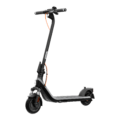
- Segway Ninebot F2 Plus
Segway Ninebot F2 Plus

- Battery Range: 55 km
- Top Speed: 25 km/h
- Motor Power: 400 W nominal
- Weight Capacity: 120 kg (265 lb)
- Charging Time: 8 hours
- Scooter Weight & Portability: 17.7 kg (net)
PROS
- Bigger 460 Wh battery with realistic range gains for daily routes
- Integrated indicators, TCS, and bright lighting for city visibility
- Tubeless self-sealing 10″ tyres reduce flats and maintenance
- Manageable 17.7 kg weight with quick, tidy fold
- App ecosystem with Apple Find My support
CONS
- No suspension; rough streets still feel rough
- Cruise control not present on many EU “E” versions
- Top speed capped to 25 km/h in many regions
- Hill power is good, not class-leading
What the F2 Plus is really trying to be
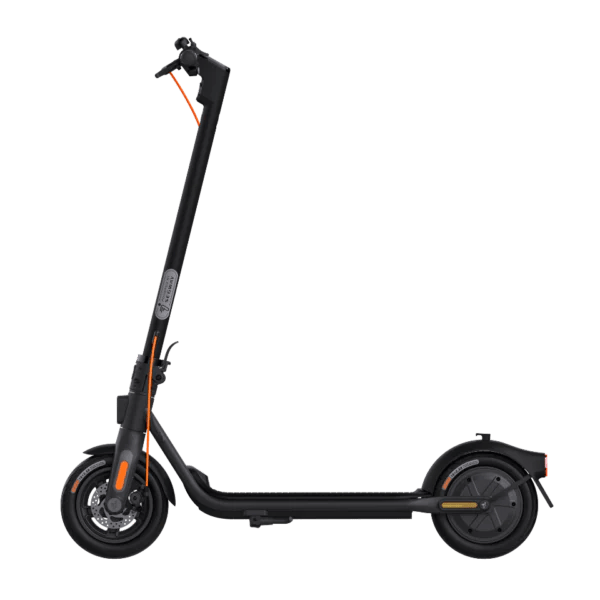
The Segway Ninebot F2 Plus aims for a clean, commuter-first balance. It adds meaningful endurance over the F2 while keeping weight and complexity in check. You get a bigger battery, identical chassis geometry, and the same modern safety cues: turn indicators, traction control, and strong lighting. Consequently, it feels familiar to F2 owners, yet it travels farther per charge. It also stays approachable for new riders who prefer calm acceleration to flashy torque spikes.
Where it fits in the Segway lineup
Segway crowds this bracket with three names: F2, F2 Plus, and F2 Pro. The F2 Plus sits squarely in the middle. It shares the base model’s simplicity, but it upgrades range. It also keeps the Pro’s headline features like indicators and TCS, minus the Pro’s suspension and higher max output. Therefore, it serves riders who want more stamina without adding extra weight, extra cost, or extra maintenance.
Battery and range: practical mileage that changes routines
The F2 Plus carries a 460 Wh pack, which is a notable step up from the F2. On flat routes and with steady speeds, it covers long commutes in one shot. Even when you ride briskly, it holds enough reserve for detours and errands. Because the pack is still a sensible size, charge times remain predictable. You can plug in after work and be ready for an evening loop. Over weeks, that predictability matters more than one-off peak numbers.
Charging habits that keep the pack healthy
Lithium batteries thrive on moderation. The F2 Plus rewards routine top-ups, mild temperatures, and avoiding deep drains. During the week, try to live between roughly one-third and four-fifths state of charge. Save full charges for longer rides or cold snaps. These habits sound fussy at first, yet they quickly become automatic. You’ll plug in while answering messages, then unplug when you grab your helmet.
Motor character: smooth over showy
On paper, the F2 Plus doesn’t chase outrageous figures. In practice, that choice improves daily control. The rear hub builds speed progressively, which helps in crowded bike lanes and busy intersections. Eco and Standard modes keep launches calm, while Sport adds punch without turning twitchy. Rear-drive traction also improves grip on dusty paint and damp patches. The result is confidence you can modulate with one thumb.
Speed where it matters
City flow usually lives between 20 and 25 km/h. That’s exactly the zone where the F2 Plus feels planted. The wheelbase and steering tune resist nervous wobbles, so your hands relax and your line stays clean. Side gusts and pavement seams won’t shake it off course. Consequently, longer bike-path stretches feel almost meditative. If your region allows higher caps, the chassis remains composed near the limiter.
Climbing and headwinds
Power delivery remains predictable on climbs. Short ramps vanish with a steady roll-on. Longer grades slow things, yet the scooter keeps momentum without surging. Into headwinds, Standard mode often strikes the best balance between speed and watt-hours. If rush hour demands quick merges, a tap into Sport helps, then you can drop back to a thriftier mode when the lane clears.
Comfort without suspension
The F2 Plus skips suspension to save weight and fuss. Instead, it leans on tyre volume, correct PSI, and steady geometry. Ten-inch, wide tubeless tyres soften expansion joints and seal tiny punctures before they ruin your morning. Keep pressure in spec and the ride feels supple for the class. The deck has room for a relaxed staggered stance, which keeps knees and hips happy on longer runs.
Steering that doesn’t nag you
Calm steering is the unsung hero of commuter comfort. Here, the F2 Plus tracks straight without begging for constant correction. Handlebar width gives leverage for quick adjustments, yet the front end resists twitch. Because the chassis sits at a sensible height, shoulder checks and hand signals don’t make it feel tippy. That stability builds trust faster than any single spec.
Braking you can rely on
A mechanical front disc combines with rear electronic regen to deliver predictable stopping. In dry conditions, the disc provides decisive bite with linear lever feel. In rain, regen smooths deceleration while the disc keeps authority. Cable checks are simple and pad wear is gradual, which makes maintenance rare and fast. Practice a few hard stops in a quiet lot to map your limits safely.
Visibility and signaling
Being seen is as important as seeing. The F2 Plus includes a bright headlight, a responsive tail/brake light, side reflectors, and front–rear turn indicators. Indicator buttons sit where your thumb expects them, so you won’t hunt mid-turn. At night, that electronic clarity beats hand signals. In winter twilight, it matters even more. Add a reflective strap, and drivers notice you sooner.
Traction Control that earns its keep
Segway’s TCS fine-tunes rear-wheel behavior on slick surfaces. It won’t change physics, but it helps on wet leaves, dusty paint, and tiny gravel. Crucially, it works quietly in the background. You set it once in the app, then you forget it—until the day you feel it prevent an awkward spin-up. For shoulder seasons, it’s a meaningful layer.
App and Apple Find My
The Segway–Ninebot app handles pairing, ride modes, vehicle lock, and firmware updates. It also lets you tweak acceleration behavior to match your routes. Apple Find My support adds location awareness for the moments you misplace the scooter. It is not a substitute for a solid lock around a fixed object, but it shortens searches and provides peace of mind when you step away.
Cruise control caveat
Some regions list cruise control across the F2 series, but EU pages explicitly mark the F2 Plus E without cruise. Firmware and local rules influence availability. If maintaining constant speed without your thumb matters to you, confirm on your regional model. Fortunately, the throttle is light and stable enough that many riders don’t miss cruise on flat paths.
Portability and the fold
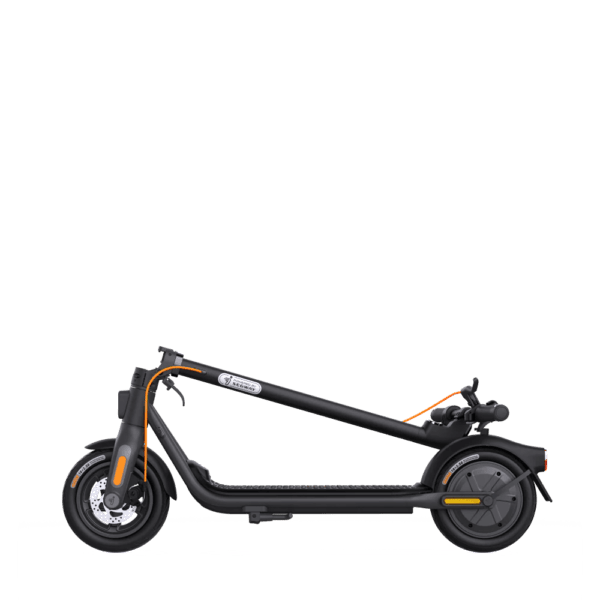
Commuters fold more than they think. The F2 Plus latch closes positively and opens cleanly at the curb. The folded footprint slides under desks or tucks beside a café table. At 17.7 kg, it’s manageable up a flight of stairs and tolerable on train platforms. Because weight sits close to your body when you carry it, your wrist suffers less than with front-heavy designs.
Daily routine and upkeep
Ownership should feel light. Check tyre pressure weekly. Give the lever a quick squeeze to confirm consistent travel. Spin each wheel to listen for rub. Inspect the folding hardware monthly and snug to spec if needed. Wipe the deck after wet rides. Update firmware only after skimming notes, and avoid beta curiosities when everything works. These habits take minutes and prevent headaches.
Durability that shows, not shouts
Durability reveals itself as the absence of drama. After months, the F2 Plus keeps rattles at bay and maintains a tight, quiet stem. The deck mat still grips in wet shoes. Cables route cleanly without sharp bends. Tubeless, self-sealing tyres shrug off tiny nails that would have ruined a Monday. You’ll still replace consumables eventually, but the intervals remain friendly.
Weather etiquette
Cities don’t pause for drizzle. Slow earlier on slick surfaces, brake sooner, and avoid leaning hard over paint. Expect winter range dips as temperatures fall. Plan a slightly earlier charge, choose a calmer mode, and keep pressure in spec. As seasons shift, a few PSI make a noticeable difference in comfort, grip, and range.
Accessories that actually help
A compact pump with a reliable gauge saves range and prevents pinch issues. A quick-release headlight upgrade improves night vision without wiring work. A small bell or electronic horn helps on shared paths. If you ride often in rain, a subtle fender extender reduces spray. A phone mount can aid navigation; voice prompts keep eyes up and hands steady.
Comparisons that clarify
Against the F2, the F2 Plus trades a small weight increase for a bigger battery and practical range gains. Versus the F2 Pro, it gives up front suspension and a bit of peak output, but it stays lighter and cheaper. Compared with long-range MAX models, it travels less on a single charge, yet it packs indicators, TCS, and easier portability. Your route and storage constraints should lead the choice.
Ideal riders and routes
Choose the F2 Plus if your daily loop sits in the 15–35 km window. It welcomes riders who value visibility, calm handling, and low-stress maintenance. Campus riders will love the extra battery headroom. City commuters will appreciate the indicators and TCS in dense traffic. Weekend riders can stretch park loops without outlet anxiety.
Value beyond the spec sheet
Value emerges over months. The F2 Plus trims hidden costs by reducing flats, simplifying checks, and shortening charge babysitting. It doesn’t chase extremes that fade after week two. Instead, it delivers consistency: it starts cleanly, rides predictably, signals clearly, and folds quickly. That steady reliability is what busy riders notice most.
Where it isn’t the right tool
If you grind up steep hills daily, you’ll want more sustained power. If your streets are broken and lumpy, active suspension earns its weight. If you crave high-speed blasts, a sport-tuned scooter will fit better. The F2 Plus can dabble in those worlds, yet it remains a commuter first. Knowing that truth helps you buy once and be happy.
Final verdict
The Segway Ninebot F2 Plus nails the commuter brief with extra range, modern safety cues, and approachable handling. It rewards steady routines, not flashy stunts. It also respects your time: fewer flats, fast folds, and predictable charging. If you want a scooter that simply works every weekday and still has weekend stamina, this middle child delivers.
Specifications
General
| Model The Model specifies the exact version or name of the scooter. It helps identify its unique design, features, and specifications within the manufacturer’s product line. Knowing the model makes it easier to compare options, find compatible accessories, or look up support information. | Ninebot F2 Plus (regional variants often labeled “F2 Plus E” / “F2 Plus D”) |
| Brand The Brand identifies the manufacturer or company that designs and produces the scooter. A trusted brand is a sign of quality, reliability, and good customer support. Well-known brands often have higher standards for safety, performance, and after-sales service, giving you more confidence in your purchase. | Segway |
| Release Date The Release Date indicates when the scooter model was officially launched on the market. This helps you know how current the design, technology, and features are. A newer release date often means updated components, improved performance, and the latest safety or smart features. | 01 January 2023 |
| Recommended Age Recommended Age indicates the minimum age range that the scooter is designed for, based on safety, size, and ease of use. Following the recommended age helps ensure that riders can handle the scooter’s speed, weight, and controls comfortably and safely. Always check local laws and use protective gear, especially for younger riders. | 16+ (per EU product page) |
Performance & Power
| Motor Power (Wattage) What it means: The motor power, measured in watts (W), shows how strong the scooter’s electric motor is. Why it matters: Higher wattage usually means better acceleration, more torque, and improved performance on hills or rough terrain. For example, a 250W motor is good for flat city roads and light riders, while a 500W or 1000W motor provides more power for faster speeds or climbing steep inclines. | 400 W nominal; 800 W max output |
| Top Speed The Top Speed indicates the maximum speed that the scooter can reach under optimal conditions. It’s usually measured on level ground with a fully charged battery and an average rider weight. A higher top speed allows you to travel longer distances faster, but always ensure you ride within legal speed limits and your personal comfort zone for safety. | 25 km/h (EU-limited); some regional pages list higher “up to 20 mph” marketing copy but specs show 25 km/h for “E” versions |
| Battery Capacity Battery Capacity refers to the total amount of energy the scooter’s battery can store, usually measured in ampere-hours (Ah) or watt-hours (Wh). A higher battery capacity means you can ride longer distances on a single charge, reducing the need for frequent recharging. Keep in mind that actual range can vary depending on rider weight, terrain, speed, and weather conditions. | 460 Wh (36 V) |
| Estimated Range per Charge The Estimated Range per Charge indicates the average distance the scooter can travel on a single full battery charge. This range is calculated under optimal conditions, such as flat terrain, moderate speed, and average rider weight. Real-world range may vary depending on riding style, terrain, weather, and load. A longer range means fewer recharges and greater freedom for longer trips. | Up to 55 km theoretical; ~40 km at max speed (manufacturer test conditions) |
| Hill Climb Ability Hill Climb Ability describes the maximum incline or slope that the scooter can handle while maintaining stable performance. It’s typically expressed as a percentage or in degrees. A higher hill climb rating means the scooter can tackle steeper hills without losing too much speed or power. Actual climbing performance may vary based on rider weight, battery charge, and terrain conditions. | up to 20% grade |
| Drive System The Drive System refers to how power from the motor is delivered to the wheels. Electric scooters typically use either a hub motor (directly integrated into the wheel) or a chain/belt drive system. A high-quality drive system ensures smooth acceleration, efficient power transfer, and low maintenance. The choice of drive system affects performance, noise level, and overall ride experience. | Rear-wheel hub motor (RWD) |
Charging & Electrical
| Charging Time Charging Time indicates how long it takes to fully recharge the scooter’s battery from empty to 100% using the standard charger provided. Faster charging means less downtime and more time on the road. Actual charging time may vary slightly depending on battery capacity, charger output, and environmental conditions. | ≈8 hours (from low state of charge) |
| Battery Type Battery Type refers to the specific technology used in the scooter’s battery, which affects performance, lifespan, weight, and charging time. Most modern electric scooters use high-quality lithium-ion (Li-ion) batteries because they offer a good balance of energy density, durability, and low maintenance. A reliable battery type ensures consistent power delivery and longer riding ranges. | Lithium-ion 36 V / 460 Wh with Smart BMS protections |
| Removable Battery A Removable Battery means the battery pack can be easily detached from the scooter for convenient charging and replacement. This feature allows you to charge the battery separately, swap it with a spare for extended range, or securely store it indoors in extreme weather. Removable batteries add flexibility and make it easier to keep your scooter powered up wherever you are. | No |
| Regenerative Braking Regenerative Braking is an energy-saving feature that converts some of the energy normally lost during braking back into battery power. When you slow down or brake, the motor works in reverse to generate electricity, which helps extend the scooter’s range and improves overall efficiency. This system also reduces wear on traditional brake components, leading to lower maintenance over time. | Yes |
| Lighting Lighting refers to the built-in front and rear lights that enhance visibility and safety when riding in low-light conditions or at night. Good lighting helps you see the road ahead and ensures that other road users can see you. Many scooters include LED headlights, taillights, and sometimes brake lights or side reflectors for added safety and compliance with local traffic regulations. | 2.1 W front LED headlight, rear/brake light, front–rear indicators; certified E-mark reflectors on EU units |
Build & Dimensions
| Scooter Weight Scooter Weight refers to the total weight of the scooter when fully assembled, including the battery. This affects how easy it is to carry, lift, and store the scooter when not in use. A lighter scooter is more portable and convenient for commuting, especially if you need to carry it upstairs or onto public transport. Keep in mind that a sturdy frame and quality components may add to the weight but also contribute to better durability and ride stability. | 17.7 kg (net) |
| Maximum Rider Weight Maximum Rider Weight indicates the highest rider weight that the scooter is designed to safely support while maintaining optimal performance and stability. Staying within this limit helps ensure reliable acceleration, braking, and climbing ability, and it protects the frame, suspension, and motor from excessive strain. Exceeding the recommended limit may reduce performance and increase wear on components. | 120 kg (265 lb) |
| Deck Size Deck Size refers to the dimensions of the scooter’s standing platform. A wider and longer deck provides more foot space, allowing you to stand comfortably and adjust your stance while riding. A well-sized deck improves balance and stability, especially on longer rides or at higher speeds. Compact decks, on the other hand, help keep the scooter lightweight and portable. | Not officially listed; same chassis family as F2 series (wider bars, long usable deck) |
| Handlebar Height Handlebar Height refers to the distance from the deck to the handlebars, which affects your riding posture and comfort. An appropriate handlebar height helps you maintain good balance, reduces strain on your back and arms, and makes steering more comfortable. Some scooters have adjustable handlebars to fit riders of different heights, while others have a fixed height for a streamlined design. | 1214 mm overall height (unfolded) |
| Folding Mechanism The Folding Mechanism describes how easily and securely the scooter can be folded for carrying and storage. A well-designed folding system lets you quickly collapse the scooter into a compact size, making it convenient to transport on public transit, store under a desk, or fit into a car trunk. Look for sturdy latches and safety locks to ensure the scooter stays firmly in place when folded or unfolded. | Yes |
| Dimensions Folded Dimensions indicate the size of the scooter when it’s fully folded. This measurement shows how much space the scooter will take up when stored or carried, making it easier to check if it will fit in your car trunk, under a desk, or in a closet. Compact folded dimensions are ideal for commuters who need to bring their scooter on public transport or store it in tight spaces. | 1143.5 × 570 × 484 mm; Unfolded: 1143.5 × 570 × 1214 mm |
| Material Material refers to the primary construction materials used for the scooter’s frame and key components. High-quality materials like aircraft-grade aluminum, reinforced steel, or durable composites provide strength, stability, and a lighter overall weight. A sturdy material ensures the scooter can handle daily wear and tear while maintaining safety and performance. | High-strength steel frame |
Safety & Control
| Brake Type(s) Brake Type(s) describe the braking systems the scooter uses to help you slow down or stop safely. Common brake types include mechanical brakes (like drum or disc brakes), electronic brakes, and foot brakes. Many scooters combine multiple braking systems for added safety and shorter stopping distances. The type and quality of brakes affect your control, especially when riding at higher speeds or on slopes. | Front disc + rear electronic regenerative (dual braking) |
| Suspension Suspension refers to the system that absorbs shocks and vibrations while riding, providing a smoother and more comfortable ride over uneven or rough surfaces. Scooters may have front suspension, rear suspension, or dual suspension for better shock absorption and stability. Good suspension helps reduce rider fatigue and improves control, especially when riding on bumpy roads or off-road paths. | None |
| Tire Type Tire Type refers to the kind of tires the scooter uses, which directly affects ride comfort, traction, and maintenance. Common types include solid (airless) tires, pneumatic (air-filled) tires, or hybrid options. Pneumatic tires offer better shock absorption and a smoother ride on rough surfaces, while solid tires are puncture-proof and require less upkeep. The right tire type helps ensure safe handling and a comfortable ride in different conditions. | Tubeless self-sealing pneumatic with jelly layer (low-maintenance puncture resistance) |
| Tire Size Tire Size indicates the diameter and width of the scooter’s tires, which affect ride comfort, stability, and how well the scooter handles different terrains. Larger tires generally offer better shock absorption and a smoother ride over bumps and rough surfaces, while smaller tires keep the scooter lighter and more portable. Choosing the right tire size helps ensure a balance between agility and comfort. | 10-inch front & rear |
| Kickstand The Kickstand is a built-in stand that allows you to park your scooter upright when it’s not in use. A sturdy kickstand keeps the scooter stable and prevents it from tipping over, protecting it from scratches and damage. It also makes storing and accessing your scooter more convenient, whether you’re at home, work, or on the go. | Yes |
| Water Resistance Rating Water Resistance Rating indicates how well the scooter is protected against water and moisture, usually shown as an IP (Ingress Protection) rating. This rating helps you understand whether the scooter can handle light rain, splashes, or wet roads without damage. While most scooters are not fully waterproof, a good water resistance rating adds peace of mind when riding in changing weather conditions. Always avoid deep puddles or submerging the scooter to protect its electrical components. | IPX5 body; icons show battery pack up to IPX7; ratings may vary by region/packaging |
Features & Extras
| Display/Console The Display (or Console) shows important real-time information about your ride, helping you monitor your scooter’s status at a glance. Typical displays show speed, battery level, distance traveled, and riding mode. Some models also include additional features like Bluetooth connectivity, app integration, or backlighting for better visibility at night. A clear and easy-to-read display enhances safety and convenience on every trip. | Color LED dashboard: speed, battery, modes, BT, indicator icons |
| Ride Modes Ride Modes refer to the different speed and power settings you can choose to match your riding style or road conditions. Common modes include eco for maximum range and energy efficiency, standard for everyday balance, and sport or turbo for higher speed and stronger acceleration. Switching between ride modes allows you to customize performance, conserve battery, and ride safely in various environments. | Eco / Standard (Drive) / Sport + Walk mode; app-tunable acceleration/speed caps |
| Smart App Connectivity Smart App Connectivity lets you pair your scooter with a dedicated mobile app via Bluetooth. Using the app, you can monitor real-time ride stats like speed, battery level, and range, adjust settings such as ride modes or cruise control, lock the scooter for added security, and sometimes receive firmware updates. This feature adds convenience and allows you to personalize your riding experience right from your smartphone. | Segway–Ninebot App (lock, stats, firmware, TCS toggle) + Apple Find My support |
| Anti-Theft System The Anti-Theft System helps protect your scooter from unauthorized use or theft. This feature can include built-in alarms, electronic motor locks, GPS tracking, or remote locking through a mobile app. A good anti-theft system provides peace of mind when parking your scooter in public spaces, adding an extra layer of security to safeguard your investment. | App motor lock; Apple Find My location once enabled |
| Cruise Control Cruise Control allows you to maintain a steady speed without continuously holding the throttle. This feature makes longer rides more comfortable by reducing hand fatigue and providing a smoother, more relaxed riding experience — especially on flat, open roads or bike lanes. For safety, cruise control can usually be easily activated or deactivated while riding. | Yes |
| Accessories Included Accessories Included lists the additional items that come with the scooter to enhance your riding experience and convenience. Common accessories may include a charger, kickstand, bell, lights, phone holder, or carrying strap. These extras add value by making your scooter safer, easier to use, and ready to ride straight out of the box. | Charger/cable, toolkit, user materials (typical package) |
Warranty & Compliance
| Warranty Period The Warranty Period indicates how long the manufacturer guarantees the scooter against defects in materials and workmanship under normal use. A good warranty provides peace of mind, showing the brand’s confidence in its product quality. Always check what parts are covered, such as the frame, battery, and motor, and follow the maintenance guidelines to keep your warranty valid. | EU pages highlight “2 years core components warranty messaging / 45+ tests”; retailer warranty terms vary by country |
| Certifications Certifications confirm that the scooter meets specific safety, quality, and environmental standards set by recognized organizations or regulatory bodies. Common certifications may include CE, RoHS, UL, or other local compliance marks, depending on your region. These certifications ensure that the scooter is manufactured to high standards and is safe and legal to use in your country. | EU E-mark reflectors/indicators; platform messaging includes safety testing and BMS protections; Apple Find My works-after enabling via app per Segway guidance. |