- Home
- Scooters
- Electric Scooters
- iScooter i14
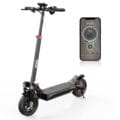
iScooter i14

- Battery Range: 34 miles (55 km)
- Top Speed: 28 mph (45 km/h)
- Motor Power: 800 W rear hub
- Weight Capacity: 264 lb (120 kg)
- Charging Time: ~6–7 h
- Scooter Weight: 64 lb (29.0 kg)
PROS
- 14″ pneumatic tires for stability
- Dual disc brakes + suspension
- Turn signals for visibility
- RWD traction for climbs
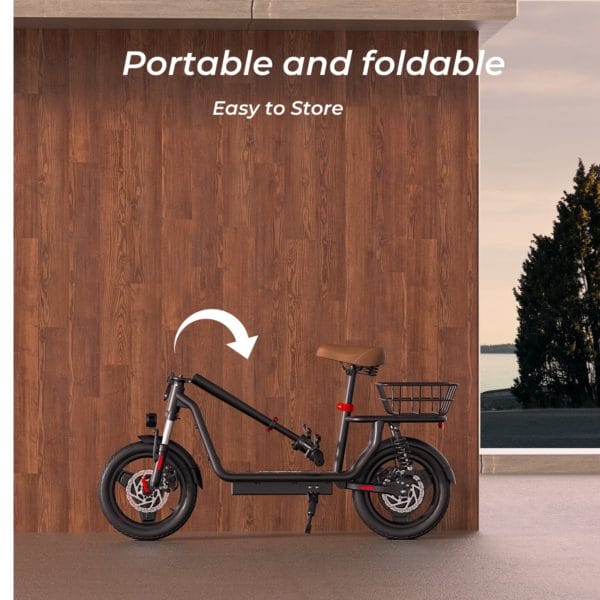
- Foldable frame
CONS
- Heavier than compact models
- Range varies with speed/temp
- Air tires need pressure care
- IP rating not listed

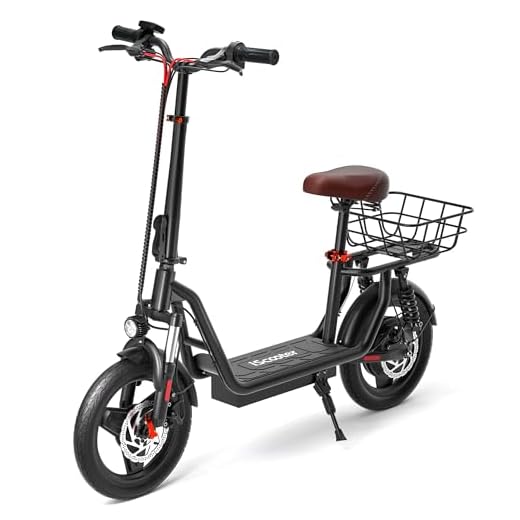
Table of contents
- What Is the iScooter i14?
- How the iScooter i14 Works
- Key Specifications
- Design & Build Quality
- Performance Fundamentals
- Battery, Range & Efficiency
- Ride Quality & Comfort
- Braking & Safety Features
- Portability & Daily Usability
- Maintenance & Care
- Weather & Seasonal Considerations
- iScooter i14 vs Alternatives
- Who the iScooter i14 Is (and Isn’t) For
- FAQs
- Glossary
- Final Thoughts
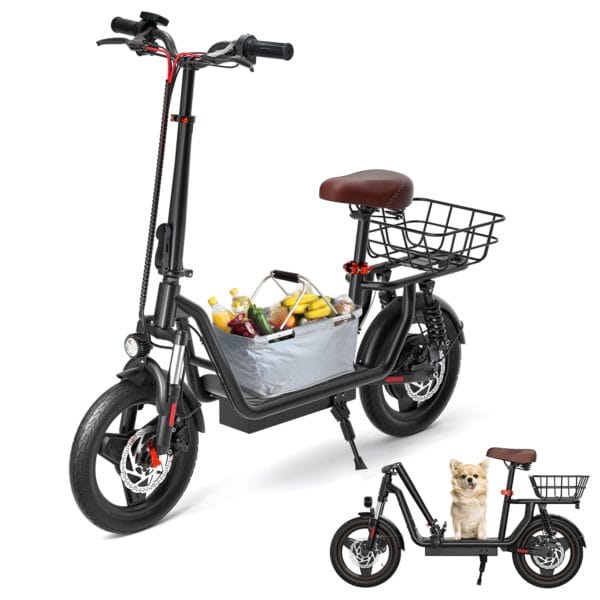
The iScooter i14 is a seated, 14-inch-wheel commuter scooter built for practical, everyday use. It combines a rear-wheel-drive 800 W motor, dual suspension, and dual disc brakes with the convenience of a seat and rear basket. Because it favors comfort and utility over flash, it suits new riders, students, and commuters who want stable handling, predictable controls, and simple upkeep.
What Is the iScooter i14?
At its core, the iScooter i14 is a compact sit-down electric scooter designed to replace short car trips and make local errands easier. Unlike narrow-deck stand-up models, it uses larger 14-inch pneumatic tires to smooth out cracks and seams, and it includes a seat and rear rack/basket to carry a backpack or groceries. Moreover, the scooter folds for storage and fits in most apartment hallways or car trunks. Because the platform prioritizes comfort and stability, it’s a natural step up from shared scooters for riders who want a calmer ride and a built-in place to sit.
How the iScooter i14 Works
Think of an electric scooter as a small, quiet motorcycle with simplified parts.
- Motor: A hub motor sits inside the rear wheel. When you push the throttle, the controller feeds current to the motor, which turns the wheel. Rear-wheel drive helps traction during starts and on gentle climbs because the rider’s weight is over the driven tire.
- Controller: The controller is the scooter’s “brain.” It meters battery power to the motor and enforces limits to protect electronics. Additionally, it coordinates the display, throttle response, and safety cut-offs so the scooter feels consistent.
- Battery: A lithium-ion pack stores energy under the deck. Nominal voltage is in the 48 V class (54.6 V at full charge), paired with a 10 Ah capacity. In practice, that’s roughly 480 Wh of usable energy, plenty for a day of mixed city use.
- Throttle: A thumb or twist throttle sends a signal to the controller. As you roll on, power ramps smoothly. Most riders prefer a gentle initial response for parking-lot starts and a stronger mid-pull for merging into bike-lane traffic; this scooter aims right for that middle ground.
- Brakes: Dual disc brakes—one at each wheel—provide mechanical stopping power. When you squeeze the levers, calipers pinch steel rotors to scrub speed. The levers also trigger a motor cut-off, which removes drive power while braking.
Altogether, the system behaves a lot like a modest moped: twist to go, squeeze to slow, and keep the tires inflated for a comfortable, predictable ride.
Key Specifications
| Block | Item | Detail |
|---|---|---|
| General | Model | iScooter i14 |
| Age Recommendation | 14+ years | |
| Max Load | 264 lb (≈ 120 kg) | |
| Performance & Power | Motor | 800 W rear-hub |
| Max Speed | up to 28 mph (≈ 45 km/h) | |
| Max Slope | up to 15% grades (condition-dependent) | |
| Battery, Charging & Electrical | Battery | 48 V class, 10 Ah (≈ 480 Wh nominal); 54.6 V max charge |
| Charger | 54.6 V, 1.5 A | |
| Charge Time | ~6–7 hours | |
| Build & Dimensions | Frame | Foldable step-through with seat + rear rack/basket |
| Wheels/Tires | 14-inch pneumatic (≈ 356 mm) | |
| Net Weight | 64 lb (≈ 29 kg) | |
| Unfolded (L×W×H) | 51.2 × 23.7 × 48.4 in (≈ 130.0 × 60.2 × 122.9 cm) | |
| Folded (L×W×H) | 51.2 × 23.7 × 25.6 in (≈ 130.0 × 60.2 × 65.0 cm) | |
| Safety & Control | Brakes | Dual disc brakes (front + rear); drive cut-off on brake pull |
| Lighting | Front white headlight; rear red tail light; turn signals | |
| Features & Extras | Display & Modes | Multi-function LCD; ECO/TOUR/SPORT modes; mph/km/h toggle |
| Connectivity | App support for settings like zero-start (availability varies) | |
| Cruise Control | Not specified by the manufacturer | |
| Included | Seat, rear basket/rack, tools, inner tube, charger | |
| Warranty & Compliance | Warranty | 12-month limited warranty (typical brand policy) |
| Water Resistance | Not specified (avoid standing water) | |
| Note | Check local regulations for e-scooter use and speed limits |
Specs are based on the manufacturer’s published materials.
Design & Build Quality
The iScooter i14 emphasizes practical comfort. The frame uses a step-through layout, which lets you mount the seat without swinging a leg over a tall deck. Because the 14-inch pneumatic tires have a larger diameter than typical commuter scooters, they roll more smoothly over expansion joints, driveway lips, and patched asphalt. The dual suspension—front and rear—further filters sharp hits, so the seat remains calm even on worn bike lanes.
Fit-and-finish target everyday utility. The deck is flat and clear of protrusions, so you can plant your feet naturally at stops. Meanwhile, the rear rack and basket give you ready cargo capacity without straps, and the integrated kickstand supports the scooter when loading or unloading. Cable routing stays tidy along the stem and frame, allowing simple access for routine checks. Finally, the folding mechanism uses a straightforward latch, which makes it easy to collapse the scooter for hallway storage or trunk transport.
Performance Fundamentals
On level ground, the iScooter i14 builds speed in a measured way. Starts feel smooth rather than abrupt, which helps riders maintain balance from a dead stop. Because the motor sits in the rear wheel, traction is dependable when the seat places your weight over the driven tire. Furthermore, cruising is easy to hold; the scooter settles into a steady pace without hunting for speed.
On moderate grades—think neighborhood hills around 7–10%—expect a more deliberate climb. The 800 W hub favors efficiency and consistency over brute force, so it will crest most short hills while seated, provided you maintain momentum. On longer inclines, you may notice a gradual drop in speed; shifting to a lower mode reduces current draw and keeps the system cooler. This calm, predictable behavior is ideal for new riders, because it trades a little snap for better control.
High-speed stability is helped by the larger wheels and the seated posture. The front end feels settled at commuter speeds, and the long wheelbase keeps the scooter tracking straight. Nevertheless, you should keep both hands on the bars above about 18–20 mph (29–32 km/h), especially across pavement seams or when crosswinds pick up.
Battery, Range & Efficiency
The i14’s battery sits in the 48 V, 10 Ah class, with a full-charge voltage of 54.6 V. In practical terms, that equates to roughly 480 Wh of nominal energy. Under calm riding in ECO or TOUR mode, many riders will cover a day’s errands on one charge. However, range always depends on variables you can control:
- Rider mass and cargo: Heavier loads require more energy per mile.
- Speed and acceleration: Higher speeds and frequent full-throttle pulls increase consumption.
- Terrain and grade: Climbing hills consumes energy quickly; descending recovers none (no regen is claimed).
- Tire pressure: Under-inflated tires waste energy as heat and dull steering feel.
- Temperature: Cold weather thickens lubricants and reduces battery output; hot weather triggers thermal limits.
A sensible approach is to plan for a conservative real-world range, then stretch it with light throttle and ECO mode when needed. As a rule of thumb, charge between 20% and 80% for day-to-day use if you ride daily; do a full charge before longer weekend trips. Because the included charger outputs 1.5 A, a near-empty pack typically refills in 6–7 hours. That slow, gentle rate is kind to the cells.
For practical planning, it also helps to understand how rated capacity translates to rider-plus-cargo mass; see Weight Capacity vs Real Load for a clear breakdown.
Ride Quality & Comfort
Comfort is the i14’s calling card. The 14-inch pneumatic tires work like small air springs, so they mute sharp chatter that would bother your hands or lower back on smaller, solid-tire scooters. Meanwhile, the seat takes weight off your knees and ankles during longer errands, and the rear rack keeps heavy items low and centered.
The suspension tune leans toward compliance. Over brickwork or rough patching, the chassis stays composed with only mild oscillation. Stem flex is restrained due to the shorter seated cockpit, which places your hands closer to the steering axis. As a result, the scooter tracks straight without wobble when you look over your shoulder or signal a turn. For best results, maintain tire pressures within the recommended range; too soft and the steering will feel vague, too hard and small bumps will come back through the bars.
Braking & Safety Features
Dual disc brakes provide predictable, linear stopping power. Initial lever travel is light, and bite firms up around mid-pull, which helps modulate speed in traffic. Because the system cuts motor drive when you brake, there’s no push against the calipers as you slow. On wet roads, start braking earlier and straighten the bars before heavy lever pressure; the large-diameter tires help, but traction still depends on surface grip.
Lighting is a strong point for visibility. A front white headlight illuminates the path ahead, while a red tail light makes you more visible from behind. Turn signals add communication in bike lanes and shared paths. Even so, add high-visibility clothing or a reflective ankle band at night, and consider a brighter helmet-mounted light for unlit routes.
The manufacturer does not list an IP rating for water resistance. Therefore, avoid riding through standing water, power-washing the deck, or charging in damp conditions. Wipe the scooter down after rain and let connectors dry before plugging in.
Portability & Daily Usability
For a seated scooter with big wheels, the iScooter i14 remains manageable. At 64 lb (≈ 29 kg), it’s carryable up a short flight of stairs if needed, though most riders will roll it by the bars. The folded package measures roughly 51.2 × 23.7 × 25.6 in (≈ 130.0 × 60.2 × 65.0 cm), so it slides against a garage wall or the back of a small SUV. The latch is simple and quick, which matters when you fold and unfold several times per day.
In daily use, the seat and basket shine. You can make grocery runs without a backpack and keep your center of gravity low. Add a small cable or U-lock for short stops, and always lock to a fixed object where permitted. Finally, adopt the habit of removing accessories and valuables when you park; baskets are convenient but visible.
Maintenance & Care
Electric scooters reward light, regular care far more than occasional heavy wrenching. A simple schedule keeps the i14 quiet and safe:
- Before each ride:
- Quick bolt check on the stem latch, handlebar clamp, and rack mounts.
- Brake lever squeeze to confirm bite and return.
- Tire pressure check by thumb feel; use a gauge weekly.
- Weekly:
- Inflate tires to the manufacturer’s recommended PSI range for your weight and cargo.
- Wipe down the frame; clean grit from calipers and rotors.
- Monthly:
- Inspect brake pads for wear and even alignment; adjust cable tension if the lever pulls too close to the grip.
- Check for play at the stem pivot and rack fasteners; re-torque hardware as needed.
- Review display settings and riding modes; update app firmware only when release notes are clear and relevant.
- Seasonally:
- Inspect the tires for embedded debris and replace tubes if punctures become frequent.
- Clean and protect electrical connectors with a light contact spray.
- Balance the battery by charging to full and resting on the charger for 30–60 minutes, then unplugging.
Store the scooter in a cool, dry place. If you pause riding for several weeks, leave the battery around 40–60% and top up monthly. Avoid leaving the pack at 0% or 100% for extended periods.
Weather & Seasonal Considerations
Weather affects both traction and range, so ride with a season-smart plan.
- Rain: Slow down and increase following distance. Brake early, straighten the bars, and avoid paint lines and metal covers. Dry the scooter after arriving and check that the brakes remain quiet and consistent.
- Cold: Batteries deliver less current in cold air, so expect reduced range and punch. Start in ECO mode for the first few minutes to warm the pack, then switch to TOUR or SPORT as needed. Keep the scooter indoors before riding if possible.
- Heat: High temperatures accelerate wear. Park in the shade, avoid repeated full-throttle hill climbs, and let the scooter cool before charging. If the display warns about temperature, step off and rest the system.
- Wind: Headwinds sap energy; tailwinds extend it. Plan an alternate, more sheltered route on blustery days and keep a margin of battery to return.
iScooter i14 vs Alternatives
In the broad scooter landscape, models tend to cluster into four groups: compact commuters, comfort commuters, performance scooters, and off-road rigs. The iScooter i14 lands squarely in the “comfort commuter” corner.
- Where the i14 excels:
- Seated comfort with large pneumatic tires for rough bike lanes.
- Calm manners at neighborhood speeds and predictable starts.
- Built-in cargo with a rear rack/basket, ideal for errands.
- Straightforward maintenance: brake pads, inner tubes, cables.
- Where a different class might fit better:
- Compact commuters if you must carry the scooter upstairs daily.
- Performance scooters if you need rapid acceleration or frequent steep hill climbs.
- Off-road scooters if you ride gravel or trails and want long-travel suspension.
If you prize comfort, cargo, and simplicity, the i14’s seated layout and big wheels make daily life easier. If you’re chasing speed or plan to climb long, steep hills, consider a more powerful class.
Who the iScooter i14 Is (and Isn’t) For
Great for:
- First-time owners who want stability, a seat, and easy controls.
- Students and city commuters who value comfort over minimal weight.
- Multi-modal travelers who roll short distances to transit, then fold and store.
- Riders who run errands and prefer a basket to a backpack.
Less ideal for:
- Walk-up apartment dwellers who must carry a scooter upstairs every day.
- Riders who expect sport-bike acceleration or frequent climbs above 10% grades.
- Anyone who needs a certified water-resistance rating for heavy-rain riding.
FAQs
1) How fast is the iScooter i14?
It’s rated for up to 28 mph (≈ 45 km/h) in ideal conditions. Real-world speeds vary with rider weight, road grade, and local limits.
2) How far can it go on one charge?
Under calm riding, the headline figure is up to 34 miles (≈ 55 km). Expect less with hills, cold temperatures, higher speeds, or heavy cargo.
3) Can I ride the iScooter i14 in the rain?
The brand does not publish an IP rating for this model. Therefore, avoid standing water, slow down in wet conditions, and dry the scooter after rides.
4) Does it have cruise control?
Cruise control is not specified by the manufacturer. Maintain steady throttle or use a comfortable mode for consistent speed.
5) What tire type does it use?
It uses 14-inch pneumatic (air-filled) tires, which improve comfort and grip compared to solid tires. Keep them properly inflated.
6) Is there an app for settings?
Yes, there is app connectivity for settings like zero-start on compatible units. Features can vary by production run and region.
7) Where can I find an iScooter i14 overview in one place?
Right here—this iScooter i14 overview collects the key specs, setup tips, and daily-use guidance in a single article.
Glossary
- Ah (Amp-hours): Battery capacity measure; higher Ah usually means longer range.
- Wh (Watt-hours): Energy content (Volts × Amp-hours); a clearer indicator of range.
- Controller: The electronic unit that manages power delivery and safety limits.
- Hub Motor: A motor built into the wheel hub; simple and quiet.
- Rear-Wheel Drive (RWD): Power to the rear wheel; aids traction during starts.
- Throttle: The control that commands motor power—thumb or twist.
- ECO/TOUR/SPORT Modes: Preset power limits and throttle response options.
- Stem Flex: Small elastic movement at the handlebar stem under load.
- Regen (Regenerative Braking): Using the motor to slow and recharge; not claimed here.
- Disc Brake: A caliper squeezes a rotor to slow the wheel.
- Pneumatic Tire: Air-filled tire that cushions bumps; requires proper inflation.
- Nominal Voltage: Mid-pack voltage used to estimate energy (e.g., ~48 V).
- IP Rating: Ingress Protection code for dust/water; not specified for this model.
- Zero-Start: Ability to start from a stop without kicking; often adjustable in settings.
- Cut-Off (Brake): Electronic disable of drive power while braking.
Final Thoughts
The iScooter i14 focuses on what matters for daily riders: confidence at low speeds, big-wheel comfort, and practical storage. It doesn’t chase extreme acceleration or off-road capability, and that’s the point. Because it balances stable handling with straightforward care, it’s a smart pick for riders who value simple, useful transport over spec-sheet bragging rights.
Specifications
General
| Model The Model specifies the exact version or name of the scooter. It helps identify its unique design, features, and specifications within the manufacturer’s product line. Knowing the model makes it easier to compare options, find compatible accessories, or look up support information. | i14 |
| Brand The Brand identifies the manufacturer or company that designs and produces the scooter. A trusted brand is a sign of quality, reliability, and good customer support. Well-known brands often have higher standards for safety, performance, and after-sales service, giving you more confidence in your purchase. | iScooter |
| Release Date The Release Date indicates when the scooter model was officially launched on the market. This helps you know how current the design, technology, and features are. A newer release date often means updated components, improved performance, and the latest safety or smart features. | 27 November 2025 |
| Recommended Age Recommended Age indicates the minimum age range that the scooter is designed for, based on safety, size, and ease of use. Following the recommended age helps ensure that riders can handle the scooter’s speed, weight, and controls comfortably and safely. Always check local laws and use protective gear, especially for younger riders. | Recommended 14+ |
Performance & Power
| Motor Power (Wattage) What it means: The motor power, measured in watts (W), shows how strong the scooter’s electric motor is. Why it matters: Higher wattage usually means better acceleration, more torque, and improved performance on hills or rough terrain. For example, a 250W motor is good for flat city roads and light riders, while a 500W or 1000W motor provides more power for faster speeds or climbing steep inclines. | 800 W rear hub motor |
| Top Speed The Top Speed indicates the maximum speed that the scooter can reach under optimal conditions. It’s usually measured on level ground with a fully charged battery and an average rider weight. A higher top speed allows you to travel longer distances faster, but always ensure you ride within legal speed limits and your personal comfort zone for safety. | 28 mph (45 km/h) |
| Battery Capacity Battery Capacity refers to the total amount of energy the scooter’s battery can store, usually measured in ampere-hours (Ah) or watt-hours (Wh). A higher battery capacity means you can ride longer distances on a single charge, reducing the need for frequent recharging. Keep in mind that actual range can vary depending on rider weight, terrain, speed, and weather conditions. | 54.6 V 10 Ah |
| Estimated Range per Charge The Estimated Range per Charge indicates the average distance the scooter can travel on a single full battery charge. This range is calculated under optimal conditions, such as flat terrain, moderate speed, and average rider weight. Real-world range may vary depending on riding style, terrain, weather, and load. A longer range means fewer recharges and greater freedom for longer trips. | 34 miles (55 km) |
| Hill Climb Ability Hill Climb Ability describes the maximum incline or slope that the scooter can handle while maintaining stable performance. It’s typically expressed as a percentage or in degrees. A higher hill climb rating means the scooter can tackle steeper hills without losing too much speed or power. Actual climbing performance may vary based on rider weight, battery charge, and terrain conditions. | 15% grade |
| Drive System The Drive System refers to how power from the motor is delivered to the wheels. Electric scooters typically use either a hub motor (directly integrated into the wheel) or a chain/belt drive system. A high-quality drive system ensures smooth acceleration, efficient power transfer, and low maintenance. The choice of drive system affects performance, noise level, and overall ride experience. | Rear wheel drive (RWD) |
Charging & Electrical
| Charging Time Charging Time indicates how long it takes to fully recharge the scooter’s battery from empty to 100% using the standard charger provided. Faster charging means less downtime and more time on the road. Actual charging time may vary slightly depending on battery capacity, charger output, and environmental conditions. | Approx. 6–7 hours |
| Battery Type Battery Type refers to the specific technology used in the scooter’s battery, which affects performance, lifespan, weight, and charging time. Most modern electric scooters use high-quality lithium-ion (Li-ion) batteries because they offer a good balance of energy density, durability, and low maintenance. A reliable battery type ensures consistent power delivery and longer riding ranges. | Lithium-ion pack |
| Removable Battery A Removable Battery means the battery pack can be easily detached from the scooter for convenient charging and replacement. This feature allows you to charge the battery separately, swap it with a spare for extended range, or securely store it indoors in extreme weather. Removable batteries add flexibility and make it easier to keep your scooter powered up wherever you are. | Non-removable internal battery (fixed pack) |
| Regenerative Braking Regenerative Braking is an energy-saving feature that converts some of the energy normally lost during braking back into battery power. When you slow down or brake, the motor works in reverse to generate electricity, which helps extend the scooter’s range and improves overall efficiency. This system also reduces wear on traditional brake components, leading to lower maintenance over time. | Not specified (regen not listed) |
| Lighting Lighting refers to the built-in front and rear lights that enhance visibility and safety when riding in low-light conditions or at night. Good lighting helps you see the road ahead and ensures that other road users can see you. Many scooters include LED headlights, taillights, and sometimes brake lights or side reflectors for added safety and compliance with local traffic regulations. | Front white light + red tail light + turn signals |
Build & Dimensions
| Scooter Weight Scooter Weight refers to the total weight of the scooter when fully assembled, including the battery. This affects how easy it is to carry, lift, and store the scooter when not in use. A lighter scooter is more portable and convenient for commuting, especially if you need to carry it upstairs or onto public transport. Keep in mind that a sturdy frame and quality components may add to the weight but also contribute to better durability and ride stability. | 64 lb (29.0 kg) |
| Maximum Rider Weight Maximum Rider Weight indicates the highest rider weight that the scooter is designed to safely support while maintaining optimal performance and stability. Staying within this limit helps ensure reliable acceleration, braking, and climbing ability, and it protects the frame, suspension, and motor from excessive strain. Exceeding the recommended limit may reduce performance and increase wear on components. | 264 lb (120 kg) |
| Deck Size Deck Size refers to the dimensions of the scooter’s standing platform. A wider and longer deck provides more foot space, allowing you to stand comfortably and adjust your stance while riding. A well-sized deck improves balance and stability, especially on longer rides or at higher speeds. Compact decks, on the other hand, help keep the scooter lightweight and portable. | Seat-ready chassis; stable stance |
| Handlebar Height Handlebar Height refers to the distance from the deck to the handlebars, which affects your riding posture and comfort. An appropriate handlebar height helps you maintain good balance, reduces strain on your back and arms, and makes steering more comfortable. Some scooters have adjustable handlebars to fit riders of different heights, while others have a fixed height for a streamlined design. | Fixed bar height |
| Folding Mechanism The Folding Mechanism describes how easily and securely the scooter can be folded for carrying and storage. A well-designed folding system lets you quickly collapse the scooter into a compact size, making it convenient to transport on public transit, store under a desk, or fit into a car trunk. Look for sturdy latches and safety locks to ensure the scooter stays firmly in place when folded or unfolded. | Quick fold |
| Dimensions Folded Dimensions indicate the size of the scooter when it’s fully folded. This measurement shows how much space the scooter will take up when stored or carried, making it easier to check if it will fit in your car trunk, under a desk, or in a closet. Compact folded dimensions are ideal for commuters who need to bring their scooter on public transport or store it in tight spaces. | Unfolded 51.2 × 23.7 × 48.4 in; folded size not specified |
| Material Material refers to the primary construction materials used for the scooter’s frame and key components. High-quality materials like aircraft-grade aluminum, reinforced steel, or durable composites provide strength, stability, and a lighter overall weight. A sturdy material ensures the scooter can handle daily wear and tear while maintaining safety and performance. | Not specified |
Safety & Control
| Brake Type(s) Brake Type(s) describe the braking systems the scooter uses to help you slow down or stop safely. Common brake types include mechanical brakes (like drum or disc brakes), electronic brakes, and foot brakes. Many scooters combine multiple braking systems for added safety and shorter stopping distances. The type and quality of brakes affect your control, especially when riding at higher speeds or on slopes. | Dual disc (mechanical) |
| Suspension Suspension refers to the system that absorbs shocks and vibrations while riding, providing a smoother and more comfortable ride over uneven or rough surfaces. Scooters may have front suspension, rear suspension, or dual suspension for better shock absorption and stability. Good suspension helps reduce rider fatigue and improves control, especially when riding on bumpy roads or off-road paths. | Front & rear dual suspension |
| Tire Type Tire Type refers to the kind of tires the scooter uses, which directly affects ride comfort, traction, and maintenance. Common types include solid (airless) tires, pneumatic (air-filled) tires, or hybrid options. Pneumatic tires offer better shock absorption and a smoother ride on rough surfaces, while solid tires are puncture-proof and require less upkeep. The right tire type helps ensure safe handling and a comfortable ride in different conditions. | Pneumatic tires |
| Tire Size Tire Size indicates the diameter and width of the scooter’s tires, which affect ride comfort, stability, and how well the scooter handles different terrains. Larger tires generally offer better shock absorption and a smoother ride over bumps and rough surfaces, while smaller tires keep the scooter lighter and more portable. Choosing the right tire size helps ensure a balance between agility and comfort. | 14-inch |
| Kickstand The Kickstand is a built-in stand that allows you to park your scooter upright when it’s not in use. A sturdy kickstand keeps the scooter stable and prevents it from tipping over, protecting it from scratches and damage. It also makes storing and accessing your scooter more convenient, whether you’re at home, work, or on the go. | Side kickstand |
| Water Resistance Rating Water Resistance Rating indicates how well the scooter is protected against water and moisture, usually shown as an IP (Ingress Protection) rating. This rating helps you understand whether the scooter can handle light rain, splashes, or wet roads without damage. While most scooters are not fully waterproof, a good water resistance rating adds peace of mind when riding in changing weather conditions. Always avoid deep puddles or submerging the scooter to protect its electrical components. | Not specified |
Features & Extras
| Display/Console The Display (or Console) shows important real-time information about your ride, helping you monitor your scooter’s status at a glance. Typical displays show speed, battery level, distance traveled, and riding mode. Some models also include additional features like Bluetooth connectivity, app integration, or backlighting for better visibility at night. A clear and easy-to-read display enhances safety and convenience on every trip. | LCD dashboard (speed, battery level, battery voltage, odometer/trip, error codes) |
| Ride Modes Ride Modes refer to the different speed and power settings you can choose to match your riding style or road conditions. Common modes include eco for maximum range and energy efficiency, standard for everyday balance, and sport or turbo for higher speed and stronger acceleration. Switching between ride modes allows you to customize performance, conserve battery, and ride safely in various environments. | 3 riding modes (ECO / TOUR / SPORT) |
| Smart App Connectivity Smart App Connectivity lets you pair your scooter with a dedicated mobile app via Bluetooth. Using the app, you can monitor real-time ride stats like speed, battery level, and range, adjust settings such as ride modes or cruise control, lock the scooter for added security, and sometimes receive firmware updates. This feature adds convenience and allows you to personalize your riding experience right from your smartphone. | Minibot app (Zero Start toggle; app connectivity) |
| Anti-Theft System The Anti-Theft System helps protect your scooter from unauthorized use or theft. This feature can include built-in alarms, electronic motor locks, GPS tracking, or remote locking through a mobile app. A good anti-theft system provides peace of mind when parking your scooter in public spaces, adding an extra layer of security to safeguard your investment. | Keyed ignition (power key) |
| Cruise Control Cruise Control allows you to maintain a steady speed without continuously holding the throttle. This feature makes longer rides more comfortable by reducing hand fatigue and providing a smoother, more relaxed riding experience — especially on flat, open roads or bike lanes. For safety, cruise control can usually be easily activated or deactivated while riding. | Not listed by manufacturer (no official cruise-control mention) |
| Accessories Included Accessories Included lists the additional items that come with the scooter to enhance your riding experience and convenience. Common accessories may include a charger, kickstand, bell, lights, phone holder, or carrying strap. These extras add value by making your scooter safer, easier to use, and ready to ride straight out of the box. | In the box: i14 electric scooter, 54.6V 1.5A charger, T Allen wrench, combination wrench, inner tube, user manual |
Warranty & Compliance
| Warranty Period The Warranty Period indicates how long the manufacturer guarantees the scooter against defects in materials and workmanship under normal use. A good warranty provides peace of mind, showing the brand’s confidence in its product quality. Always check what parts are covered, such as the frame, battery, and motor, and follow the maintenance guidelines to keep your warranty valid. | 12 months (region-dependent) |
| Certifications Certifications confirm that the scooter meets specific safety, quality, and environmental standards set by recognized organizations or regulatory bodies. Common certifications may include CE, RoHS, UL, or other local compliance marks, depending on your region. These certifications ensure that the scooter is manufactured to high standards and is safe and legal to use in your country. | Local micromobility compliance |
Price Comparison