- Home
- Scooters
- Electric Scooters
- Unagi Model One Voyager (E500)
Unagi Model One Voyager (E500)


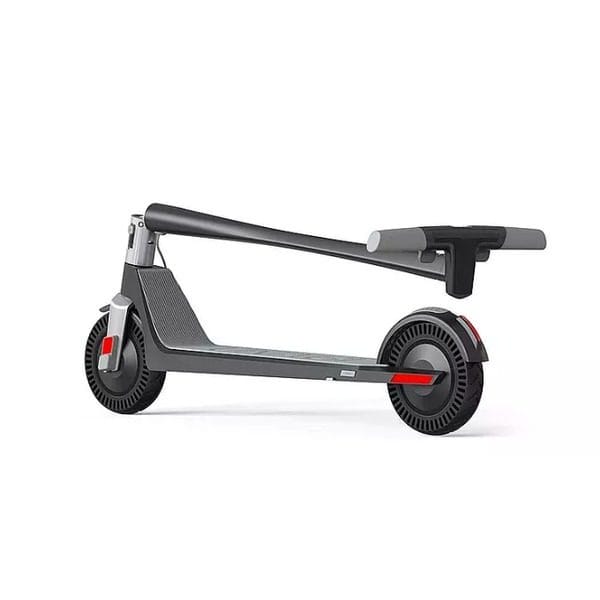

- Battery Range: 25 miles (40 km)
- Top Speed: 20 mph (32 km/h)
- Motor Power: 2 × 250 W dual hubs
- Weight Capacity: 220 lb (100 kg)
- Charging Time: ~4–5 h
- Scooter Weight: Not specified
PROS
- Dual-motor 2×250 W drive
- 20 mph (32 km/h) top speed
- Iconic lightweight design
- Solid 7.5″ puncture-proof tires
- Clean one-click folding
CONS
- Solid tires ride firm
- No mechanical disc brake
- Some battery specs not published
- Premium pricing
Table of contents
- What Is the Unagi Model One Voyager (E500)?
- How the Unagi Model One Voyager (E500) Works
- Key Specifications
- Design & Build Quality
- Performance Fundamentals
- Battery, Range & Efficiency
- Ride Quality & Comfort
- Braking & Safety Features
- Portability & Daily Usability
- Maintenance & Care
- Weather & Seasonal Considerations
- Unagi Model One Voyager (E500) vs Alternatives
- Who the Unagi Model One Voyager (E500) Is (and Isn’t) For
- FAQs
- Glossary
- Final Notes on Fit and Trade-offs
The Unagi Model One Voyager (E500) is a compact, dual-motor commuter scooter built for easy carrying, fast starts, and short-to-medium urban trips. It keeps the sleek shape of the original Model One, yet it doubles practical range and cuts charge time dramatically. If you want a premium-feeling last-mile ride that you can lift with one hand and store under a desk, this is the one to shortlist.
What Is the Unagi Model One Voyager (E500)?
At its core, the Model One Voyager (E500) is Unagi’s lightweight flagship. It keeps the brand’s signature magnesium handlebar, carbon-fiber stem, and aluminum deck, and it adds a higher-energy battery, a smarter controller, and a companion app. You still get two 250-watt hub motors (front and rear). However, the power system has been tuned for stronger torque and better efficiency. The result is quick launches at lights, smooth cruising on flat city streets, and enough punch for typical urban hills.
Although slim, the Voyager is not a toy. The electronic braking system, rigid deck, and anti-flat solid tires are all chosen for daily predictability and minimal upkeep. Because it folds in a single click and weighs under 30 lb, it fits multi-modal commutes—think tram, rideshare, or office elevator—without drama.
How the Unagi Model One Voyager (E500) Works
Think of the Voyager as a tiny, silent EV you can carry.
- Motors. Each wheel houses a 250 W brushless hub motor. Together they deliver 500 W nominal and up to 1,000 W peak, so starts feel brisk. Dual-motor mode pulls harder from a standstill or up an incline.
- Controller. A compact controller regulates motor output and blends braking. It manages power delivery so acceleration feels precise, not jerky. You can switch between single-motor and dual-motor modes to trade energy use for power.
- Battery. A 360 Wh pack sits inside the deck with a custom battery-management system (BMS). The pack is tuned for low weight, long cycle life, and quick charging.
- Throttle. A thumb lever on the right controls speed. Press lightly to ease away. Press farther to accelerate faster.
- Brakes. A matching thumb lever on the left governs dual electronic anti-lock brakes (E-ABS). A foot-operated rear fender adds a simple friction brake for riders who prefer a classic feel or want extra stopping force.
If you have driven a modern EV, the logic is similar: smooth torque, one-finger controls, and silent operation. The Voyager compresses that idea into a slim scooter format.
Key Specifications
Values are manufacturer-published unless noted. US-first units with metric in parentheses.
| Block | Details |
|---|---|
| General | Category: Lightweight dual-motor commuter; App-enabled; One-click folding; Solid rubber 7.5 in (190 mm) tires |
| Performance & Power | Motors: 2 × 250 W hub motors (500 W nominal, 1,000 W peak); Max speed: 20 mph (32 km/h); Max torque: 32 Nm; Ride modes: 3 speed levels; Single/Dual-motor toggle |
| Battery, Charging & Electrical | Energy: 360 Wh; BMS: Custom cell and pack management; Charge times: 0–50% ≈ 1 hr, 0–80% ≈ 2 hr, 0–100% ≈ 3 hr; Headlight: 1.8 W LED (≈47 lm); Tail light: LED |
| Build & Dimensions | Weight: 29.6 lb (13.4 kg); Unfolded: 37.80 × 16.54 × 43.31 in (96.0 × 42.0 × 110.0 cm); Folded: 37.80 × 16.54 × 14.96 in (96.0 × 42.0 × 38.0 cm); Tires: 7.5 in × 1.6 in (190 × 40 mm) solid, vented; Materials: Magnesium handlebar, carbon-fiber stem, aluminum deck with silicone inlay |
| Safety & Control | Brakes: Dual electronic E-ABS + rear friction foot brake; Water protection: IPX4 (light rain/splash resistant); Max rider weight: up to 220 lb (100 kg); Kickstand: Integrated |
| Features & Extras | Display: Minimal integrated cockpit; App: Remote lock/unlock, ride recording, range estimate, mode control, firmware updates; Cruise Control: not listed as a dedicated feature |
| Warranty & Compliance | Limited warranty: 1 year; Certifications: UL 2272 (vehicle) and UL 2271 (battery pack) |
Design & Build Quality
Unagi treats the Voyager like a piece of industrial design, not just transport. The magnesium handlebar is a single molded component that hides wiring and integrates the cockpit. It feels sturdy in the hand, yet it keeps mass down. The carbon-fiber stem uses layered Toray fiber to put stiffness where it matters while trimming grams elsewhere. Meanwhile, the aluminum deck remains a single machined piece topped with a silicone traction surface. It is grippy when wet and easy to clean.
The result is a scooter with almost no visible cables, tight panel gaps, and a premium finish. Because the deck is rigid and low, it promotes a planted stance. The one-click stainless hinge folds and locks with a crisp snap. It is easy to operate while holding a bag or tapping your transit card. The integrated kickstand tucks away cleanly and feels less flimsy than generic bolt-on parts.
Fit-and-finish stands out. Edges are smooth. The deck coating doesn’t chew up shoes. The latch stays aligned over time. Those details matter when a scooter is part of your daily routine.
Performance Fundamentals
On flat streets, the Voyager steps off smartly. In dual-motor mode, the front wheel grabs first, the rear adds push, and the scooter shoots to cruising pace with little drama. Throttle modulation is fine-grained, so you can creep in a crowd or merge across a bike lane without snatch.
At 20 mph (32 km/h), stability remains solid. The stem is stiff, and the deck is square enough to allow a shoulder-width stance. Because the tires are smaller than on heavier commuters, sharp potholes still feel sharp. Yet the vented solid tire design prevents the “skitter” that some full solid tires produce on painted lines.
On typical 7–10% urban grades, the scooter climbs if you enter in the right mode and carry some momentum. It won’t rip up long, steep hills like a 60-lb performance scooter, yet it handles real-world city rollers and bridge ramps without feeling breathless. If you switch to single-motor mode on flats, you’ll save energy but lose some eagerness when pulling away.
Battery, Range & Efficiency
The headline here is 360 watt-hours in a lightweight package. In practice, this translates to a nominal 12–25 miles (19–40 km) of range, depending on speed, terrain, temperature, and rider mass. Ride slower and smoother, and you’ll push toward the upper end. Use dual-motor mode and run near top speed, and you’ll land toward the lower end.
Because the pack is compact, charge time is short. You can add ~50% in about an hour while at work or during lunch. Hitting ~80% takes about two hours, and full charge is around three hours. That fast turn makes the Voyager easy to top up between errands. It also reduces the need to charge overnight if you forget.
A few practical notes:
- Weather: Cold knocks range down. In winter, expect a noticeable hit, especially below 40°F (4°C).
- Rider weight: Heavier riders draw more current on starts and hills. Plan accordingly.
- Tire pressure: Not applicable here, since the tires are solid. However, keep bearings clean for low rolling resistance.
- Charging best practices: Avoid deep discharges when you can. Partial top-ups are fine. Let the scooter rest a few minutes after a hard ride before you plug in.
Ride Quality & Comfort
The 7.5-inch vented solid tires are the big story. You never get a flat, which is a huge relief for daily city use. The vent architecture allows a little give, acting like micro-suspension. Consequently, the ride is firmer than a pneumatic 10-inch setup yet not jarring on decent pavement.
Ergonomics are straightforward. The deck is low, the stance is natural, and the thumb controls are placed where your hands expect them. The stem has minimal flex, so tracking feels true at speed. Over ripples and pavers, the scooter stays composed if you unlock your knees and let the bars float a bit. As with any small-wheel scooter, you should steer around deep cracks rather than through them.
Braking & Safety Features
The Voyager uses dual electronic anti-lock brakes controlled by a left thumb lever. Initial bite is gentle, then force builds smoothly as you press farther. On clean, dry asphalt, deceleration feels stable and straight. The rear fender foot brake provides extra reassurance on steeper descents or in loose grit.
The LED headlight sits cleanly in the bar, casting a focused beam for being seen, with enough light to track lane edges on lit streets. The rear LED pulses to help others spot you. Because the scooter is rated at IPX4, it resists splashes and light rain. That said, leave it inside during storms and avoid deep puddles.
Finally, the companion app adds a simple remote lock/unlock and firmware updates. Use a physical lock when you leave the scooter outside; the digital lock prevents casual ride-offs but cannot replace a real lock.
Portability & Daily Usability
This is where the Voyager shines. At 29.6 lb (13.4 kg), it is easy to lift. The one-click fold is fast and positive, so you can collapse the scooter at a curb and carry it into a café in one motion. The folded size—roughly 37.8 × 16.5 × 15 inches (96 × 42 × 38 cm)—slides under many office desks and into car trunks without re-arranging gear.
For multi-modal days, start in single-motor mode to stretch range. Then switch to dual-motor for the last uphill push. When you reach your destination, park it with the flush kickstand, toggle the app lock, and add a cable or U-lock to something fixed. Because the deck and bar surfaces are smooth, the scooter won’t snag clothing or rip bag straps when you carry it.
Maintenance & Care
A light scooter with solid tires removes many headaches. Still, a simple schedule keeps it fresh.
Every ride or two
- Wipe road grit from the deck and lights.
- Glance at the tires for embedded debris.
- Check that the hinge locks with a firm click.
Weekly
- Confirm brake response feels even and strong.
- Inspect the rear fender’s foot-brake area for wear.
- Make sure the kickstand hardware is snug.
Monthly
- Check all visible fasteners for snugness (do not overtighten).
- Inspect the charge port and cap for dirt.
- Open the app, apply any firmware updates, and verify lock/unlock behavior.
Seasonal
- Before winter, clean and dry the scooter thoroughly. Store at moderate charge.
- After heavy rain days, dry the deck and hardware, then let the scooter air in a warm, dry space.
Because there are no pneumatic tires, there’s no tube patching or pressure checks. That alone trims downtime for commuters.
Weather & Seasonal Considerations
You can ride the Voyager in light rain, but treat wet days with care. Paint lines get slick. Solid tires have firm treads, so ease both throttle and braking. Extend following distance and cut speed on shiny pavement. After the ride, wipe the scooter down and open the charge-port cap to confirm no moisture has pooled.
In summer heat, the pack and controller manage themselves, yet you’ll preserve longevity by parking in the shade. In winter, the pack delivers less energy, so plan shorter routes or a midday top-up. Dress gloves help with thumb-lever control when it is cold.
Unagi Model One Voyager (E500) vs Alternatives
The Voyager sits in the lightweight commuter class. It beats many rivals on mass, finish, and charge speed. It also offers dual motors at a weight where most competitors stick to a single hub. As a result, it has better snap off the line and more drive on modest hills than similarly light scooters.
However, bigger commuters with 10-inch pneumatic tires ride softer over broken pavement and stretch range with larger batteries. Performance scooters add hydraulic brakes and long-travel suspension, yet they jump past 50 lb and give up easy portability. Off-road e-scooters, with knobbies and heavy frames, excel on trails but are awkward to carry and store.
In short, the Voyager excels when portability and style matter as much as speed and comfort. If you value plush suspension, very long range, or rugged terrain handling, a heavier class makes more sense.
If your budget sits at the entry level, see the 5 Best Electric Scooters Under $200 in 2025 for true low-cost picks that make sense before you step up to a premium lightweight dual-motor scooter.
Who the Unagi Model One Voyager (E500) Is (and Isn’t) For
It’s for:
- Urban commuters who weave transit and walking into daily trips.
- Students who need a small, reliable, no-flat scooter that parks in tight dorm spaces.
- Last-mile riders who want easy carry and quick starts.
- Multi-modal travelers who value a fast fold and one-hand lift.
It’s not for:
- Riders on rough, broken streets seeking soft suspension and big air volume tires.
- Very long range commuters who need 30–40 miles at high speed without a charge.
- Heavy cargo haulers who often carry passengers or large bags.
If your real-world needs match its focus, the Unagi Model One Voyager (E500) fits beautifully.
Very young riders who need a true starter scooter; the Hover-1 My First E-Scooter is purpose-built for that stage.
FAQs
1) How fast is the Voyager?
It tops out at 20 mph (32 km/h) in its highest mode. Acceleration is quick for a scooter this light.
2) What range should I plan for day to day?
Most riders see 12–25 miles (19–40 km). Gentle speeds, flat routes, and moderate temperatures push range higher.
3) Does it have cruise control?
Unagi does not list cruise control as a dedicated feature for the Voyager. You can fine-tune ride modes and settings through the app, but plan on using the thumb throttle.
4) Is the Voyager water-resistant?
Yes. It’s IPX4, which means splash and light rain resistance. Avoid deep puddles and store it indoors during storms.
5) What’s the rider weight limit?
Published materials cite up to 220 lb (100 kg) for the Model One family. If you’re at the upper limit, expect range to dip on hills and starts.
6) What brakes does it use?
Dual electronic anti-lock brakes (E-ABS) controlled by the left thumb lever, plus a rear foot friction brake on the fender.
7) Where can I find a concise “Unagi Model One Voyager (E500) overview”?
You’re reading it. This overview covers design, performance, range, braking, care, and key specs in one place.
Glossary
- Ah (Amp-hours): A measure of battery capacity. Alone it doesn’t equal range; Wh does.
- Wh (Watt-hours): Battery energy. Multiply volts by amp-hours to estimate Wh.
- Controller: The scooter’s “brain” that regulates motor power and braking.
- Hub Motor: An electric motor built into the wheel hub.
- Peak Power: Short bursts of power for starts and hills; higher than nominal wattage.
- Nominal Power: The sustained power the motors can deliver.
- Torque (Nm): Twisting force from the motors; more torque helps on hills.
- Regen (Regenerative Braking): Uses the motors to slow the scooter and recover a little energy.
- E-ABS: Electronic anti-lock braking; helps maintain control under braking.
- Stem Flex: Side-to-side or fore-aft flex in the handlebar stem. Less flex feels more precise.
- IP Rating: Ingress Protection. IPX4 resists splashes; higher numbers resist stronger water jets or immersion.
- BMS (Battery Management System): Protects the pack and balances cells for longevity.
- Kick-to-Start: A mode requiring a small push before the motor engages.
- Single/Dual-Motor Mode: Lets you select one or both motors to balance power and efficiency.
- Silicone Deck Inlay: A grippy, rubber-like surface bonded to the deck for traction.
Final Notes on Fit and Trade-offs
The Voyager’s signature strengths are clean design, true portability, and quick charging. Solid tires mean no flats, though they ride firmer. Dual motors give you eager starts without climbing into heavyweight territory. The app adds light conveniences—locking, updates, and range estimation—without cluttering the bars.
Every scooter is a blend of choices. Here, the blend favors carry-ability and simplicity over plush dampers and giant batteries. If that’s your commute, the balance feels right.
Specifications
General
| Model The Model specifies the exact version or name of the scooter. It helps identify its unique design, features, and specifications within the manufacturer’s product line. Knowing the model makes it easier to compare options, find compatible accessories, or look up support information. | Model One Voyager (E500) |
| Brand The Brand identifies the manufacturer or company that designs and produces the scooter. A trusted brand is a sign of quality, reliability, and good customer support. Well-known brands often have higher standards for safety, performance, and after-sales service, giving you more confidence in your purchase. | Unagi |
| Release Date The Release Date indicates when the scooter model was officially launched on the market. This helps you know how current the design, technology, and features are. A newer release date often means updated components, improved performance, and the latest safety or smart features. | 28 November 2025 |
| Recommended Age Recommended Age indicates the minimum age range that the scooter is designed for, based on safety, size, and ease of use. Following the recommended age helps ensure that riders can handle the scooter’s speed, weight, and controls comfortably and safely. Always check local laws and use protective gear, especially for younger riders. | 16+ |
Performance & Power
| Motor Power (Wattage) What it means: The motor power, measured in watts (W), shows how strong the scooter’s electric motor is. Why it matters: Higher wattage usually means better acceleration, more torque, and improved performance on hills or rough terrain. For example, a 250W motor is good for flat city roads and light riders, while a 500W or 1000W motor provides more power for faster speeds or climbing steep inclines. | 2 × 250 W dual hub motors |
| Top Speed The Top Speed indicates the maximum speed that the scooter can reach under optimal conditions. It’s usually measured on level ground with a fully charged battery and an average rider weight. A higher top speed allows you to travel longer distances faster, but always ensure you ride within legal speed limits and your personal comfort zone for safety. | 20 mph (32 km/h) (region-limited) |
| Battery Capacity Battery Capacity refers to the total amount of energy the scooter’s battery can store, usually measured in ampere-hours (Ah) or watt-hours (Wh). A higher battery capacity means you can ride longer distances on a single charge, reducing the need for frequent recharging. Keep in mind that actual range can vary depending on rider weight, terrain, speed, and weather conditions. | Not specified |
| Estimated Range per Charge The Estimated Range per Charge indicates the average distance the scooter can travel on a single full battery charge. This range is calculated under optimal conditions, such as flat terrain, moderate speed, and average rider weight. Real-world range may vary depending on riding style, terrain, weather, and load. A longer range means fewer recharges and greater freedom for longer trips. | 25 miles (40 km) |
| Hill Climb Ability Hill Climb Ability describes the maximum incline or slope that the scooter can handle while maintaining stable performance. It’s typically expressed as a percentage or in degrees. A higher hill climb rating means the scooter can tackle steeper hills without losing too much speed or power. Actual climbing performance may vary based on rider weight, battery charge, and terrain conditions. | Not specified |
| Drive System The Drive System refers to how power from the motor is delivered to the wheels. Electric scooters typically use either a hub motor (directly integrated into the wheel) or a chain/belt drive system. A high-quality drive system ensures smooth acceleration, efficient power transfer, and low maintenance. The choice of drive system affects performance, noise level, and overall ride experience. | Dual hub (2WD) |
Charging & Electrical
| Charging Time Charging Time indicates how long it takes to fully recharge the scooter’s battery from empty to 100% using the standard charger provided. Faster charging means less downtime and more time on the road. Actual charging time may vary slightly depending on battery capacity, charger output, and environmental conditions. | Approx. 4–5 hours |
| Battery Type Battery Type refers to the specific technology used in the scooter’s battery, which affects performance, lifespan, weight, and charging time. Most modern electric scooters use high-quality lithium-ion (Li-ion) batteries because they offer a good balance of energy density, durability, and low maintenance. A reliable battery type ensures consistent power delivery and longer riding ranges. | Lithium-ion pack with Smart BMS |
| Removable Battery A Removable Battery means the battery pack can be easily detached from the scooter for convenient charging and replacement. This feature allows you to charge the battery separately, swap it with a spare for extended range, or securely store it indoors in extreme weather. Removable batteries add flexibility and make it easier to keep your scooter powered up wherever you are. | Non-removable internal battery (fixed pack) |
| Regenerative Braking Regenerative Braking is an energy-saving feature that converts some of the energy normally lost during braking back into battery power. When you slow down or brake, the motor works in reverse to generate electricity, which helps extend the scooter’s range and improves overall efficiency. This system also reduces wear on traditional brake components, leading to lower maintenance over time. | Yes (electronic braking) |
| Lighting Lighting refers to the built-in front and rear lights that enhance visibility and safety when riding in low-light conditions or at night. Good lighting helps you see the road ahead and ensures that other road users can see you. Many scooters include LED headlights, taillights, and sometimes brake lights or side reflectors for added safety and compliance with local traffic regulations. | LED headlight + rear LED/brake + reflectors |
Build & Dimensions
| Scooter Weight Scooter Weight refers to the total weight of the scooter when fully assembled, including the battery. This affects how easy it is to carry, lift, and store the scooter when not in use. A lighter scooter is more portable and convenient for commuting, especially if you need to carry it upstairs or onto public transport. Keep in mind that a sturdy frame and quality components may add to the weight but also contribute to better durability and ride stability. | Not specified |
| Maximum Rider Weight Maximum Rider Weight indicates the highest rider weight that the scooter is designed to safely support while maintaining optimal performance and stability. Staying within this limit helps ensure reliable acceleration, braking, and climbing ability, and it protects the frame, suspension, and motor from excessive strain. Exceeding the recommended limit may reduce performance and increase wear on components. | 220 lb (100 kg) |
| Deck Size Deck Size refers to the dimensions of the scooter’s standing platform. A wider and longer deck provides more foot space, allowing you to stand comfortably and adjust your stance while riding. A well-sized deck improves balance and stability, especially on longer rides or at higher speeds. Compact decks, on the other hand, help keep the scooter lightweight and portable. | Minimalist low deck; carbon-fiber/aluminum stem |
| Handlebar Height Handlebar Height refers to the distance from the deck to the handlebars, which affects your riding posture and comfort. An appropriate handlebar height helps you maintain good balance, reduces strain on your back and arms, and makes steering more comfortable. Some scooters have adjustable handlebars to fit riders of different heights, while others have a fixed height for a streamlined design. | Fixed |
| Folding Mechanism The Folding Mechanism describes how easily and securely the scooter can be folded for carrying and storage. A well-designed folding system lets you quickly collapse the scooter into a compact size, making it convenient to transport on public transit, store under a desk, or fit into a car trunk. Look for sturdy latches and safety locks to ensure the scooter stays firmly in place when folded or unfolded. | One-click folding hinge |
| Dimensions Folded Dimensions indicate the size of the scooter when it’s fully folded. This measurement shows how much space the scooter will take up when stored or carried, making it easier to check if it will fit in your car trunk, under a desk, or in a closet. Compact folded dimensions are ideal for commuters who need to bring their scooter on public transport or store it in tight spaces. | Folded: Not specified; Unfolded: Not specified |
| Material Material refers to the primary construction materials used for the scooter’s frame and key components. High-quality materials like aircraft-grade aluminum, reinforced steel, or durable composites provide strength, stability, and a lighter overall weight. A sturdy material ensures the scooter can handle daily wear and tear while maintaining safety and performance. | Aluminum + composite |
Safety & Control
| Brake Type(s) Brake Type(s) describe the braking systems the scooter uses to help you slow down or stop safely. Common brake types include mechanical brakes (like drum or disc brakes), electronic brakes, and foot brakes. Many scooters combine multiple braking systems for added safety and shorter stopping distances. The type and quality of brakes affect your control, especially when riding at higher speeds or on slopes. | Dual electronic brakes + rear foot brake |
| Suspension Suspension refers to the system that absorbs shocks and vibrations while riding, providing a smoother and more comfortable ride over uneven or rough surfaces. Scooters may have front suspension, rear suspension, or dual suspension for better shock absorption and stability. Good suspension helps reduce rider fatigue and improves control, especially when riding on bumpy roads or off-road paths. | None |
| Tire Type Tire Type refers to the kind of tires the scooter uses, which directly affects ride comfort, traction, and maintenance. Common types include solid (airless) tires, pneumatic (air-filled) tires, or hybrid options. Pneumatic tires offer better shock absorption and a smoother ride on rough surfaces, while solid tires are puncture-proof and require less upkeep. The right tire type helps ensure safe handling and a comfortable ride in different conditions. | 7.5″ solid honeycomb rubber tires |
| Tire Size Tire Size indicates the diameter and width of the scooter’s tires, which affect ride comfort, stability, and how well the scooter handles different terrains. Larger tires generally offer better shock absorption and a smoother ride over bumps and rough surfaces, while smaller tires keep the scooter lighter and more portable. Choosing the right tire size helps ensure a balance between agility and comfort. | 7.5-inch |
| Kickstand The Kickstand is a built-in stand that allows you to park your scooter upright when it’s not in use. A sturdy kickstand keeps the scooter stable and prevents it from tipping over, protecting it from scratches and damage. It also makes storing and accessing your scooter more convenient, whether you’re at home, work, or on the go. | Side kickstand |
| Water Resistance Rating Water Resistance Rating indicates how well the scooter is protected against water and moisture, usually shown as an IP (Ingress Protection) rating. This rating helps you understand whether the scooter can handle light rain, splashes, or wet roads without damage. While most scooters are not fully waterproof, a good water resistance rating adds peace of mind when riding in changing weather conditions. Always avoid deep puddles or submerging the scooter to protect its electrical components. | IP54 |
Features & Extras
| Display/Console The Display (or Console) shows important real-time information about your ride, helping you monitor your scooter’s status at a glance. Typical displays show speed, battery level, distance traveled, and riding mode. Some models also include additional features like Bluetooth connectivity, app integration, or backlighting for better visibility at night. A clear and easy-to-read display enhances safety and convenience on every trip. | LED display (speed, battery, mode) |
| Ride Modes Ride Modes refer to the different speed and power settings you can choose to match your riding style or road conditions. Common modes include eco for maximum range and energy efficiency, standard for everyday balance, and sport or turbo for higher speed and stronger acceleration. Switching between ride modes allows you to customize performance, conserve battery, and ride safely in various environments. | 3 riding modes |
| Smart App Connectivity Smart App Connectivity lets you pair your scooter with a dedicated mobile app via Bluetooth. Using the app, you can monitor real-time ride stats like speed, battery level, and range, adjust settings such as ride modes or cruise control, lock the scooter for added security, and sometimes receive firmware updates. This feature adds convenience and allows you to personalize your riding experience right from your smartphone. | Not specified |
| Anti-Theft System The Anti-Theft System helps protect your scooter from unauthorized use or theft. This feature can include built-in alarms, electronic motor locks, GPS tracking, or remote locking through a mobile app. A good anti-theft system provides peace of mind when parking your scooter in public spaces, adding an extra layer of security to safeguard your investment. | Not specified |
| Cruise Control Cruise Control allows you to maintain a steady speed without continuously holding the throttle. This feature makes longer rides more comfortable by reducing hand fatigue and providing a smoother, more relaxed riding experience — especially on flat, open roads or bike lanes. For safety, cruise control can usually be easily activated or deactivated while riding. | Yes (cruise control) |
| Accessories Included Accessories Included lists the additional items that come with the scooter to enhance your riding experience and convenience. Common accessories may include a charger, kickstand, bell, lights, phone holder, or carrying strap. These extras add value by making your scooter safer, easier to use, and ready to ride straight out of the box. | Scooter, charger, tools, manual |
Warranty & Compliance
| Warranty Period The Warranty Period indicates how long the manufacturer guarantees the scooter against defects in materials and workmanship under normal use. A good warranty provides peace of mind, showing the brand’s confidence in its product quality. Always check what parts are covered, such as the frame, battery, and motor, and follow the maintenance guidelines to keep your warranty valid. | 12 months (region-dependent) |
| Certifications Certifications confirm that the scooter meets specific safety, quality, and environmental standards set by recognized organizations or regulatory bodies. Common certifications may include CE, RoHS, UL, or other local compliance marks, depending on your region. These certifications ensure that the scooter is manufactured to high standards and is safe and legal to use in your country. | Local micromobility compliance |