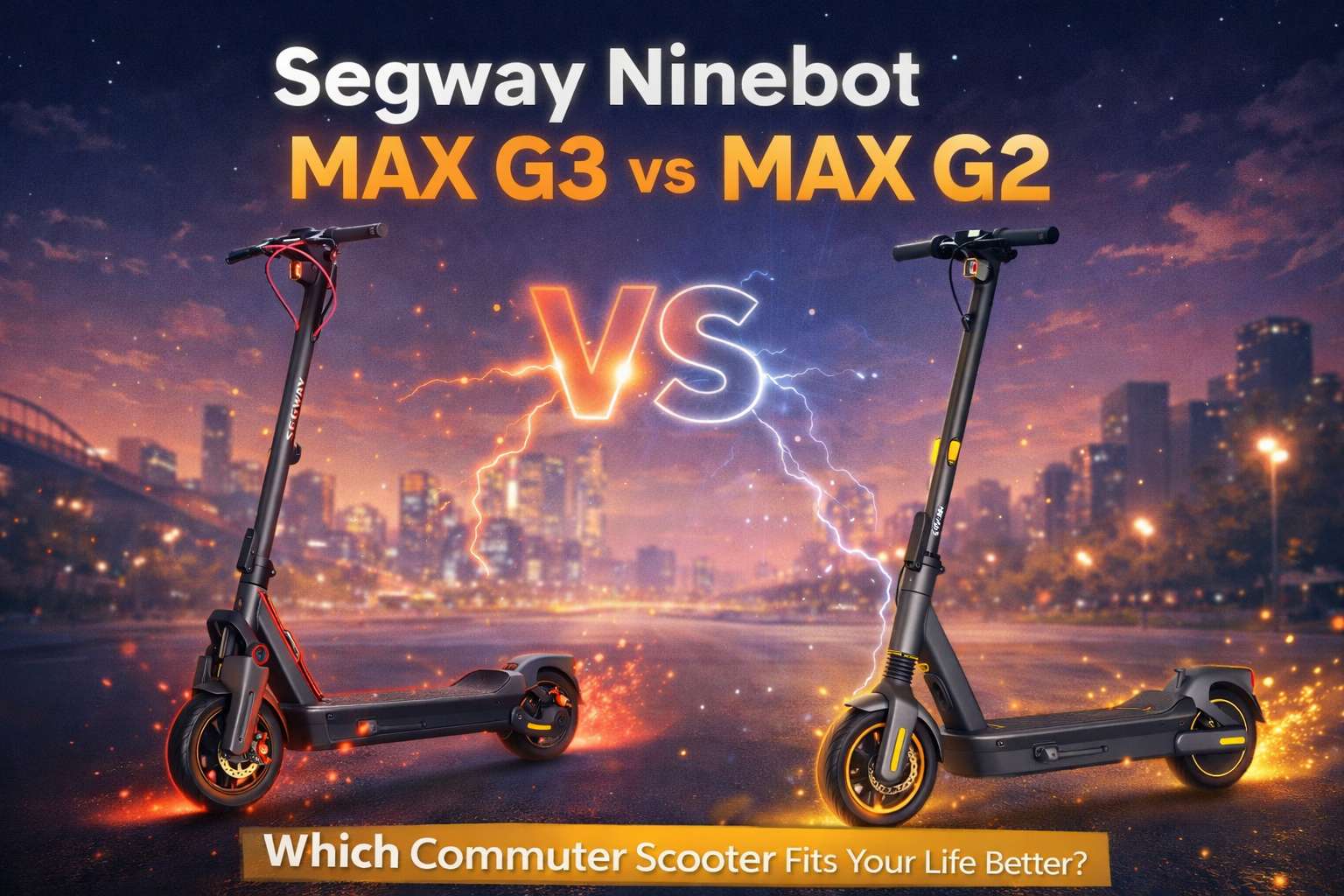
If you are shopping for a commuter electric scooter, Segway’s MAX line is usually on the shortlist. And honestly, it makes sense. These scooters aim for the “everyday rider” sweet spot. Solid range, stable handling, and features that feel practical on real streets.
The Segway Ninebot MAX G2 already does a lot right. It adds suspension, self-healing tires, traction control, and turn signals in a package that feels ready for daily use.
Then the Segway Ninebot MAX G3 showed up with more power, faster charging, bigger tires, and a higher water rating for the main body. So yes, it looks like a real upgrade. Still, the price gap can be real too, so the choice is not automatic.
So let’s compare them in a way that actually helps you pick. No fluff. Just the stuff you will notice on your commute.
If you want a quick way to decide before reading the full comparison, use this checklist first: compare electric scooters in 10 minutes. It keeps you focused on the specs that matter and avoids the “cool feature trap.”
The short answer (then we go deeper)
Pick the MAX G3 if you want the strongest MAX model, with faster charging and more hill power.
Pick the MAX G2 if you want the best value MAX commuter, with a comfortable ride and proven features at a lower cost.
Now let’s break it down.
MAX G3 vs MAX G2: the quick differences you will actually feel
Both scooters fit the commuter category. Still, their priorities are a bit different.
MAX G3 is built for riders who want “more”
- Stronger peak power and better hill performance
- Faster charging, plus optional dual charging
- Bigger tires for smoother roll-over on rough streets
- Disc brakes front and rear
- Higher water resistance rating for the body
MAX G2 is built for riders who want “smart value”
- Lower price in many markets
- Suspension comfort that already feels premium
- Self-healing tubeless tires
- Turn indicators built in
- Easy daily routine with overnight charging
And yes, the MAX G3 is the newer model. But that alone should not decide it.
Power and hill climbing: this is where the G3 separates itself
Power is not just about top speed. It affects the whole ride feel.
The MAX G3 lists a much higher peak power number than the MAX G2, and it also lists a stronger climbing slope rating. So in real use, it tends to:
- Pull harder from a stop
- Hold speed better on long inclines
- Feel less “strained” in headwind
That difference matters most on bridges, ramps, and long hills. It also matters if you ride with a heavier backpack or you are near the top of the rider weight limit.
The MAX G2 still handles normal city hills well. It just feels calmer doing it. And for many riders, that calmer feel is not a negative. It can feel smooth and predictable, which is exactly what you want in traffic.
So ask yourself one thing. Do you deal with real climbs every week? If yes, the G3 upgrade becomes easier to justify.
Range and battery size: close on paper, clearer in practice
Battery capacity sets the baseline for range. Then real-world conditions decide the rest.
The MAX G3 uses a bigger battery than the MAX G2. The difference is not massive, yet it is meaningful.
Even more important, Segway lists different range results at different speeds. That matters, since a “slow-speed test range” can look impressive but won’t match daily use.
Here is the simplest way to think about it:
- MAX G3 tends to offer more usable range at commuter speed.
- MAX G2 still offers strong range for city use, just a step behind.
And in real life, that can change your weekly routine. You might charge every day with one scooter. Then you might charge every two days with the other, depending on your commute length.
There is another big factor here too. The MAX G3 supports an optional external battery on some versions. So if you love long weekend rides, the G3 can scale up farther than the G2.
Charging time: this is a bigger deal than most people expect
Charging is the part nobody gets excited about. Then you live with the scooter for two weeks and suddenly it matters a lot.
The MAX G2 charges in a way that fits overnight routines. Plug it in after dinner, unplug it in the morning, and you are good.
The MAX G3 pushes charging into “more flexible” territory. So you can:
- Ride in the morning
- Charge for a few hours
- Ride again later without stress
And that feels great if your day is unpredictable. It also helps when you forget to charge overnight, which happens to everyone sooner or later.
If your schedule is stable and you always charge at night, the MAX G2 stays easy. If you want faster top-ups and less planning, the MAX G3 feels like freedom.
Ride comfort: suspension and tire size decide your mood on rough roads
Comfort is not just a bonus. It can change how often you ride.
The MAX G2 already brings real suspension and it rides noticeably smoother than older “no suspension” commuter scooters. It filters sidewalk joins, cracks, and rough patches in a way that feels controlled.
Then the MAX G3 builds on that idea with two upgrades that matter a lot:
- Bigger tires
- More advanced suspension setup
Bigger tires help the scooter roll over bad pavement with less harshness. And on uneven roads, they can feel steadier too.
So if your streets are clean and smooth, both scooters feel good. But if your city has rough asphalt, patched roads, or broken sidewalks, the G3’s setup gives you extra comfort and control.
Tires and puncture protection: both are built for commuters
Nobody wants a flat tire on the way to work.
Both models focus on puncture resistance with self-sealing or self-healing tire technology. That is a big plus for commuting, since it reduces the chance of getting stranded from a small puncture.
Still, tire pressure matters more than people think. So check it weekly. Low pressure hurts range, hurts handling, and makes tire damage more likely.
If you want a simple habit that pays off fast, this is it.
Braking: disc brakes feel different than drum plus e-brake
Brakes are a real safety feature, so it’s worth paying attention here.
The MAX G3 uses disc brakes front and rear. Disc brakes often feel stronger and more responsive, especially during harder stops.
The MAX G2 uses a front drum brake plus a rear electronic brake. Drum brakes tend to be lower maintenance, and they hold up well in everyday commuting. The rear electronic brake adds controlled slowing and helps regulate speed.
So the feel is different:
- G3 braking can feel sharper and more “sporty”
- G2 braking can feel smoother and more “commuter calm”
If you ride fast in mixed traffic, the G3 braking setup is a real advantage. If you want predictable daily control with less brake maintenance, the G2 setup stays appealing.
Safety features: traction control, signals, and visibility
City riding is all about small safety details.
The MAX G2 is well known for built-in turn indicators. That matters at busy intersections and in car-heavy lanes. It also helps when you ride past parked cars and need to signal clearly.
The MAX G3 leans more into stability and control, plus a more advanced display experience on many versions.
One important note though. Features can change by region and model variant. So if turn signals are a must-have for you, check your local listing for the exact configuration.
Water resistance: the MAX G3 has the edge
Rain happens. Road spray happens. And puddles show up at the worst times.
Both scooters support wet commuting within normal limits. Still, the MAX G3 lists a higher body water rating than the MAX G2.
That does not mean you should ride through deep water. No commuter scooter is built for flooded streets. Yet a stronger rating does reduce stress in heavier rain and messy roads.
So if you ride in wet weather often, the G3 gives you an extra buffer.
Smart features and app experience: both are modern, but the G3 feels newer
Both scooters work with Segway’s app ecosystem. You get ride modes, lock features, ride stats, and firmware updates.
The MAX G3 stands out with a larger and more advanced dashboard experience on many versions. That matters more than you might expect. A clear display makes riding easier, and it helps you stay focused on the road.
The MAX G2 keeps things simpler, and many riders actually like that. Less to think about. Less to configure. Just hop on and ride.
If you want a fun example of a totally different design direction in urban e-mobility, check out this write-up on the Honda UC3 electric scooter. It shows how brands think about city rides in very different ways, even when the goal is still daily commuting.
Which one should you buy?
Choose the Segway Ninebot MAX G3 if this sounds like you
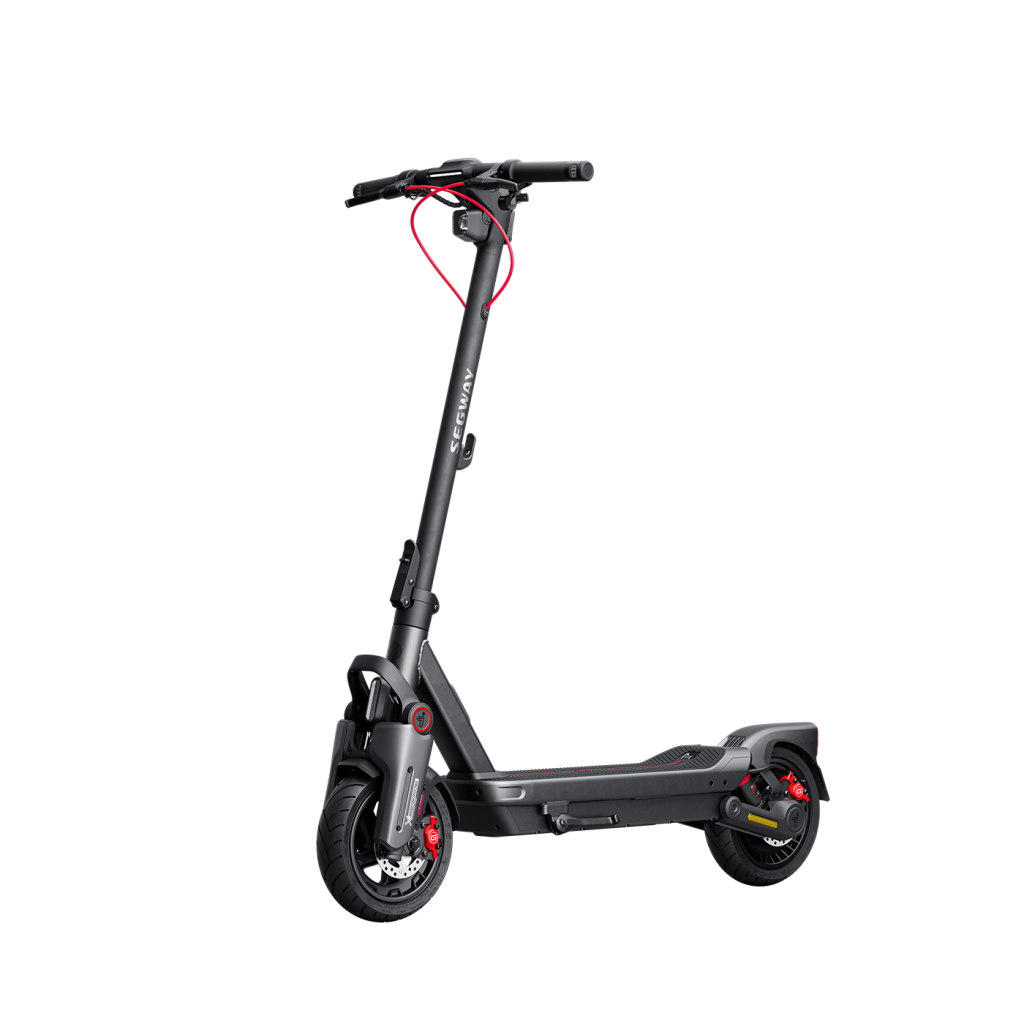
You should lean toward the MAX G3 if these points match your daily riding:
- You ride steep hills often
- You want faster charging and easy top-ups
- You want the smoothest MAX ride on rough streets
- You like bigger tires for stability
- You want disc brakes front and rear
This scooter fits riders who want a commuter scooter that feels closer to a premium ride, without stepping into the heavy performance category.
Choose the Segway Ninebot MAX G2 if this sounds like you
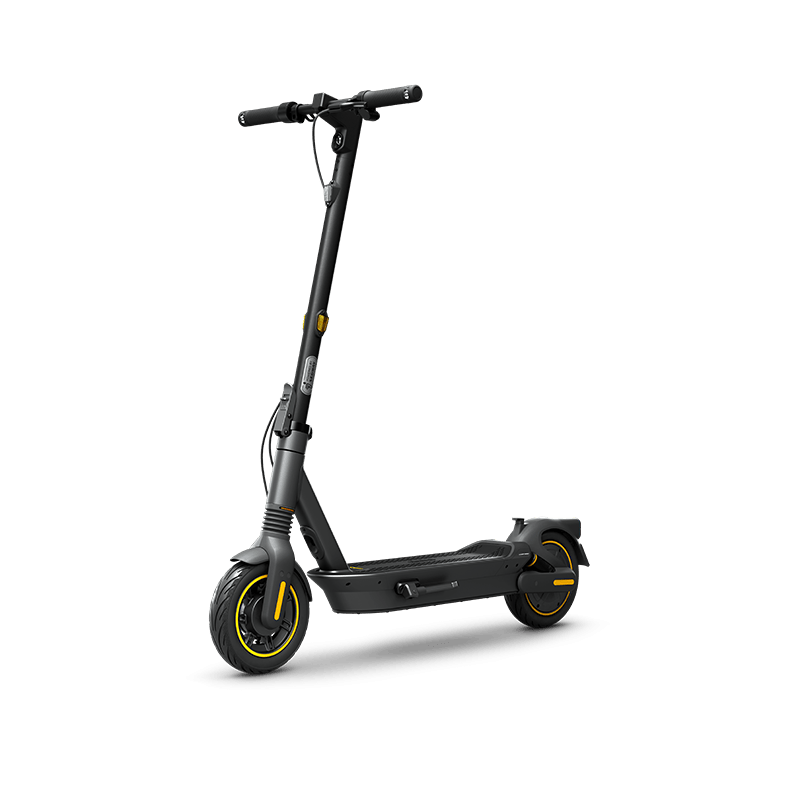
You should lean toward the MAX G2 if these points match your daily routine:
- You want the best price-to-features balance
- You ride flatter streets or mild hills
- You charge overnight and rarely need fast charging
- You want turn indicators built in
- You want comfort and stability without paying extra for upgrades
This scooter fits riders who want a strong daily commuter that already feels “complete.”
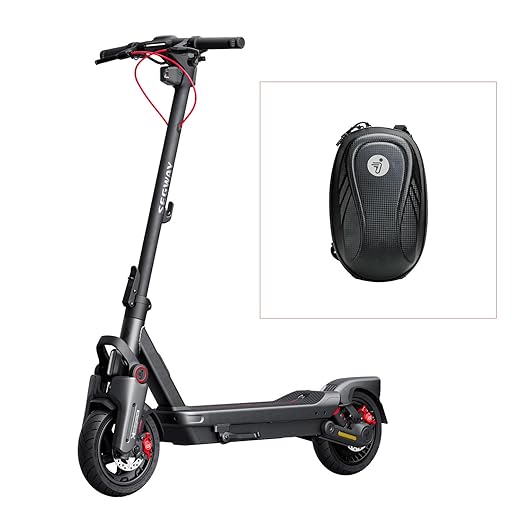
Segway Ninebot Max G3 Electric Scooter, 28 mph Top Speed w/ 50 Miles Max Range, Fast Charging with Universal Scooter Storage Bag Bundle
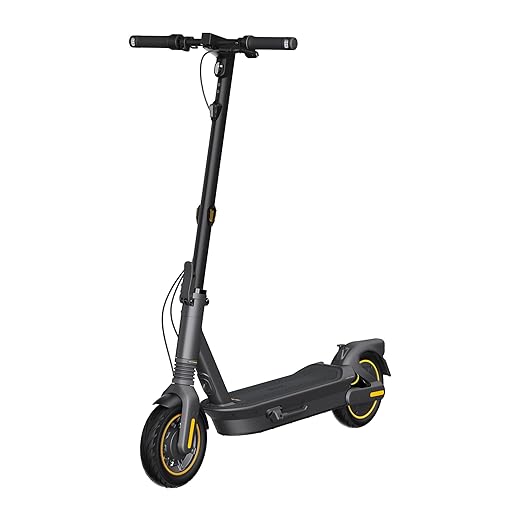
Segway Ninebot MAX Series Electric Scooter, Up to 22–28 MPH, Long Rang, Dual Suspension & Braking System, Fast Charging, Scooter for Adults, UL-2272 2271...
Final verdict: G3 wins on upgrades, G2 wins on value
The Segway Ninebot MAX G3 is the better scooter on pure hardware strength. It brings more peak power, better hill climbing, larger tires, faster charging, and a stronger braking setup. It also adds a higher water resistance rating for the body and a more advanced suspension package.
The Segway Ninebot MAX G2 stays the best value pick. It delivers a comfortable ride, solid range, traction control, and turn indicators in a commuter-friendly package that many riders trust for everyday use.
So if you want the best MAX you can buy right now, go for the MAX G3. But if you want the smarter deal with a great commuter feature set, the MAX G2 is still a very safe bet.