

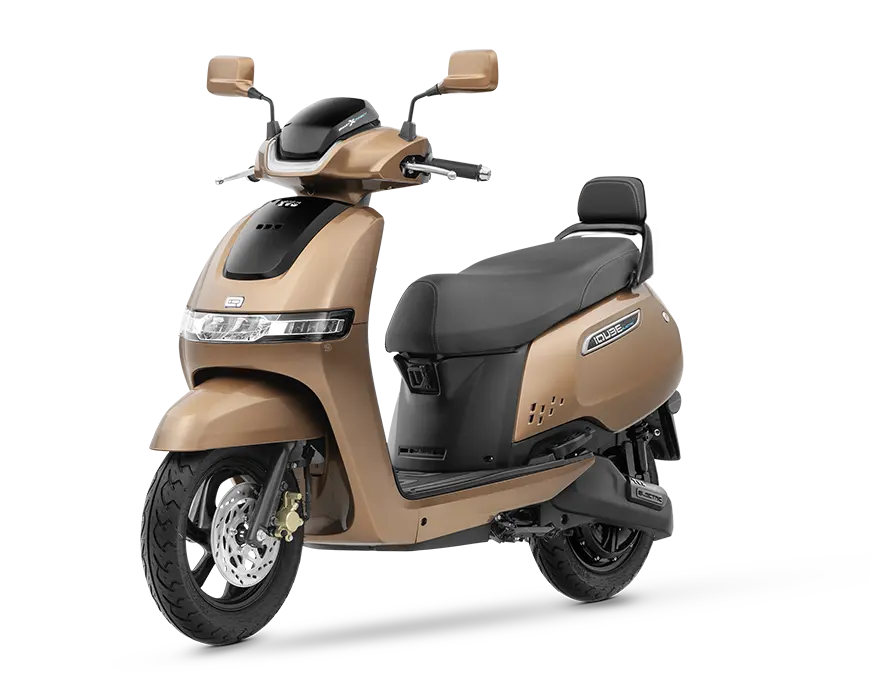
TVS Motor has given the TVS iQube a fresh push with a new campaign that feels more personal and more practical. Instead of chasing hype, the brand now highlights everyday life. The message is simple. The iQube is not just an electric scooter for early adopters. It is a family friendly EV built for commuting, errands, school runs, and daily urban travel.
That shift makes sense in 2026. Many electric scooter buyers in India now care less about novelty and more about ease of ownership. They want a scooter that is easy to charge, affordable to run, comfortable to ride, and simple to trust. TVS appears to understand that change very well. The new campaign leans into family use, shared mobility, and steady day to day value.
This approach also helps the iQube stand out in a crowded market. Some brands focus hard on speed. Others push aggressive styling or extra tech. TVS takes a calmer route here. It presents the iQube as a balanced electric scooter that fits real households and real routines. That makes the campaign feel more grounded, and honestly, more believable too.
A smarter message for today’s EV buyer
The newest iQube campaign feels more mature than a typical product ad. It is less about showing off a machine and more about showing how that machine fits into daily life. That difference matters. Buyers shopping for an electric scooter often picture how they will use it every morning, every evening, and every weekend. TVS seems to be speaking directly to that mindset.
The family angle is especially important. In many homes, a scooter is not used by just one person. It may serve a working professional during the week, a parent during the afternoon, and another family member on short local trips. By framing the iQube as a family EV, TVS broadens its appeal without making the product sound generic.
At the same time, the campaign supports what many buyers already search for online. People do not only look up TVS iQube new ad campaign. They also search for TVS iQube price, TVS iQube range, TVS iQube charging time, TVS iQube top speed, TVS iQube warranty, and best electric scooter for family use in India. This new message connects well with all of those search intents, which should help organic visibility too.
TVS iQube price, range, and variants in 2026
One reason the iQube stays relevant is its broad lineup. TVS offers multiple versions, so buyers can choose a model that suits their budget and daily range needs. The range currently includes variants with 2.2 kWh, 3.1 kWh, 3.5 kWh, S 3.5 kWh, and ST 5.3 kWh battery packs.
That gives the iQube range a useful spread. Entry buyers can look at the smaller battery version and get into the EV segment at a lower price point. Riders who want more flexibility can move up to the mid pack options. Buyers who want the maximum official range can look at the ST 5.3 kWh model.
This layered strategy helps TVS cover more types of riders. A student commuter and a family buyer may not want the same scooter setup. A short city trip rider has different needs than someone covering longer urban distances every day. By offering several battery choices, TVS makes the iQube easier to consider for a wider group of users.
Why the family EV positioning works
A family focused campaign only works if the scooter itself supports that idea. In the iQube’s case, the pitch holds up reasonably well. The scooter has features that matter in daily use, not just on a spec sheet. Home charging support is a major plus. That makes ownership easier for buyers who want to plug in overnight and start the next day with less hassle.
Connected features also add practical value when they are used well. TVS has highlighted things like navigation support, ride information, alerts, and smart connectivity. Those features are not the whole story, but they do add convenience for modern riders who expect a bit more from their scooter.
Ease of use matters just as much. A scooter aimed at family buyers should feel approachable. It should not demand a learning curve or feel overly technical. That softer appeal may sound less exciting than raw performance, but it often matters more over time. People remember how easy a vehicle is to live with.
Comfort plays a role too. Daily commuting can become tiring fast if a scooter feels awkward, cramped, or rough. TVS seems to understand that practical comfort has real value, especially when a scooter is used often and by more than one person.
Charging, warranty, and ownership questions buyers care about
The electric scooter market has matured, and that means buyer questions have matured too. People now ask very specific things before they buy. How long does charging take. What is the expected running cost. What does the warranty cover. Is service support easy to access. Can I live with this scooter every day without small annoyances piling up.
The iQube campaign benefits because these are the exact questions where TVS can offer reassuring answers. Home charging remains one of the strongest EV selling points. It keeps the routine simple. Buyers also tend to appreciate warranty clarity because it reduces some of the uncertainty that still comes with electric vehicle ownership.
Running cost remains another strong point for electric scooters in general. Buyers comparing petrol and electric options usually pay close attention here. Lower fuel related costs are still a major reason people explore this segment. TVS does well to keep that value idea close to the iQube story.
Anyone researching alternatives may also want to see how the brand fits into the broader entry level EV market. For readers comparing new launches and affordable models, this related update on the TVS Orbiter V1 launch in India adds useful context around where TVS sits in the budget friendly electric scooter conversation.
What this campaign means for TVS in the Indian EV market
This new campaign says a lot about where TVS wants to compete. The brand is not chasing only the performance crowd. It is also targeting mainstream families, practical commuters, and buyers who want an electric scooter that feels dependable from the start.
That is a strong place to be. The Indian electric scooter market is getting more competitive, and clearer positioning matters. TVS seems to be building the iQube as a dependable, broad appeal product rather than a niche statement machine. That gives it a better chance of holding interest over time.
It also helps the scooter feel less trend driven. Trends come and go. Utility stays relevant. When a brand can combine everyday usability with decent features and recognizable branding, it has a much better shot at staying in the shortlist for serious buyers.
Final thoughts
The new TVS iQube campaign feels timely, measured, and well aimed. It puts the focus on the kind of value that matters most in real life. Buyers want comfort, range, charging ease, trust, and low running costs. TVS wraps those ideas into a more human message, and that makes the iQube easier to understand and easier to remember.
More importantly, the campaign feels aligned with how many people actually shop today. They compare price, range, features, service support, and daily practicality. They imagine family use, not just solo riding. They want an electric scooter that makes life simpler, not one that adds friction.
That is why this campaign has a good chance to connect. It does not try too hard. It speaks to ordinary needs with a clear voice. For many urban buyers in India, that may be exactly the right move at exactly the right time.