

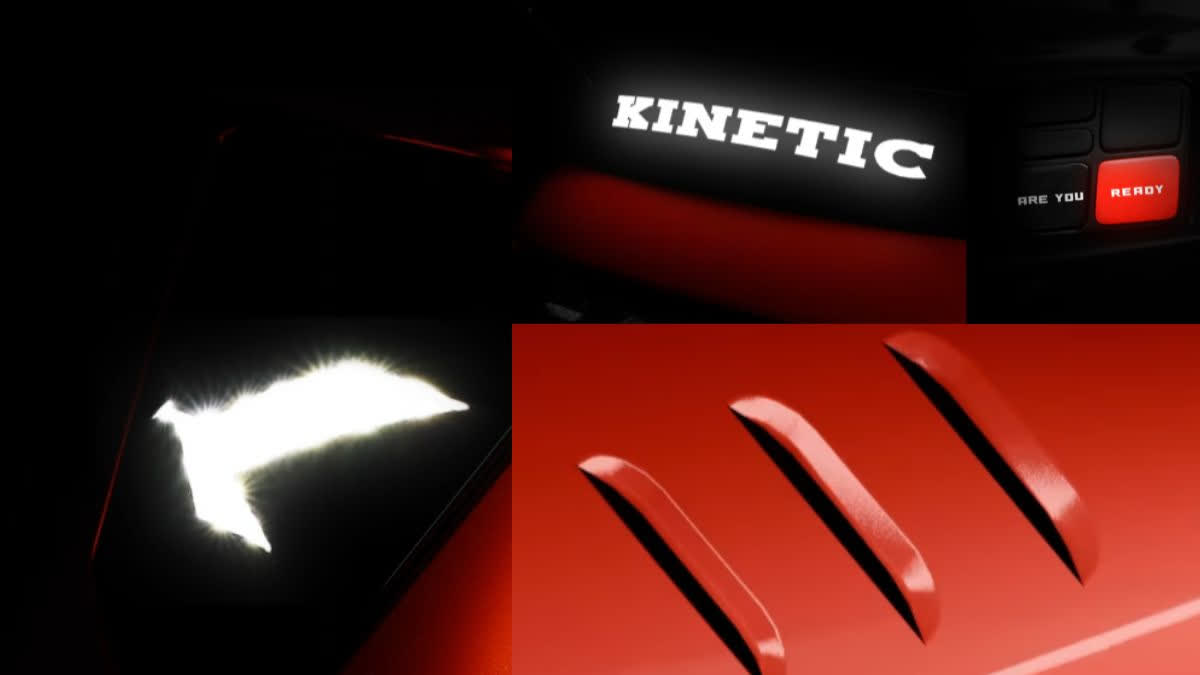
The Kinetic DX electric scooter has moved beyond teaser stage. Ahead of the July 28 launch, the brand used the DX name to build interest and bring back a familiar badge. Now the scooter is live on Kinetic’s official channels with listed prices, claimed range figures, key features, and booking details.
That makes this story much more useful for buyers. It is no longer just about a launch date or a teaser image. It is now about what the scooter offers, how much it costs, and whether it looks like a smart electric scooter for daily city use.
For people searching terms like Kinetic DX electric scooter price, Kinetic DX range, Kinetic DX launch, or Kinetic Honda DX electric scooter, the biggest takeaway is simple. This is a nostalgia-led comeback, but it also looks like a practical commuter with modern EV features.
Why the Kinetic DX name still matters
Kinetic did not pick the DX name by accident. The original DX still means something to many Indian riders. It reminds people of an older era of simple, usable scooters that fit daily life. That memory gives the new model a head start.
At the same time, the new DX is not trying to live only on old memories. Kinetic clearly wants this scooter to feel modern. The company has built the launch around connected features, battery safety, urban practicality, and easy ownership. So the old name helps open the door, but the actual product still needs to deliver.
That is why the new DX has drawn attention. Buyers who remember the original model feel curious, and younger buyers want to know whether this electric scooter can compete on value, range, and features. It also arrives at a time when the compact e-scooter market in 2026 is getting more crowded, so practical features matter more than ever.
Kinetic DX price and variants
Kinetic’s live retail pages list the DX at ₹1,11,499 ex showroom for Pune. The higher variant is listed at ₹1,17,499 ex showroom for Pune. The company also notes that prices in other cities can change based on taxes, subsidies, registration, and local charges.
That gives buyers a clear starting point, but not a final citywide answer. In other words, the Pune price is useful, but it should not be treated as the final on-road figure everywhere.
Kinetic also said bookings opened with a token amount of ₹1,000 for the first 35,000 units. That detail matters because it shows the company wanted to create early demand while keeping the entry barrier low.
There is one naming detail buyers should watch. Some official material has shown the upper trim as DX+, while another page refers to it as ZX, formerly DX+. The safest conclusion is that the base version remains DX, and the higher trim has either been renamed or is being repositioned in the brand’s own messaging.
Claimed range, battery and top speed
Range is one of the first things most EV buyers check, and Kinetic has made that part of the DX story very clear. The company says the DX offers an IDC claimed range of up to 102 km. The higher trim is listed with an IDC claimed range of up to 116 km.
Those are useful numbers for everyday buyers. They suggest the scooter aims at daily commuting, short errands, and routine urban use rather than high-performance riding.
Kinetic also highlights a 2.6 kWh Lithium Iron Phosphate battery on the upper trim. LFP chemistry matters because brands often promote it for better thermal stability and long service life. Kinetic says its battery system is designed around safety and durability, which is exactly what cautious buyers want to hear in this segment.
The company also lists a top speed of up to 90 km/h and three ride modes: Range, Power, and Turbo. That gives the DX a broader appeal. Riders can focus on efficiency when needed, but they also get a faster setting for roads where they want more pace.
Features that add real day to day value
The Kinetic DX looks strongest when you focus on everyday usability. Kinetic says the scooter offers 37 litres of under-seat storage. That is a standout detail because storage often shapes real ownership satisfaction more than flashy launch claims do.
According to the brand, that space can handle a full-face helmet, a half-face helmet, and a few extra daily items. If that holds up in real use, it becomes a major convenience win for office commuters and local riders.
Kinetic also highlights features like Easy Key, Easy Flip, Telekinetics, and the Range-X battery system. On top of that, official launch material points to reverse assist, hill-hold, telescopic front suspension, adjustable rear shocks, and combi braking with a front disc and rear drum.
That feature list gives the DX a more serious daily-use feel. It suggests Kinetic has tried to build a scooter that works well in crowded city traffic and typical stop and go conditions.
The connected side also matters. Kinetic has promoted app-based functions such as ride stats, geo-fencing, intruder alerts, remote tracking, and Find My Kinetic. Some official material for the upper trim also mentions Bluetooth music playback and voice navigation. These features may not matter equally to every rider, but they do help the scooter feel current.
Charging time, warranty and ownership promise
Charging speed can shape buying decisions, especially for apartment users and office commuters. Kinetic’s FAQ material says the DX can charge from 0 to 100 percent in about 4 hours. That is a reasonable figure for an urban electric scooter in this class.
Warranty coverage also plays a big role in buyer trust. Kinetic says the standard vehicle warranty is 3 years or 50,000 km. The company also mentions battery warranty packages that can extend up to 9 years or 1,00,000 km, depending on the option selected.
That is important because EV shoppers do not only compare price and range. They also want to know how much long-term risk they are taking on. A stronger warranty pitch can make a new launch look much safer, especially when the brand is rebuilding its place in a crowded market.
The rollout looks real, but city availability still matters
One good sign is that the DX is not just a showpiece. Kinetic has already shared updates tied to its dealership push and first deliveries. That helps the launch feel more concrete.
Still, buyers should stay practical. I cannot confirm exact on-road pricing outside Pune from the material already discussed. I also cannot confirm a full nationwide delivery timeline from that same set of official details.
So the smart move is to treat the listed price and range numbers as a strong starting point, then check local dealer availability, registration costs, and delivery timelines before making a final decision.
Why this launch matters
Some teaser-heavy scooter launches lose steam once the full specs appear. The Kinetic DX has done a better job than that. It pairs a familiar name with modern EV features, solid claimed range, useful storage, and a commuter-friendly setup.
That combination gives it a real place in the conversation. It is not just a retro callback. It looks like an attempt to build a practical electric scooter for everyday India, with enough brand memory to stand out and enough usable hardware to stay relevant.
The next big test will be execution. Kinetic now needs to expand retail reach, keep its variant naming clear, and turn launch promises into a smooth ownership experience. If it gets that part right, the DX could become more than a comeback story. It could become a real option for riders who want a city electric scooter with a known badge, useful range, and strong daily practicality.