

Overview
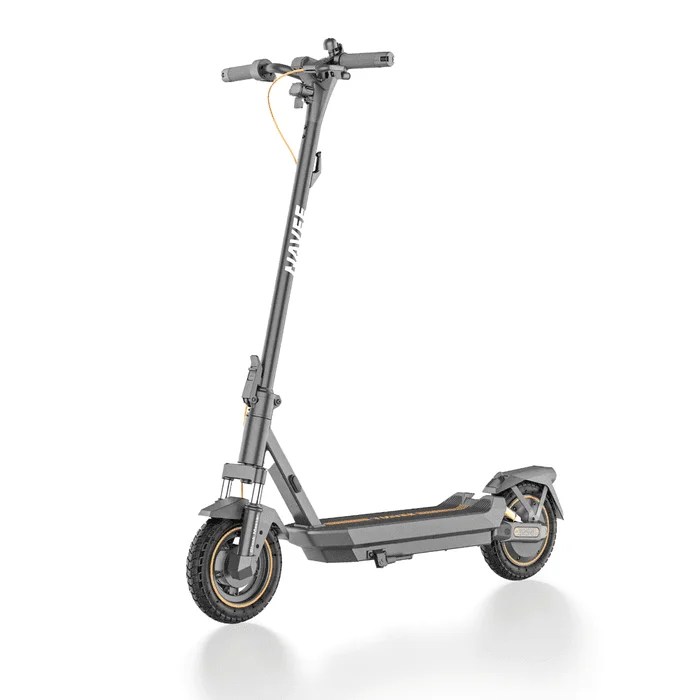
The NAVEE GT3 Max feels like a scooter built for real daily riding, not just for flashy marketing. That matters more than many people think. A lot of electric scooters try to impress with big speed claims, but most riders want something simpler. They want a smooth ride, stable handling, reliable brakes, and enough battery for normal trips without feeling nervous on the way home.
That is where the GT3 Max starts to make sense.
This model looks aimed at commuters who want more comfort and confidence than a basic entry-level scooter can offer, but who do not need a huge, heavy machine built only for speed. If your rides include rough streets, bike lanes, cracked pavement, and the usual stop and go city traffic, the GT3 Max appears to be the kind of scooter that could fit well into everyday life.
There is one thing worth saying up front. I cannot confirm one identical spec sheet for every NAVEE GT3 Max sold in every country. Some regional listings may differ in speed, range, charging time, or certain features. Because of that, this review works best as a practical buying guide. It focuses on what this scooter is trying to do, where it should perform well, and what you should double-check before you buy.
Even with that small caution, the overall direction is clear. The GT3 Max seems built for riders who care about comfort, control, and everyday usability more than bragging rights. And honestly, for most people, that is the smarter kind of scooter to buy.
Design and Build Quality
At first glance, the NAVEE GT3 Max has a clean and modern look. It does not try too hard, and that is a good thing. The frame appears tidy, the design looks well organized, and the scooter gives off a more mature vibe than many cheaper city models.
That kind of design is not just about looks. It also affects how the scooter feels to own. When the cockpit is neat and the frame feels well put together, the whole experience usually feels more polished. Daily riders notice details like that very quickly.
Build quality on a commuter scooter comes down to the things you feel every day. The stem should feel solid. The deck should give your feet enough space. The folding latch should feel secure. The fenders should not rattle all the time. The controls should feel simple and dependable. A scooter can have a decent spec sheet and still feel disappointing if those basic parts are weak.
The GT3 Max appears to aim for a more settled and stable feel, and that gives it an advantage over cheaper scooters that feel a bit flimsy after the first few rides. If you have ever used a budget scooter with a shaky stem or a tiny deck, you know how quickly those small issues become annoying.
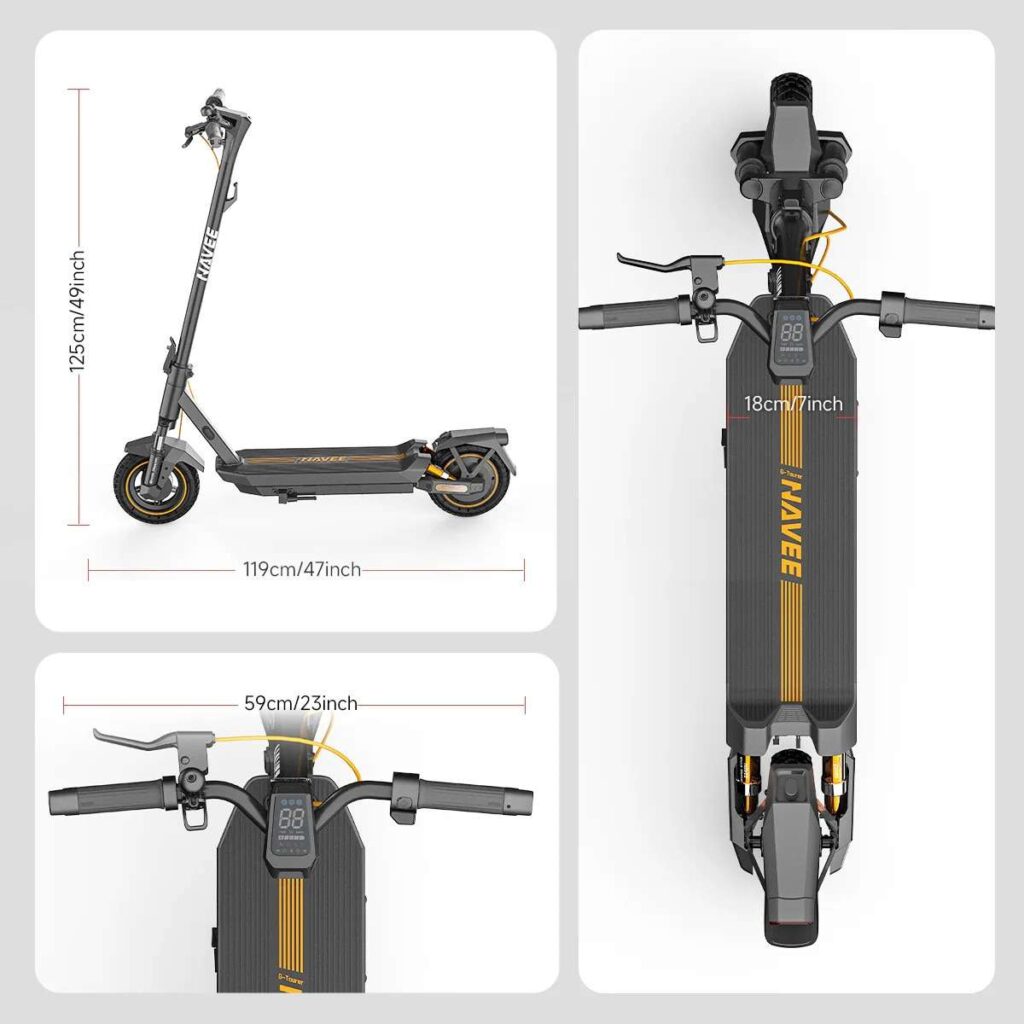
Deck space deserves special attention because it affects comfort all the time. Riders often focus on range or speed first, but deck size changes the ride from the first minute. A cramped deck forces an awkward stance, and then your legs and feet get tired faster. A roomy deck makes it easier to balance, shift your weight, and stay comfortable in traffic.
The GT3 Max also seems more focused on ride quality than ultra-light portability. That is a common tradeoff. A scooter with more structure, more comfort, and more suspension hardware is usually heavier. For many adults, that is a fair exchange. But if you carry your scooter up stairs every day, weight will matter a lot.
Ride Comfort and Suspension
This is probably the part of the GT3 Max that will matter most to real commuters.
Comfort changes everything on an electric scooter. It affects how relaxed you feel, how confident you feel, and how long you actually want to ride. Roads that look normal from a car can feel surprisingly rough on a scooter. Patches, cracks, curb cuts, painted markings, and broken asphalt all add up fast.
A harsh scooter gets tiring very quickly. A well-damped scooter feels calmer, and then longer rides stop feeling like work.
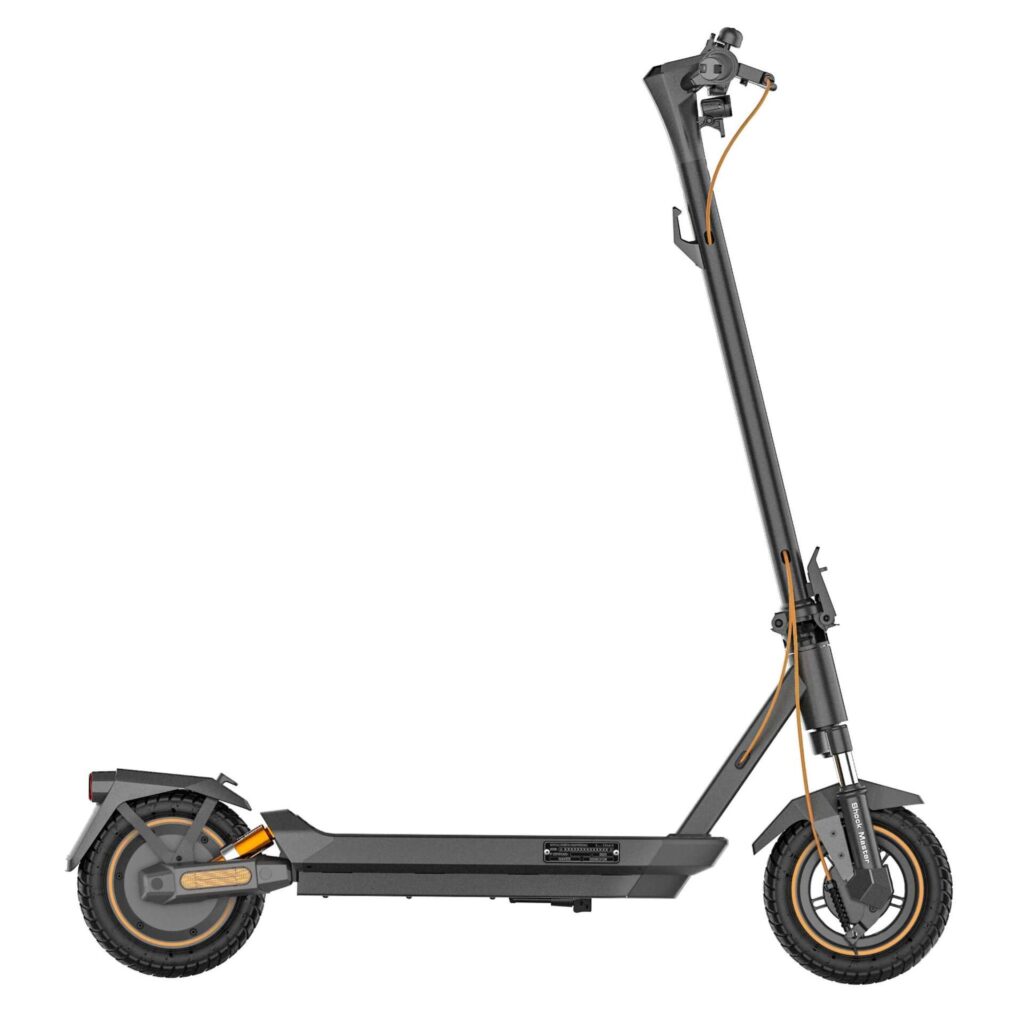
The GT3 Max seems designed with comfort as a major priority. That is important because comfort is not just a luxury feature. It improves control too. When the scooter stays composed over rough pavement, your hands stay more relaxed, the front end feels less nervous, and the whole ride becomes easier to manage.
The same goes for the rear. If the rear wheel feels too jumpy or unsettled, the scooter starts to feel twitchy on rough surfaces. A better suspended setup helps the scooter track straighter and feel more predictable, especially when roads are not perfect, which is most of the time.
Tires play a huge role here as well. Suspension matters, but tires are the first layer of comfort. If the GT3 Max in your market comes with a good pneumatic tire setup, that is a meaningful benefit. Larger air-filled tires help smooth out smaller bumps before the suspension even needs to do much work. I cannot confirm that every market gets the exact same tire spec, so this is one of the first details to verify before buying.
A comfortable scooter also changes how speed feels in real life. Not top speed, but useful speed. A scooter that feels stable and calm lets you ride at a steady pace with less effort. A scooter that feels harsh or nervous often makes you slow down, even if it looks good on paper. That is why comfort matters so much more than people expect.
For many riders, the GT3 Max may end up feeling better to live with than a cheaper scooter that promises a lot but feels rough after ten minutes.
Motor Performance and Hill Climbing
The NAVEE GT3 Max looks like a practical commuter first. It does not seem aimed at riders who only care about raw speed, and that is perfectly fine. In fact, that approach makes a lot of sense for city use.
What matters most on a scooter like this is smooth, useful power. You want clean acceleration from a standstill, easy pace through traffic, and enough pull for moderate hills. You do not need a wild launch every time the light turns green. That kind of aggressive throttle often feels fun for a week and then starts to feel tiring.
A commuter scooter should be predictable. It should feel easy to control at lower speeds, but still strong enough to reach cruising speed without struggle. The GT3 Max appears to be built with that kind of balance in mind.
Hill climbing is another area where scooter brands often sound better in marketing than in real life. Published climb figures depend on too many variables. Rider weight, road surface, battery level, temperature, and controller tuning all change the result. So the better question is this. Will it handle the hills you actually ride every week?
For light to moderate urban hills, the GT3 Max should make more sense than a weak budget scooter. It looks better suited to everyday climbing than very basic commuter models that lose momentum quickly. Still, local speed caps and motor tuning can vary, so buyers should always check the official local product page before treating any single number as universal.
If you are comparing this model with other practical city scooters, it may also be worth looking at how NAVEE’s overall ride philosophy compares with something like the NAVEE XT5 Pro review, especially if comfort and daily usability matter more to you than peak performance.
Real World Range and Battery Use
Range is one of the most misunderstood parts of any electric scooter.
Claimed range and real range are never the same thing. Riders know that, but it still catches people out. Cold weather, stop and go traffic, rider weight, wind, hills, road surface, and tire pressure all affect battery use. A scooter that sounds amazing in ideal test conditions may feel much more ordinary in daily life.
That is why the best way to think about the GT3 Max is not by asking how far it can go in perfect conditions. The real question is how much battery margin it gives you on a normal day.
Battery margin is what makes a commuter scooter feel easy to own. It means you do not have to stress if you take a longer route home, make an extra stop, or ride in colder weather. It also means fewer deep battery drains, which tends to be better for long-term ownership habits.
The GT3 Max seems positioned as a scooter that should offer decent everyday range for commuting use. That makes it more appealing to regular riders than to casual weekend users. Someone who rides to work, to the store, or across town a few times a week will value that extra margin much more than someone who only rides now and then.
Charging time is still something buyers should verify carefully. I cannot confirm one exact official charging figure for every regional version of the GT3 Max. For some riders, that will not matter much. For others, especially those who rely on one scooter for repeated daily trips, it can make a big difference.
Braking and Safety
A scooter can feel comfortable and still fall short if it does not feel safe. Safety is never one single feature. It is the result of several things working well together. Tires, brakes, lighting, frame stability, throttle response, and suspension all play a part.
The GT3 Max appears to take a balanced commuter approach here, and that is exactly what it should do.
Good scooter braking is not just about stopping in the shortest possible distance. It is also about feel. Riders brake on uneven roads, near painted lines, over dust, and in the middle of light turns. In those situations, smooth and predictable braking often matters more than aggressive bite.
A braking system that feels progressive gives riders more confidence. You want enough stopping power, of course, but you also want control. On a commuter scooter, that balance is essential.
Lighting is another area buyers should not overlook. A bright front light helps you see, but visibility to others matters just as much. Rear lighting and side visibility are very important in urban traffic. If your regional version includes turn signals, that can be useful, but it should always be treated as an extra layer, not as a replacement for checking traffic properly.
Water resistance is another point that deserves a little realism. Even if a scooter has a stated water resistance rating, that does not make it a true all-weather machine. Riders should treat splash resistance as a safety buffer, not as an invitation to ride through heavy rain or deep puddles. That advice applies to almost every electric scooter, not just this one.
Everyday Practicality
This is where a scooter either becomes part of your routine or ends up sitting in a corner.
Daily practicality matters more than many buyers expect. The folding mechanism should be easy to use. The bars should not feel awkward in storage. The display should be easy to read. The charger should fit your schedule. The app, if there is one, should help, not annoy.
The GT3 Max seems stronger in day-to-day usability than in ultra-light portability. For many adult riders, that is the right trade. If the scooter gives you a smoother ride, better stability, and more battery comfort, a bit of extra weight may be worth it.
Still, portability should not be ignored. If you live in a walk-up apartment, take your scooter on public transport, or regularly lift it into a car, weight becomes a real factor. This scooter may suit riders who roll more than they carry.
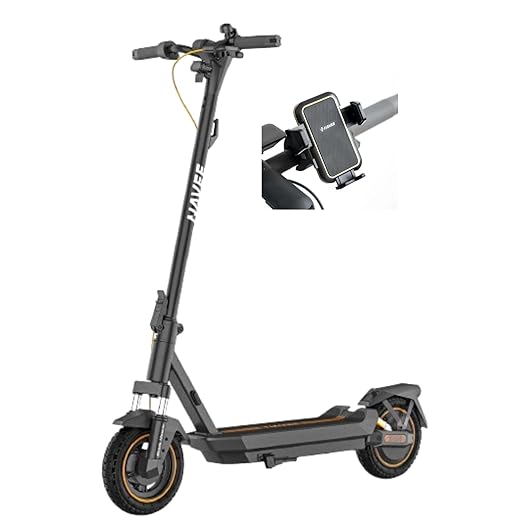
App support can be useful if it stays simple. Riders usually want a few basic things. Battery status, ride modes, firmware updates, and maybe a lock feature. Anything beyond that is a bonus. If the GT3 Max includes smart features in your region, that can add value, but software should never be the main reason to choose a scooter.
Maintenance also matters more than flashy extras. Tire access, brake adjustment, and general serviceability all shape the long-term ownership experience. Those details rarely stand out in product ads, but they matter once the scooter becomes part of your week.
Price
How It Fits Against Other City Scooters
The GT3 Max sits in an interesting part of the market. It seems designed for riders who have moved past the idea of a cheap first scooter, but who still want something practical and easy to live with.
That means it will likely be compared with models from Segway, NIU, Xiaomi, and other commuter-focused brands. That is the right place to judge it. This is not a scooter that seems built to chase extreme speed numbers. It is built to make normal riding feel better.
If you are also looking at simpler, lighter options, it can help to compare this type of comfort-first commuter with something more entry-level, such as the global version covered in this piece on the Xiaomi Electric Scooter 6 Lite. That kind of comparison helps show whether you really need the added comfort and daily stability the GT3 Max seems to offer.
For many adults, the answer will probably be yes.
Who Should Buy the NAVEE GT3 Max
The GT3 Max makes the most sense for riders who want one scooter to handle regular urban travel with fewer compromises.
It is a good fit for commuters who deal with rough roads, broken pavement, or daily stop and go riding. It also suits riders who value comfort, control, and ride quality more than carrying the scooter everywhere by hand.
It may be especially appealing to adults who want a more planted and grown-up ride feel, and to buyers choosing between a basic entry-level scooter and a more capable daily machine.
It is less ideal for people who need the lightest possible folding scooter, or for riders who carry their scooter up stairs every day. It also may not satisfy performance-focused buyers who mainly care about top speed.
Value for Money
Value is not just about a low price. It is about what the scooter gives back over time.
A cheaper scooter can look like a good deal at first, but that changes quickly if the ride feels harsh, the frame feels flimsy, or the battery leaves you with too little margin. Riders tend to keep using scooters that feel safe, calm, and comfortable. They tend to stop using scooters that feel tiring or awkward.
That is where the GT3 Max may justify itself. If it really delivers the kind of comfort, stability, and ease of use it appears to promise, then it could offer better long-term value than a cheaper scooter that only wins on price.
When judging value, buyers should focus on the full package. Ride comfort, tire type, brake feel, stem stability, battery confidence, warranty support, and ease of maintenance all matter. In real life, those things usually matter more than one big headline number.
Final Verdict
The NAVEE GT3 Max looks like a smart electric scooter for riders who want comfort-first urban transport. Its biggest strength is not raw speed. It is the idea that daily riding should feel smoother, calmer, and less tiring.
That makes it appealing for commuters, adults riding on imperfect streets, and buyers who want a practical scooter they can rely on through the week. It may not be the best choice for people who need a very light scooter, and buyers should still verify official local specs before purchasing, since different regional versions may vary.
Even so, the GT3 Max gets the important part right. It appears to focus on the things that matter most in everyday use. Comfort, control, stability, and decent range for real trips. For a lot of riders, that is exactly what makes a scooter worth buying.