

A consumer panel has put Ola Electric under fresh pressure
Ola Electric is facing fresh heat after a consumer panel ruling in Maharashtra. On March 29, reports said the District Consumer Disputes Redressal Commission in Thane ordered the company to replace a faulty scooter with a new one of the same model and specification.
If the company does not replace it, then it must refund the buyer. The reported refund figure is ₹96,997. The order reportedly adds 6 percent annual interest, ₹20,000 for mental agony, and ₹15,000 for litigation costs.
So, this is not a small service dispute. It is a clear consumer order with money, timelines, and after sales accountability tied to it.
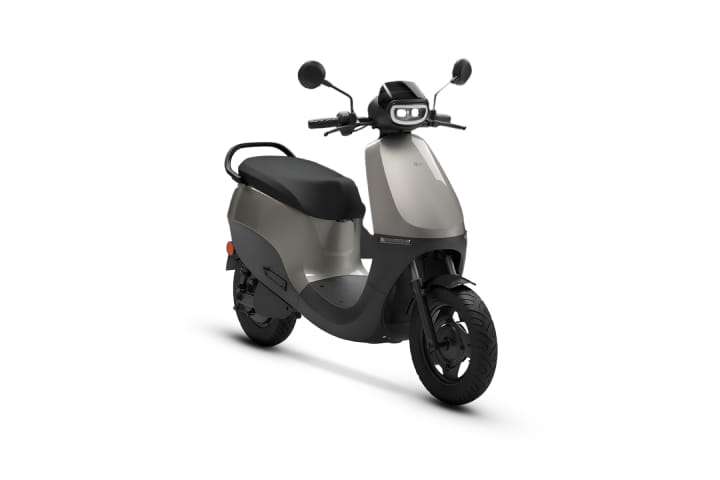
The case involved an Ola S1 X with a 3 kWh battery pack. The buyer purchased it in July 2024 and took delivery in August 2024. Soon after that, the owner said the scooter started showing faults. Reports said the vehicle had an acceleration issue, frequent shutdowns, and sharp battery drain during normal use.
One reported incident stood out. The rider said the battery dropped from 21 percent to 3 percent in about 500 meters. That kind of drop is not just annoying. It raises a road safety concern, especially in traffic.
Why this case stands out
A lot of scooter complaints stay buried in service chats, call logs, and workshop visits. This one did not. It reached a formal consumer forum, and the panel appears to have taken a tough view of the matter.
The ruling matters for one simple reason. It turns a common buyer fear into a legal finding in a real case. Many people search for terms like Ola scooter battery drain issue, Ola scooter sudden shutdown, Ola Electric refund complaint, and Ola service center problem. Now there is a fresh case tied to those exact fears.
That gives this story weight. It is not just another angry social media post. It is a consumer panel order that other buyers will notice.
Then there is the wider backdrop. Ola Electric has already faced public scrutiny over service quality and complaint handling. That means this ruling lands in a market that is already sensitive to repair delays, warranty disputes, and owner frustration.
What the buyer reportedly argued
The buyer said the scooter showed defects soon after delivery. He said he reached out for service support more than once. He said the faults did not go away, and he said the vehicle remained unreliable.
That pattern appears to have shaped the case. A single repair visit often does not prove much. Repeated faults, repeated complaints, and weak resolution create a stronger record.
So, the order is about more than one bad day on the road. It is about whether the vehicle stayed fit for normal use after sale.
Reports said the commission found the scooter was not in proper condition and had defects from the start. Reports added that the panel said Ola failed to remove those defects and failed to provide proper service.
That is the part many buyers will focus on. A defect is bad. A defect that stays unresolved after support requests is much worse.
What Ola buyers should take from this right now
If you own an Ola scooter and face battery drain, charging trouble, shutdowns, display issues, or repeat workshop visits, keep every record. Save the invoice. Save the delivery proof. Save the job cards, call logs, emails, chat transcripts, and service estimates.
Next, ask for written service documents every time. That step helps a lot if the problem keeps coming back.
Then note each fault with dates, mileage, charge level, and road condition. A clean timeline is powerful. It shows a pattern, and it keeps the case grounded in facts.
A buyer should not rely on memory alone. A short note on your phone after each incident can help later.
That matters even more in EV cases. Battery complaints, range drops, and sudden shutdowns often sound vague in casual conversation. They look much stronger when each event is dated and described clearly.
What Ola says about support and warranty
Ola says it offers warranty coverage for manufacturing defects and workmanship issues. The company’s support pages say battery and non battery parts fall under defined warranty terms, and service requests can go through its app, support channels, or service centers.
The company has spent months talking about service improvements too. It has said service turnaround time has improved, and it has promoted steps meant to rebuild trust after criticism around support delays.
So, the company knows service quality is now central to its image. That is why this ruling hurts. It cuts against the message that repairs are getting faster and smoother.
At the same time, one case does not prove that every Ola scooter has the same issue. It does show that one buyer pushed a complaint through the system and got a strong order in return.
That is a meaningful difference.
What new buyers are likely to search now
This case will likely push more people to search for practical answers before buying. Expect interest around terms like Ola Electric faulty scooter, Ola S1 X defect, Ola scooter refund, Ola battery issue, Ola service delay, and consumer court complaint against Ola.
People already compare product news with ownership risk. So, even flashy launches do not erase service concerns. Buyers will still look at warranty support, parts availability, and repair speed before they spend.
That is one reason this topic fits into wider search demand. People follow launch headlines, but they search even harder for ownership problems.
For readers tracking the brand’s latest moves, interest in this case may rise alongside launch coverage like Ola S1 Pro and Roadster X Champions Edition are here. New products grab attention, but service stories shape buyer trust in a deeper way.
What this means for the Ola brand
Ola Electric built a strong public profile with aggressive pricing, bold launches, and high visibility. That helped the brand grow fast. But growth alone does not protect a company from buyer anger.
Trust is built after delivery. It starts when the scooter works well on day one. It gets stronger when service fixes problems fast. And it breaks when the owner keeps returning with the same fault.
So, this ruling lands at a sensitive point. It reminds buyers that the real test starts after the sale.
It sends a signal to the company too. Hardware quality matters. Service follow through matters just as much.
A scooter brand can win clicks with range claims, performance figures, and launch events. Yet it keeps buyers only if the machine stays dependable on real roads.
The bigger lesson for EV owners
This story is about Ola, but the lesson is broader. Any EV buyer should judge the full ownership package, not just the brochure. Battery performance matters. Service access matters. Complaint handling matters. Written records matter.
And if a serious defect shows up early, the owner should act fast. Report it at once. Keep the paperwork. Push for a written diagnosis. Then escalate through the proper channels if the issue stays unresolved.
That is the practical value in this case. It shows that a buyer does have options, and it shows that consumer forums can act when the record is strong.
For Ola Electric, this ruling is a warning. For buyers, it is a reminder to pay close attention after delivery, not just before booking.