

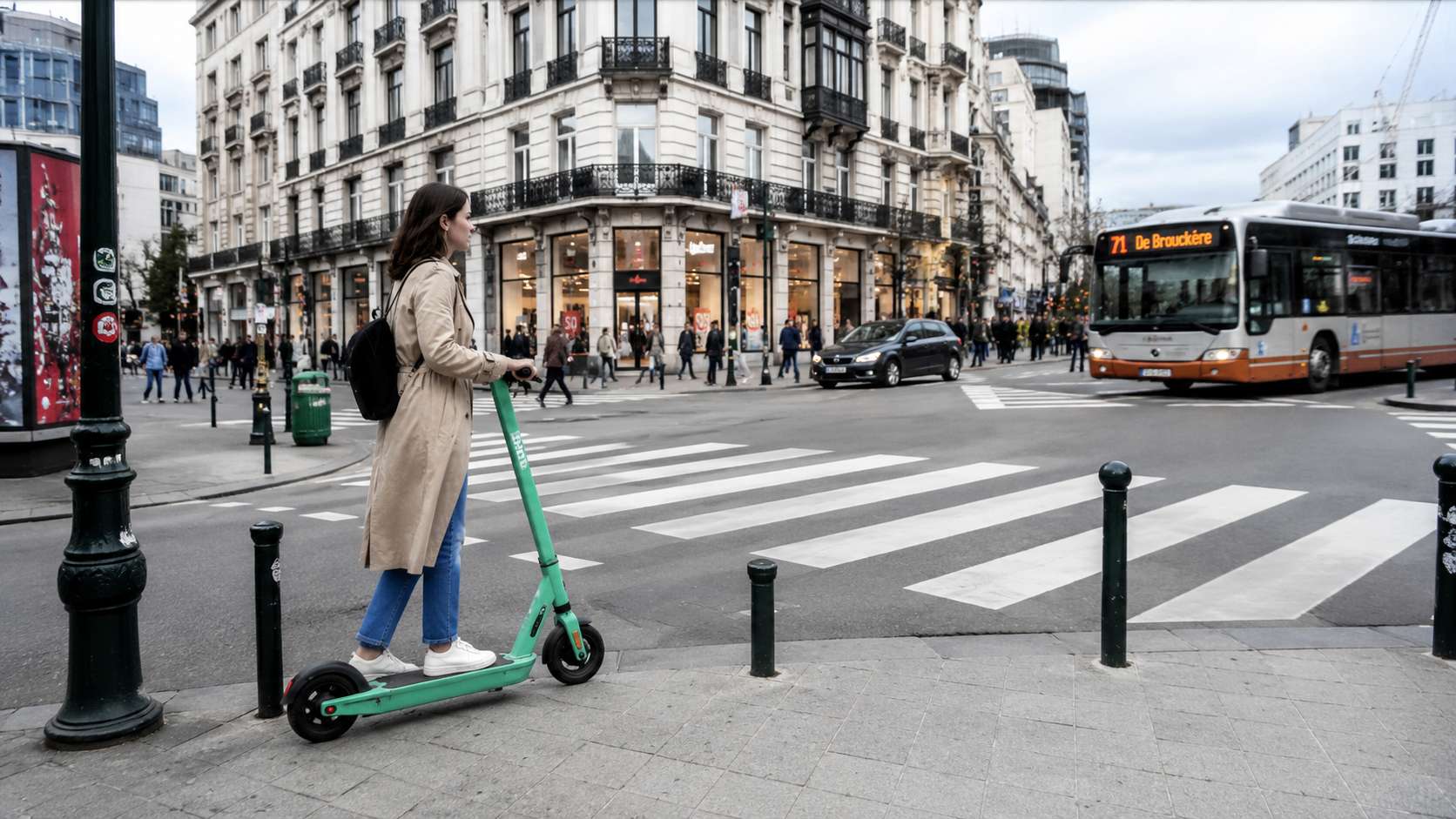
Belgium is seeing a sharp rise in shared e-scooter and e-bike use, and the reason is easy to understand. Fuel prices have stayed painful for many drivers. Public transport strikes have disrupted normal commutes. So, more people now use small electric vehicles for short city trips.
The jump is not small. Shared e-scooter and e-bike use in Belgium rose by 67% after fuel prices climbed in late February. Last year, the same seasonal period brought a 30% rise. That means the 2026 increase is more than a normal spring bump.
For many riders, this is no longer just a fun way to cross town. It has become a daily backup plan. In Brussels, Antwerp, Ghent, and other busy areas, riders use shared scooters to reach work, trains, shops, schools, and appointments faster.
Fuel Prices Are Pushing People Away From Short Car Trips
Fuel costs change habits fast. When petrol and diesel prices rise, drivers start to question every short trip. A three-kilometre drive can feel wasteful, especially in city traffic. Then parking adds more stress.
So, shared e-scooters and e-bikes start to look more practical. Riders unlock a vehicle through an app, travel across the city, then park in a marked zone. The ride often takes less time than driving, and it removes the fuel bill from that small trip.
This shift matters most in cities. Many urban car trips are short. For example, a person may drive to a train station, a nearby office, or a shop only a few streets away. Those are the exact trips where e-scooters work best.
The same pattern appears in other markets too. Interest in electric two-wheelers keeps growing, and brands are investing in more retail locations. For example, RFL’s new Rydo electric scooter showroom in Bashundhara shows how companies are trying to meet demand from riders who want cleaner and cheaper urban transport.
Strikes Have Made Shared Scooters a Daily Backup Plan
Public transport strikes have played a major role in Belgium’s e-scooter boom. On strike days, shared e-scooter and e-bike trips rose by around 70%. Rides also lasted 25% longer than normal.
That detail says a lot. People did not only use scooters for a short final stretch. Instead, many riders used them for longer trips across the city. So, shared scooters became a real replacement for buses, trams, and metro rides on disrupted days.
Brussels has felt this most strongly. The capital has faced repeated public transport disruption since 2025. Each strike day forces commuters to make a choice. They can drive and face traffic. They can walk, but that only works for short distances. Or they can use a shared e-scooter or e-bike.
For many people, the scooter wins. It feels quick. It gives the rider control. And it avoids waiting for a service that may not arrive.
Brussels Remains the Heart of Belgium’s Micromobility Growth
Brussels has the right conditions for shared e-scooter growth. It has dense streets, short travel distances, heavy traffic, and a large number of shared vehicles. The city also has many workers, students, tourists, and residents who need fast trips across compact areas.
At the same time, Brussels has added clearer rules for shared scooters. Operators must follow parking rules. Riders must use drop zones in many areas. Speed limits apply, and pedestrian zones have lower limits.
This matters for public support. People accept shared scooters more easily when riders park them properly and follow traffic rules. Bad parking creates anger fast. So, the long-term future of shared scooters depends on clean parking, safer riding, and better street design.
Cities need bike lanes that feel safe. Riders need clear rules. Operators need to keep vehicles in good condition. Then shared scooters can work as part of the city transport mix.
E-Scooter Rules in Belgium: What Riders Need to Know
Belgium treats e-scooter riders much like cyclists in traffic. Riders should use cycle paths where they exist. They should not ride on pavements. On roads without cycle paths, riders need to stay to the right.
The speed limit for e-scooters in normal traffic is 25 km/h. Local rules can set lower speeds in certain areas. In Brussels, shared scooters often run with stricter limits in pedestrian zones and busy streets.
Riders must be at least 16 years old to use a powered e-scooter on public roads. Shared scooter apps may set their own age rules, and some services require riders to be 18.
Passengers are not allowed. This rule is simple but often ignored. One scooter is built for one rider. A second person changes balance, makes braking harder, and raises the risk of a crash.
So, the basic safety message is clear: ride alone, use the right lane or cycle path, park in marked areas, and slow down near pedestrians.
Why Riders Choose Shared E-Scooters Over Cars
The appeal is practical. E-scooters solve small transport problems that cars often make worse.
A shared scooter can help with:
- Short commutes under 5 km
- Trips to train stations
- Last-minute travel during strikes
- Quick rides across city centres
- Parking-free trips to shops or appointments
- Travel during traffic jams
- Short urban rides where a car feels too expensive
For short trips, the car often loses its advantage. It needs fuel. It needs parking. It gets stuck in traffic. Then the driver still may need to walk from a parking spot.
By contrast, a shared e-scooter can start near the rider and stop near the destination. That does not work for every trip, but it works well for many city routes.
The Boom Brings New Pressure on Cities
More e-scooter use brings benefits, but it also brings problems. Pavement parking remains one of the biggest complaints. So do unsafe riding, fast riding near pedestrians, and scooters left in narrow spaces.
For that reason, cities need strong parking rules and clear enforcement. Drop zones help. Better bike lanes help too. Operators must also act when riders misuse vehicles.
At the same time, cities should not ignore why people use scooters. Riders are reacting to real transport pressure. Fuel costs are high. Strikes disrupt routines. Public transport does not always match every route. So, shared scooters fill a gap.
The best result comes from balance. Cities can support shared micromobility and still protect pedestrians. They can allow scooters and still demand safer parking. They can encourage fewer short car trips and still set clear rules for riders.
What This Means for Belgium’s Transport Future
Belgium’s e-scooter boom shows a wider change in urban travel. People want cheaper, faster, and more flexible ways to move through cities. Shared e-scooters and e-bikes now meet that need for many short trips.
Fuel prices pushed riders to look for another option. Strikes gave them a reason to try it. Then convenience made many of them come back.
The trend may keep growing if cities manage it well. More drop zones, safer bike lanes, and clear rider education can make shared scooters easier to accept. Better app controls can also stop bad parking and risky use.
For now, one thing is clear: Belgium’s shared e-scooter use has reached a historic high, and it did not happen by chance. Riders are changing habits in response to real costs, real delays, and real pressure on daily travel.