Seattle riders put up huge numbers on Lime bikes and scooters in 2025. The company’s year-end recap reports 9.7 million trips in Seattle, and that total sits 61% higher than 2024. The jump feels real on the street, too. You see it near light rail stops, near office blocks, and near busy food spots.
So why did rides climb so fast? The answer sits in a mix of summer demand, strong tourism, and a new seated device that many riders found easier to use.
Pike Place Market Turned Into the Main Drop Off
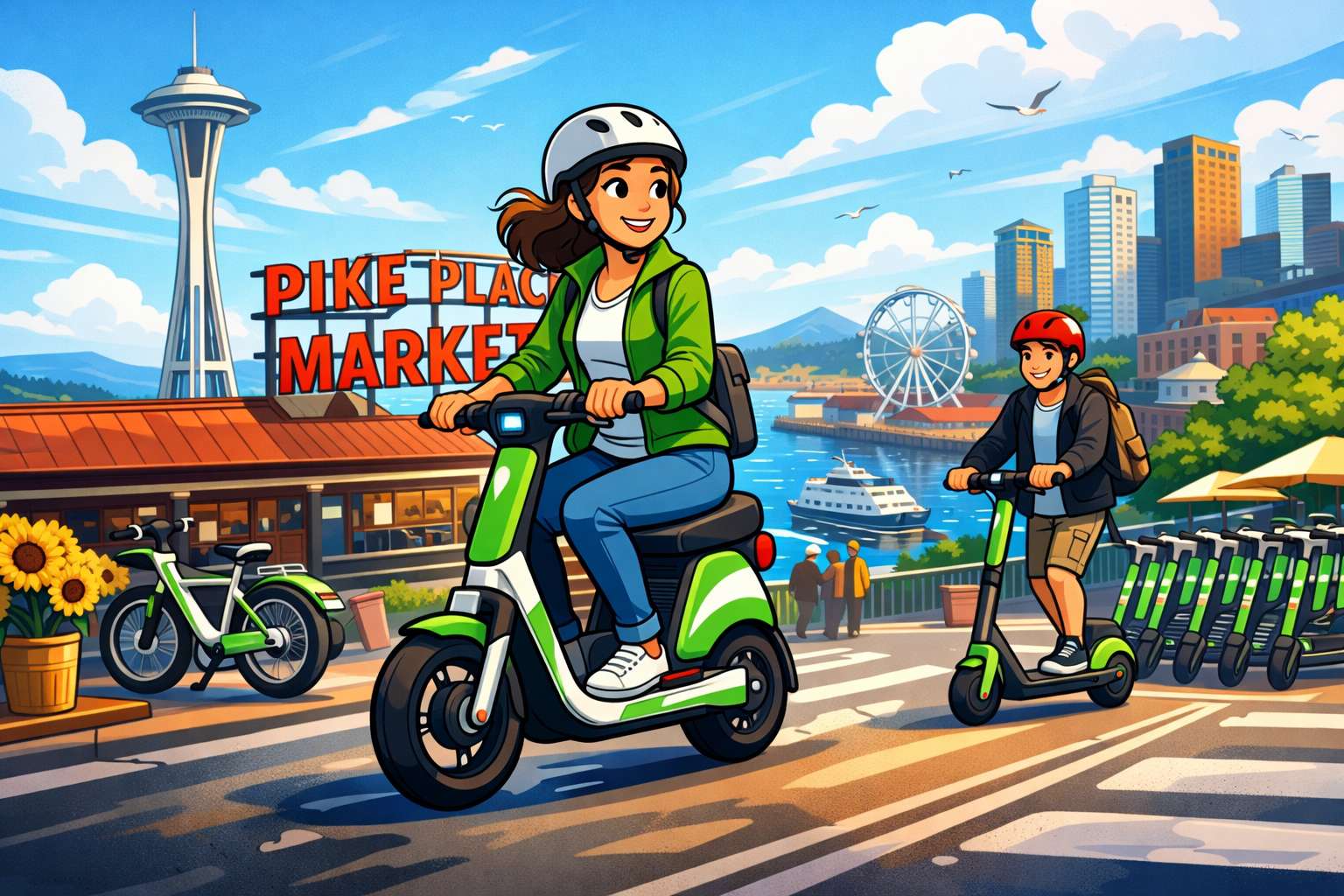
One detail stands out right away. Pike Place Market ranked as the top trip end location in North America for Lime in 2025. That tracks with daily foot traffic in the area, and it fits how many people move around downtown.
People ride in for coffee or lunch, and then they leave the device close by. Tourists do the same, so the market area stays busy from morning to late afternoon. Then the waterfront paths pull riders downhill, and the return trips spread out across Belltown and Pioneer Square.
LimeGlider Changed the Ride Mix in Seattle
The LimeGlider played a big role in 2025. Lime launched it in Seattle in May 2025, and Seattle became a key city for the rollout. The recap says riders logged more than 1.8 million LimeGlider trips since launch, so the device did not sit idle.
The LimeGlider looks and feels different from a stand-up scooter. It has a seat and a step-through frame, so many riders feel steadier right away. That matters on uneven pavement, and it matters on longer trips where standing feels tiring. It also changes who rides. People who skip stand-up scooters often try a seated option first, and then they ride again.
Summer Peaks Pushed the Numbers Higher
The calendar shows where the growth lived. August led the year with more than 1.3 million rides, and the busiest day landed on September 27 with just under 60,000 trips. Those numbers line up with Seattle’s long daylight stretch, and they line up with event season.
More rides in summer can be a win for traffic. A short scooter ride can replace a short car trip, so the street feels a little less jammed. Still, a higher ride count brings more pressure in the places people already crowd into.
Parking Pressure Increased. Corrals Became a Bigger Deal
More trips mean more parking decisions, and that is where tension shows up fast. Devices left across a sidewalk block strollers and wheelchairs, and they trip up people who cannot see them. Riders do not mean harm, yet bad parking still causes real problems.
Seattle has pushed for more designated parking, and city planning has pointed toward 200-plus bike and scooter corrals to guide devices into marked spaces. That kind of setup helps in the exact places that get hammered, like markets, transit hubs, and stadium corridors. It can feel strict, yet it keeps sidewalks open and predictable.
Safety Stayed in the Spotlight
Higher ridership raises exposure to crashes, close calls, and angry sidewalk moments. So the basics matter even more in a big year.
Ride in bike lanes when they exist, and slow down near crowds. Take the extra few seconds to park in a corral or a clear spot, and keep curb ramps open. A helmet helps, too, and it matters most on faster rides and downhill streets.
A Quick Side Note for Holiday Shoppers
Rising scooter use often leads families to ask about entry-level devices and gift buys. If you are shopping for a kid’s scooter this season, price swings can be real, so it helps to track deals from a reliable source. Here is a recent example on ScooterPick that covers one of those seasonal drops: Amazon slashes Maxshot kids electric scooter price for holiday gift shoppers.
What Seattle Watches Next
Seattle heads into 2026 with clear signals. Demand is strong, and riders respond fast when a new device fits more people. So the next chapter depends on simple, visible changes: more safe space to ride, more clear parking channels, and steady rules that people can follow without guessing.
If that work stays on track, Seattle can keep the convenience that riders love, and still protect sidewalks for everyone.