

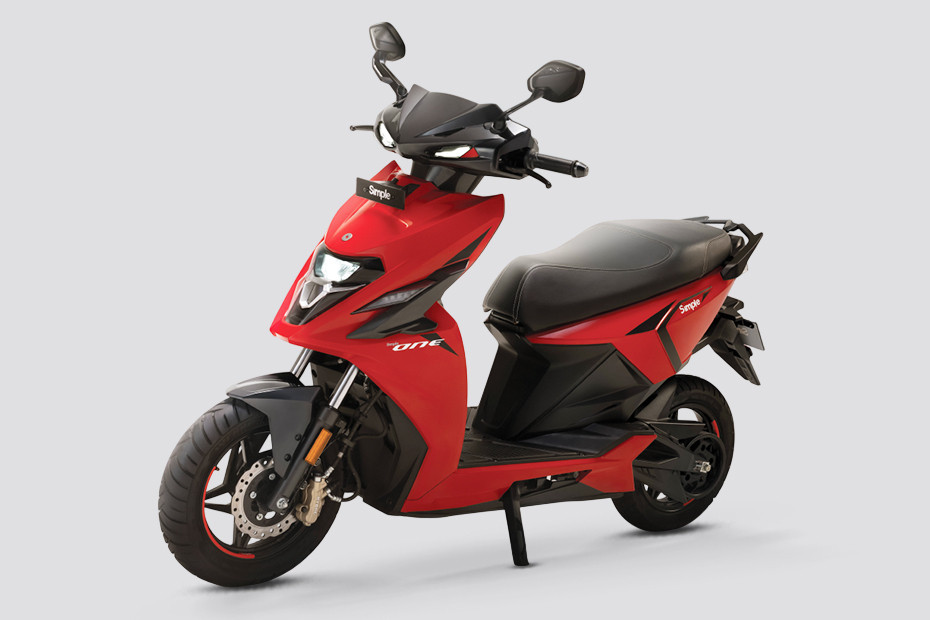
Simple Energy has launched the Simple Ultra in India at ₹2,34,999, ex-showroom. The scooter brings a 6.5 kWh battery, a claimed 400 km IDC range, a 115 km/h top speed, and 0 to 40 km/h in 2.77 seconds. Deliveries have started, and the launch puts the Ultra right at the sharp end of India’s premium electric scooter market.
That is the main reason this launch matters. The Ultra is not chasing the low-price crowd. It is aimed at riders who want one clear thing from an EV scooter. They want to ride farther and charge less. That idea has strong pull in India right now. Search interest around terms like Simple Ultra price, Simple Ultra range, long range electric scooter India, and 400 km electric scooter will stay high for that reason alone.
The Simple Ultra sells range first, but it does not stop there
The 400 km number gets the headlines. The rest of the spec sheet still matters. The Ultra packs a 6.5 kWh battery, which launch coverage describes as the biggest in the brand’s range. It reaches 115 km/h, and it hits 40 km/h in 2.77 seconds. So this is not a soft commuter that trades speed for battery size. It aims to give buyers both.
That mix gives the scooter broader appeal. Some riders want a city EV. Some want a machine that feels quick on flyovers, ring roads, and longer weekend runs. The Ultra tries to sit in both camps. That gives it a stronger case than a scooter that only wins on one headline number.
The 400 km range figure needs a calm reading
The claimed 400 km figure uses the IDC test cycle. That matters. It gives buyers a standard point of comparison across models. Real road numbers will sit lower. Traffic, speed, ride mode, weather, rider weight, and terrain all shape the final result. That is normal for any electric scooter.
Still, the claim is big enough to change the conversation. Even a clear drop from the IDC figure still leaves room for strong day to day range. For many buyers, that means fewer charging stops, less planning, and less range stress. That is the true value pitch here. It is simple, and it works.
Where the Ultra fits in the Simple Energy lineup
Simple Energy’s official site still puts the Simple One and Simple OneS at the center of its current range. The Simple One starts at ₹1,89,999. It claims up to 265 km of IDC range, a 115 km/h top speed, and 0 to 40 km/h in 2.55 seconds. The Simple OneS starts at ₹1,64,999, with up to 190 km of IDC range, a 90 km/h top speed, and 0 to 40 km/h in 3 seconds.
That makes the Ultra the clear range-led flagship. It sits ₹45,000 above the Simple One and ₹70,000 above the OneS. The price jump is not small. Still, the product logic is easy to read. Buyers pay more for the bigger battery and the giant range claim. The Ultra is not here to replace the OneS. It is here to stretch the brand upward.
Why this launch stands out in India’s electric scooter market
India already has strong names in the premium e-scooter space. Buyers often compare machines from Ather, Ola, TVS, and Bajaj. The Ultra does not try to beat every rival on every line item. It pushes a cleaner message. It says one charge goes much farther. That message is easy to understand, and easy to search for.
That angle gives the scooter a real opening. Many premium EVs feel close together once you strip away the launch noise. Similar screens. Similar smart features. Similar city-focused claims. The Ultra breaks that pattern with a much larger range promise. For riders with long daily routes, that point lands hard.
There is a broader brand angle too. Launch reports say the Ultra arrived as part of Simple Energy’s Gen 2 push. That gives the launch more weight. It does not look like a one-off publicity move. It looks like a step in a bigger product plan.
Ownership still matters more than launch-day hype
Specs sell the first click. Ownership sells the second scooter. That rule still holds here. Simple Energy’s official site says the company has 50+ stores, 250+ charging points, and presence across 110+ cities. The company pushes its Simple Connect app as part of the ownership package too.
Those numbers help. They do not answer every question. Buyers still need to look at service quality, parts support, charging speed, software stability, and real owner reports. Premium EV shoppers do not stop at the brochure. They look at month six, not just day one.
That is where the next part of the Ultra story will come from. Test rides matter. Early owner feedback matters. Real range reports matter. Service experience matters. The launch gives Simple Energy a strong headline. The road will decide the rest.
A useful side note for buyers tracking fresh scooter launches
Simple Energy is not the only brand drawing attention in this space. Xiaomi is back in the conversation too. For readers tracking fresh electric scooter news across brands, this quick look at the Xiaomi Electric Scooter 6 Ultra adds good context on where the wider market is heading.
Final verdict
The Simple Ultra enters India with a strong pitch and a premium price. ₹2,34,999 ex-showroom puts it in serious territory. The 6.5 kWh battery and claimed 400 km IDC range give it one of the boldest range claims in the segment. The 115 km/h top speed and quick acceleration stop it from feeling dull.
That combination gives the Ultra a real place in the market. It will appeal most to riders who cover long distances, hate frequent charging, and want stronger performance than a basic city scooter offers. Not every buyer needs that. Many will still find the Simple One or OneS easier to justify on price. Yet the Ultra does not need to fit every buyer. It only needs to own the long-range premium slot, and it has a real shot at doing that.