

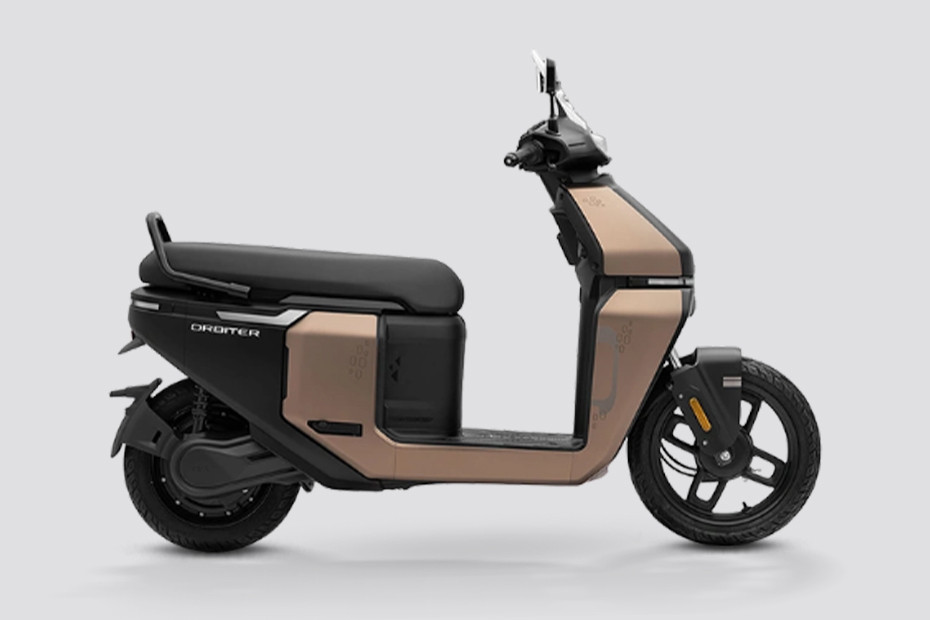
TVS Motor has added a new electric scooter to its lineup in India. The new TVS Orbiter V1 starts at ₹49,999 with Battery as a Service, also called BaaS. That price has quickly grabbed attention, and for good reason. It places the scooter in a very competitive part of the market.
Still, the low starting price needs context. This is not the full price of the scooter with the battery included in the usual way. Instead, TVS splits the cost. You pay a lower upfront amount, then a monthly battery subscription. That setup can help buyers who want to enter the EV space with less money at the start.
The Orbiter V1 looks aimed at city riders. It targets daily commuting, short errands, and regular urban travel. On paper, it brings a usable mix of range, speed, and features without pushing the upfront cost too high.
TVS Orbiter V1 price explained
The headline figure is ₹49,999, ex showroom Delhi, with BaaS. TVS has also listed a non BaaS price of ₹84,500, ex showroom Delhi. So the gap between the two prices is big, and that is what makes the battery subscription such an important part of this launch.
Buyers should not stop at the headline price. They should ask for the full on road breakup, the battery plan, insurance cost, and any loan details. That matters because the monthly battery fee changes the real cost of ownership over time.
TVS says the battery subscription plans start at ₹862 per month. The company also says customers can choose plans from 12 months up to 60 months. Another useful point is that TVS says there is no monthly kilometre cap under the BaaS setup. That will matter to riders who use their scooter every day and do not want usage limits hanging over them.
At the end of the chosen subscription term, TVS says the battery ownership transfers to the customer. That makes this model different from some plans that keep the battery permanently outside the buyer’s ownership.
Range, top speed, and charging time
The TVS Orbiter V1 uses a 1.8 kWh battery pack. TVS states an IDC certified range of 86 km. For many city riders, that should be enough for daily commuting and local trips, especially if they can charge at home.
TVS also claims a top speed of 68 km/h. That is an important number because it means the V1 is not just a slow neighborhood scooter. It should feel more usable in regular city traffic, where riders need enough pace to move with the flow.
Charging looks fairly practical too. TVS says the Orbiter V1 can charge from 0 to 80 percent in about 2 hours and 20 minutes. That is a decent figure for a scooter in this category. It also means riders can top it up between rides without waiting all day.
TVS says the scooter uses a 650W portable charger. The company also says it works with a normal 15A domestic socket. That keeps home charging simple, which is still one of the biggest everyday advantages of electric scooters.
Features that add real value
One good thing about the Orbiter V1 is that TVS has not treated it like a stripped down budget model. The scooter still gets a useful set of features for daily use.
TVS says it comes with a front LED headlamp with visor and a colored LCD display. The display supports incoming call alerts, which many riders now expect even in more affordable scooters. The company also includes connected features through its SmartXonnect system. These features include turn by turn navigation and call or message alerts.
That may not sound dramatic, but it does improve daily convenience. Riders often want quick navigation, simple ride data, and phone connectivity without paying for a premium scooter.
Practicality also looks strong. TVS lists a 34 litre underseat boot. That is a useful amount of space for daily items and, in some cases, a helmet. The scooter also gets an 845 mm seat and a 290 mm straight line footboard. Those details matter more than flashy marketing lines because they affect comfort every day.
TVS also says the Orbiter V1 includes cruise control, hill hold assist, reverse parking assist, a USB charging port, an easy access box, and Eco and City ride modes. Reverse assist is especially handy in tight parking spots. Hill hold can help on slopes. USB charging is a simple feature, but many riders will use it often.
Safety and comfort details
TVS has also put focus on comfort and safety. The company says the Orbiter range uses a 14 inch front alloy wheel and an upright handlebar. That should help with rider confidence and everyday control.
The scooter also brings connected safety alerts. TVS says these include anti theft alerts, geofence alerts, tow alerts, and crash or fall alerts. The company adds that the scooter can send an instant SMS with the rider’s location to loved ones after a crash or fall. For some families, that feature alone will stand out.
TVS also says the scooter has passed more than 600 safety tests. In addition, the company claims the scooter can handle stagnant water up to 150 mm. It also says key parts below the floorboard are IP67 rated. Those points matter in India, where riders often deal with rain, puddles, and rough road conditions.
Who should consider the Orbiter V1
The Orbiter V1 seems best suited for riders who want a mainstream electric scooter from a known brand, but do not want to spend heavily at the start. It also fits buyers who mainly ride in the city and can charge at home.
This scooter may appeal to students, office commuters, and small families who need a practical runabout. The 86 km IDC range will not suit every use case, but it should work for many short to medium city routes.
Riders who need more range may look higher in the lineup. TVS has positioned the Orbiter V2 above the V1, and that model gets a larger 3.1 kWh battery and a claimed IDC range of 158 km. So the V1 is clearly the more budget focused choice, while the V2 targets buyers who want fewer charging stops.
What buyers should check before booking
The Orbiter V1 does look promising, but smart buyers should still ask a few direct questions before booking. They should confirm the exact monthly battery fee for their chosen plan. They should also ask about warranty coverage, service support, and the final on road cost in their city.
Battery plans can look attractive at first glance, but the long term value depends on usage and financing. That is why the full ownership math matters more than the launch headline alone.
Buyers should also think about charging habits and battery care. Good charging habits can help any electric scooter over time. Riders who want practical battery tips can also check this guide on how to store your electric scooter long term without killing the battery.
Final thoughts
The TVS Orbiter V1 gives TVS a stronger entry point in the affordable electric scooter market. Its biggest strength is clear. It lowers the initial cost of entry in a way that many buyers will notice right away.
The scooter also brings enough substance beyond the price. The claimed 86 km range looks usable for city riding. The 68 km/h top speed should feel practical in urban traffic. The feature list covers many real daily needs, and the charging setup stays simple.
At the same time, the ₹49,999 figure tells only part of the story. Buyers need to understand the BaaS model before they decide. Once they do, the Orbiter V1 could make a lot of sense for riders who want a branded EV with a lower upfront cost.
This launch matters because price still shapes most buying decisions in India’s electric two wheeler market. TVS knows that, and the Orbiter V1 looks like a direct answer to that reality.