

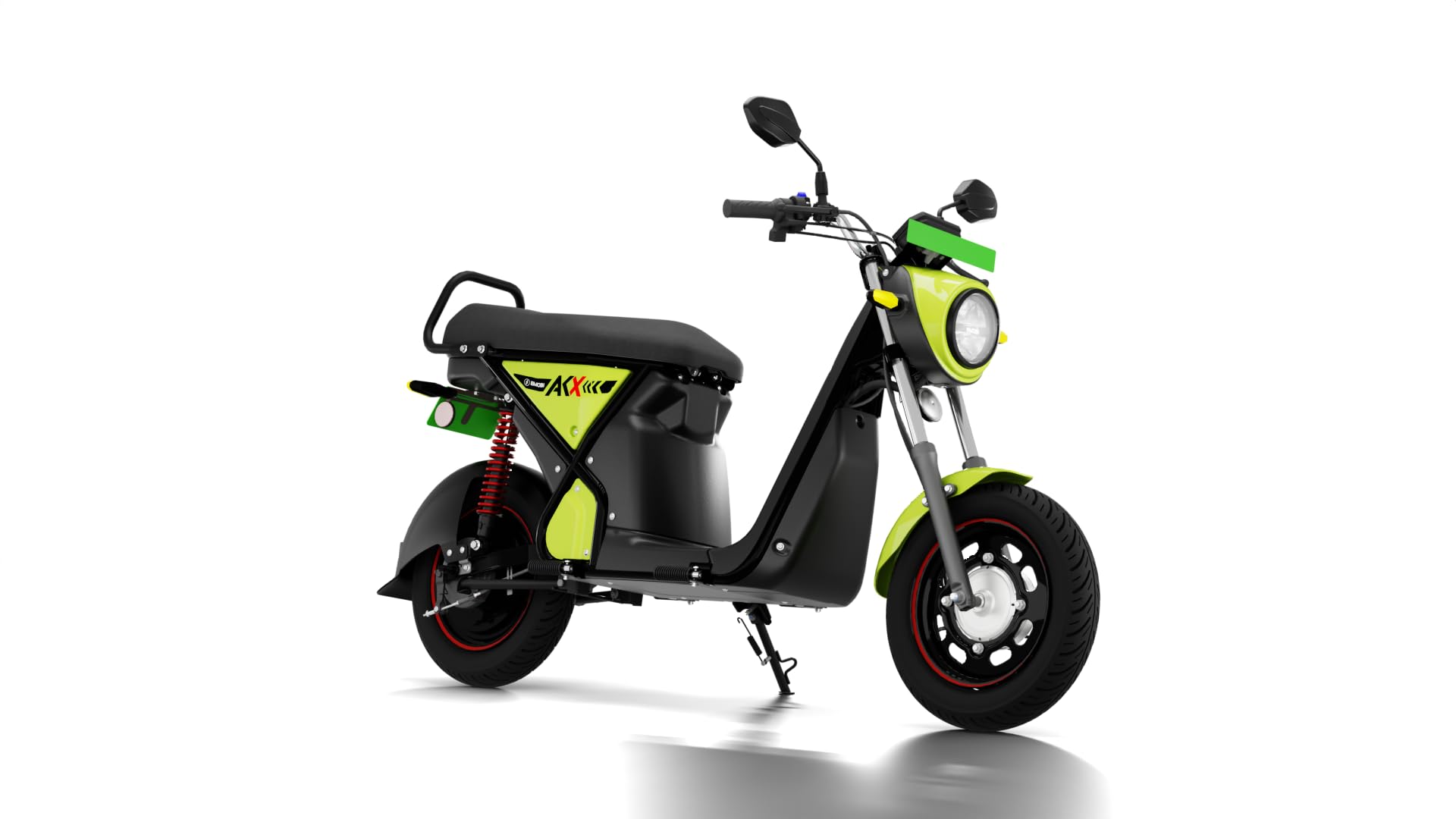
Emobi AKX gets a stronger powertrain story
Emobi’s upcoming AKX electric scooter is getting fresh attention after Japan-based Musashi confirmed that its e-Axle technology will power the new model. The move gives the AKX a stronger technical angle in a market where buyers now look beyond basic range claims and low running costs.
That sounds small at first, but it matters. A good electric scooter needs more than a battery and a motor. It needs smooth pull from a stop, steady torque in traffic, quiet operation, and a drive system that feels natural during daily use. So, Musashi’s role could help Emobi shape the AKX into a more useful city scooter, not just another electric two-wheeler on a spec sheet.
The AKX sits in Emobi’s practical scooter range. It targets city riders, commuters, delivery workers, and utility users who need a scooter that can handle short trips, regular stops, and load-carrying tasks. For that kind of use, smooth power delivery can matter more than headline speed.
Why Musashi’s e-Axle matters for everyday riders
Musashi’s e-Axle is designed to improve the way an electric two-wheeler moves from a standstill. For riders, that means better response when the light turns green, smoother low-speed movement, and a stronger feel under load.
For example, a delivery rider rarely cruises at one steady speed all day. The scooter stops, starts, turns, slows down, and pulls away again. Then it repeats the same pattern for hours. A weak or jerky drivetrain makes that routine tiring. A smoother e-Axle can make the scooter feel more controlled.
There is another point here. Many scooter buyers still compare electric models with petrol scooters. They want the quiet ride of an EV, but they do not want a weak launch or slow pickup in traffic. So, a better drive unit helps close that gap.
Musashi says the e-Axle uses a reduction gear system that supports quiet running and stronger acceleration. That gives the AKX a useful benefit for city riding, where low-speed control and quick response often matter more than high top speed.
AKX is built around practical use
The Emobi AKX is not being pitched as a flashy performance scooter. It looks more like a practical electric scooter built for daily commuting, delivery routes, and work use. That direction makes sense for India’s electric two-wheeler market.
India has many riders who need a scooter for real tasks. Some travel to work. Some deliver food or parcels. Some run small business errands. In each case, the scooter needs to be dependable, easy to ride, and affordable to operate.
That is where the AKX could find its place. It gives Emobi a model that speaks to people who care about daily value. Range matters, but so does ride feel. Charging matters, but so does how the scooter pulls with weight on it. Price matters, but so does the cost of keeping the scooter on the road.
For readers following electric scooter design trends, this shift feels close to what is happening in broader EV development. Brands are trying to make scooters lighter, smarter, and more natural to ride. That same idea appears in concepts like Ather Redux and the Flax Shift, where the focus moves toward flexible design and a more rider-friendly electric platform.
What this means for India’s electric scooter market
India’s EV market is moving fast, and electric two-wheelers are leading much of that change. Buyers are no longer impressed by range numbers alone. They now ask better questions. How does the scooter ride? How does it handle load? How smooth is the throttle? How easy is service? Can it survive daily use?
For this reason, component quality is becoming more important. The motor, controller, gearbox, battery system, brakes, and frame all shape the real ownership experience. So, a trusted drivetrain partner can help a scooter brand stand out.
Musashi already has a long background in automotive components. Its move into electric two-wheeler drive systems fits the growing demand for more refined EV parts. For Emobi, that means the AKX can carry a more serious engineering story.
Still, the real test will happen on the road. Riders will judge the AKX by how it performs after weeks and months of use. Smooth acceleration on paper is useful, but daily traffic, rough roads, rider weight, battery health, and service quality will decide the final opinion.
Delivery riders could benefit most
The AKX Musashi setup could appeal strongly to delivery riders and fleet operators. This group cares less about style and more about uptime. A scooter that starts smoothly, pulls well, and runs quietly can reduce fatigue during long shifts.
For example, better low-end torque helps when a rider carries a delivery box, climbs a ramp, or moves through packed city traffic. Then, smoother control helps at low speed near shops, parking areas, and apartment entrances.
Fleet buyers look at these details closely. They need scooters that can work every day with fewer complaints from riders. Plus, they want predictable running costs. A better drive system will not solve every ownership issue, but it can improve the part of the scooter riders feel every minute.
The same trend can be seen across Asia. Electric scooters are no longer small experiments. They are becoming serious transport tools. Vietnam offers one strong example, with VinFast reporting 406,453 e-scooters sold in Vietnam in 2025. That kind of volume shows how quickly electric two-wheelers can grow when pricing, infrastructure, local demand, and product trust line up.
AKX gives Emobi a clearer identity
The electric scooter market is crowded, so a brand needs more than another model name. It needs a clear reason for buyers to care. The Musashi e-Axle gives Emobi’s AKX that reason.
Instead of speaking only about range or cost, Emobi can talk about ride quality, torque, quieter operation, and practical use. That message fits riders who want an electric scooter that feels ready for daily life.
It could help Emobi in fleet conversations too. Business users often buy with a different mindset. They compare service support, part quality, running cost, rider comfort, and downtime. A better drivetrain can support that case, mainly if the AKX proves reliable in real use.
At the same time, Emobi still has work to do. The company needs clear pricing, strong after-sales support, easy spare parts access, and honest range communication. Riders have become more careful with EV claims, and trust now matters as much as promotion.
What buyers should watch next
Before the AKX Musashi becomes a clear recommendation, buyers should watch a few details.
Key points include:
- Final launch price
- Claimed range versus real-world range
- Battery warranty terms
- Charging or battery-swap options
- Service network coverage
- Payload rating
- Hill-climb performance
- Brake feel
- Long-term rider feedback
These details matter more than a single launch announcement. A good drivetrain gives the AKX a strong base, but the full scooter still needs to deliver as a complete package.
So, the Musashi e-Axle is a promising sign, not a final verdict. It gives Emobi a better technical foundation. Next, the market needs to see how the scooter performs in real Indian riding conditions.
Final thoughts
The Emobi AKX electric scooter looks like a practical step forward for India’s EV two-wheeler space. Musashi’s e-Axle gives it a stronger drivetrain story, with a focus on smooth starts, better torque, quiet movement, and useful city performance.
That makes the AKX more interesting for commuters, delivery riders, and fleet buyers. It does not need to be the fastest scooter to matter. It needs to feel dependable, easy to ride, and ready for daily work.
If Emobi pairs the AKX Musashi with fair pricing, good service, and honest range claims, it could become a solid option in India’s growing electric scooter market. The scooter’s biggest strength may not be one big headline feature. It may be the simple fact that it focuses on the things riders feel every day.