

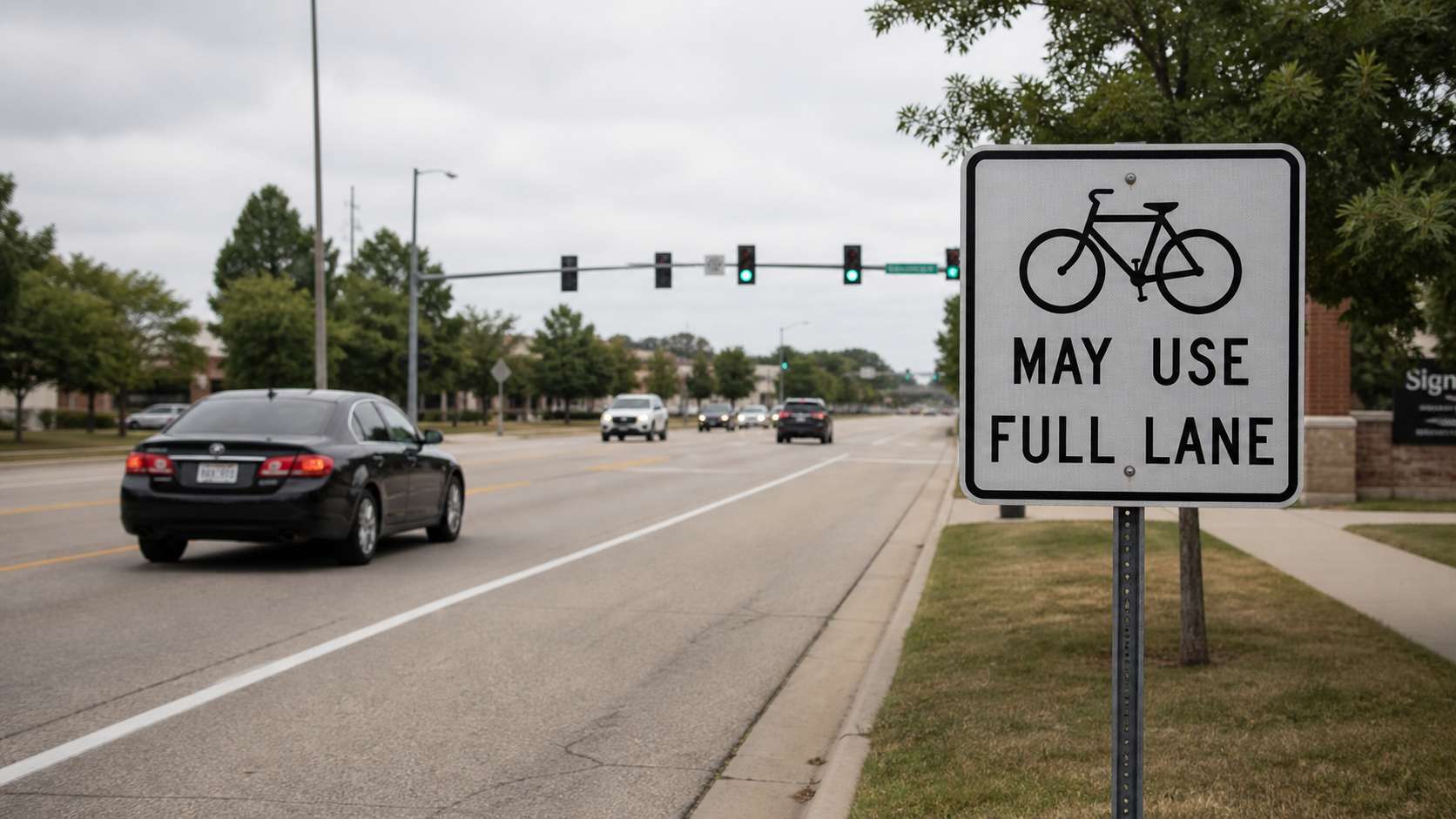
Waukee is looking at a much broader bike rule update
Waukee leaders are reviewing stricter rules for e-bikes, e-scooters, and other small personal transport devices. At first, that sounds like a simple e-bike safety update. The draft, though, reaches much further. It could affect regular bicycles too.
The proposed ordinance would rename the city’s current bicycle rules and place more devices under one shared set of rules. That group would include standard pedal bikes, low-speed electric bikes, electric scooters, skateboards, skates, and similar devices used on public streets, sidewalks, trails, bike lanes, and city property.
That wide wording matters. A rule aimed at fast e-bikes or reckless scooter riding could end up shaping where a child on a bicycle, a daily commuter, or a weekend road cyclist can legally ride.
Waukee is not alone here. Many cities now face the same problem. Electric bikes and scooters have become common, and some riders use them at speeds that feel too fast for sidewalks or shared trails. At the same time, cities need to protect normal bike access. That balance sits at the center of this debate.
The biggest concern is the street restriction
The most important part of the proposal is the street rule. Under the draft language, riders would not use a road or street where a sidewalk, trail, or bike lane exists next to that road. The proposal would also bar personal transportation devices from Waukee streets with speed limits over 25 mph.
That one change could affect a lot of riders. Many streets in growing suburbs connect homes, schools, shops, parks, and trail entrances. A cyclist may need to use a short stretch of road to reach a safer route. Under stricter rules, that simple trip could become harder.
For families, the change could affect how kids ride to school or to a nearby park. For adults, it could change errands, fitness rides, and short commutes. Road cyclists may notice it too, since some training routes pass through streets with higher speed limits.
The issue is not only e-bikes. Standard bicycles fall into the same broad category in the proposed language. That is why some riders are watching closely. A city can set better rules for fast electric devices, but the final wording needs to avoid punishing careful cyclists who already follow traffic laws.
Trails and sidewalks would get clearer speed rules
The draft does more than limit street riding. It also sets speed rules for sidewalks, trails, and bike lanes. The proposed cap is 20 mph where no other posted limit applies.
That number makes sense on paper for many e-bikes and scooters. In real use, though, 20 mph can still feel fast on a crowded trail. A rider passing a parent with a stroller, a walker with a dog, or a young child on a small bike needs to slow down. Speed alone does not decide safety. Space, visibility, surface condition, and nearby foot traffic matter too.
The proposal says riders must use care based on conditions. That includes weather, road grade, surface type, traffic, and nearby people. This part of the draft has a clear safety goal. It tells riders they cannot treat a shared trail like a private lane.
Sidewalk riding would still be allowed in some residential areas, but business districts and marked dismount zones would get more limits. Trails that meet width rules would stay open to many personal transport devices, unless signs or markings say otherwise.
Why Waukee is acting now
E-bikes, e-scooters, and electric motorcycle-style devices have created fresh safety questions across Iowa communities. Some devices look like bicycles but ride much faster. Others weigh more, accelerate harder, or use motors that place them outside normal low-speed e-bike rules.
That causes confusion for parents, riders, police, and pedestrians. A legal low-speed e-bike is not the same as a high-powered electric dirt bike. A lightweight scooter is not the same as a large motorized device. Yet people often group them together in everyday conversation.
Waukee’s proposal tries to draw clearer lines. It covers device types, speed, lighting, brakes, road use, trail use, and fines. That structure can help residents understand the rules faster. But broad wording can create new problems. If the city treats every small transport device the same way, it may reduce bike access more than intended.
Cities such as Wake Forest are facing similar questions as they review electric scooter bans, e-bike limits, and greenway speed caps. Readers who follow local micromobility policy can compare the Waukee debate with this related update on Wake Forest e-scooter and e-bike rule changes.
Iowa e-bike classes still matter
Iowa law separates low-speed electric bicycles into classes. Class 1 e-bikes assist only when the rider pedals and stop motor assistance at 20 mph. Class 2 e-bikes can use motor power without pedaling, but the assist limit is still 20 mph. Class 3 e-bikes assist through pedaling and stop assistance at 28 mph.
Those classes matter for buyers and riders. Many people shop online and see products labeled as e-bikes, but not every product fits cleanly inside legal e-bike limits. Some models exceed power limits or travel faster than allowed for low-speed e-bikes.
A local rule can help when it gives riders clear, practical guidance. For example, it can tell people where to ride, how fast to go on trails, and what equipment they need after dark. Still, the rule must stay clear enough for normal users to follow. A parent should not need a legal guide to know where a child can ride a bicycle.
What riders should watch next
The final wording matters more than the headline. Small changes can decide whether the ordinance mainly targets unsafe electric devices or limits all cyclists in the same way.
Waukee riders should watch three details. The first is the 25 mph street rule. The second is whether regular bicycles stay grouped with e-bikes and scooters under the same road restrictions. The third is how the city signs trails, sidewalks, dismount zones, and bike lanes.
Good signage will matter. Riders need clear rules at the point of use, not only in city code. A person approaching a trail, a school route, or a business district should know what is allowed before a conflict happens.
Education will matter too. Fines can punish bad riding, but signs, school outreach, and public reminders can prevent problems earlier. That matters most for young riders who use e-bikes and scooters near schools, parks, and neighborhood streets.
The real question for Waukee
Waukee has a fair safety concern. Fast electric devices can create real risks on sidewalks and shared trails. Pedestrians, children, older residents, and careful cyclists all deserve safe public space.
At the same time, bikes are part of local transportation. Many people ride for short trips, health, school, work, or recreation. A rule that makes safe bike travel harder can push more people back into cars, especially in areas where the road network already favors driving.
The best version of the ordinance would target unsafe behavior and high-risk devices without blocking careful cycling. It would keep trails safer, slow down fast riders near people, and separate high-powered motorized devices from legal bicycles. It would also protect practical bike access on routes where no good alternative exists.
For now, Waukee’s proposal deserves close attention from e-bike owners, parents, commuters, and regular cyclists. The city is trying to solve a real safety problem. The final rule needs to solve that problem without creating a new one for people who ride responsibly.