

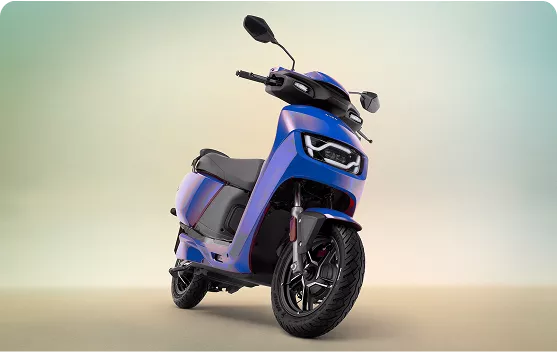
Hero Vida did not pitch the VX2 as a flashy electric scooter. It pitched it as a smart everyday scooter with EV tech built in. That idea shaped the whole launch. The company framed the VX2 for riders who want a normal scooter feel, a practical layout, and lower running costs. That is a strong move in a market where many buyers still want comfort, space, and simple daily use.
So what do we know so far, and what matters most for buyers? Quite a lot now. The official launch details gave us clear answers on price, battery size, claimed range, top speed, charging, and features. That makes the VX2 easier to judge than many teased scooters that arrive with vague promises and thin detail.
Hero Vida VX2 targets everyday city riders
The VX2 sits in a very clear spot in Hero’s EV lineup. The company built it for the family scooter crowd. That means the focus is not wild performance. The focus is daily travel, easy riding, and a layout that feels familiar from the first ride.
That matters. A lot of buyers want an electric scooter that feels easy on day one. They want a wide seat, simple controls, enough storage, and a battery setup that fits real life. The VX2 tries to answer that exact need.
Hero kept the design clean and friendly. It does not look like a science project. It looks like a scooter you can use for work, errands, school runs, and short evening trips. For many riders, that is the right call.
Official price puts the VX2 in the value zone
Hero launched the Vida VX2 in two main versions. The VX2 Go sits lower in the range, and the VX2 Plus sits above it. The launch pricing drew attention fast.
The VX2 Go launched at ₹59,490 with Battery as a Service. The VX2 Plus launched at ₹64,990 with the same plan. Buyers who want full upfront purchase pricing saw higher numbers. The VX2 Go came in at ₹99,490, and the VX2 Plus came in at ₹109,990.
That pricing structure gives buyers two clear paths. You can pay less at the start and use the battery plan. Or you can buy the scooter in the usual way and pay the full amount upfront. That flexibility gives the VX2 a better shot with first-time EV buyers.
Battery, range and speed are now clear
Battery size is one of the first things buyers search for, and Hero gave solid numbers at launch. The VX2 Go uses a 2.2 kWh battery. The VX2 Plus uses a 3.4 kWh battery.
Claimed IDC range is up to 92 km for the VX2 Go. The VX2 Plus goes up to 142 km on the IDC cycle. Those figures place a clear gap between the two trims. The Go suits shorter daily travel. The Plus gives riders more breathing room between charges.
Speed follows the same pattern. The VX2 Go reaches 70 km/h. The VX2 Plus goes up to 80 km/h. That extra pace will matter for riders who spend more time on faster city roads.
Hero also split the ride modes by trim. The VX2 Go gets Eco and Ride. The VX2 Plus adds Sports mode. So the Plus is not just the longer-range version. It gives a bit more flexibility on the road too.
Charging and removable batteries make the VX2 easier to live with
This is one of the strongest parts of the VX2 package. Hero gave the scooter removable batteries. That makes home charging much easier for many riders, especially those who live in apartments or park away from a charging point.
Hero said the VX2 supports three-way charging. The message was simple. You do not need a fancy setup for basic charging access. That kind of ease can make a real difference for people who are still unsure about moving to an EV.
The company also claimed charging to 80 percent in 60 minutes. That is a useful figure for riders who need a quick top-up during the day. It will not turn the VX2 into a long-distance machine, but it does make daily ownership less stressful.
Features are practical, not showy
Hero packed the VX2 with features that feel useful in day-to-day riding. The VX2 Plus gets a 4.3-inch TFT display. The VX2 Go gets a 4.3-inch LCD unit. Both versions support turn-by-turn navigation, connected features, and smartphone-based ride data.
The scooter also gets remote immobilization, cloud connectivity, and over-the-air software updates. Those are strong additions in this price band. They add value without pushing the scooter away from its simple daily role.
Hero gave the VX2 12-inch wheels too. That should help with ride confidence on mixed city roads. The long seat fits the family scooter brief well, and Hero said the VX2 Go offers 33.2 litres of under-seat storage. That is a solid number for everyday use.
Reverse mode and regenerative braking add more real-world value. Reverse mode helps in tight parking spots. Regenerative braking will not transform the scooter, but it fits the package nicely.
Battery as a Service is a big part of the story
Hero clearly wants buyers to look hard at its Battery as a Service model. That is not a side note. It is one of the main reasons the VX2 grabbed attention at launch.
The company said plans started at under ₹1 per kilometre. That pitch is easy to understand. Buyers pay less at the start, then pay for usage over time. For many people, that lowers the mental barrier that comes with EV pricing.
There is another detail that matters. Vida said buyers still own the full vehicle from the start, battery included, even under this plan. That will reassure people who do not like the feel of a loose rental structure tied to a key part of the scooter.
The lineup has already grown
The VX2 story did not stop at the first launch wave. Hero later widened the range with another 3.4 kWh version of the VX2 Go. That is useful news for buyers who liked the Go trim but wanted more range.
If you want a quick look at that update, this piece on the Hero Vida VX2 Go 3.4 kWh sums up why the newer version matters. It shows that Hero is still shaping the VX2 range, not leaving it frozen after launch day.
That extra version makes the lineup more appealing. Some buyers want the simpler trim, yet they do not want the lower range. This update gives them another option.
Why the VX2 matters in the Indian EV market
The VX2 is not trying to win with headline-grabbing speed. It is trying to win with trust, ease, and useful daily value. That gives it a strong place in the Indian market.
Hero already has brand reach, dealer strength, and name recall. Add a scooter that feels familiar, and the pitch gets stronger. Many riders do not want a dramatic shift. They want a scooter that slides into normal life with less friction.
That is where the VX2 has a real shot. It feels built for routine use. It gives buyers options on how to pay. It offers removable batteries. It has enough tech to feel current, and enough practicality to feel safe.
Final take
The Hero Vida VX2 looks like a well-judged electric scooter for everyday riders. The pricing is aggressive. The feature list is useful. The removable battery setup adds real value. The Plus trim looks like the better fit for riders who want more range and more pace. The Go trim makes sense for shorter city use and a lower entry price.
Hero did not overcomplicate this scooter. That may be the smartest part of the whole launch. The VX2 feels easy to understand, easy to compare, and easy to picture in daily life. For a lot of buyers, that is exactly what an electric scooter should be.